Articles
EN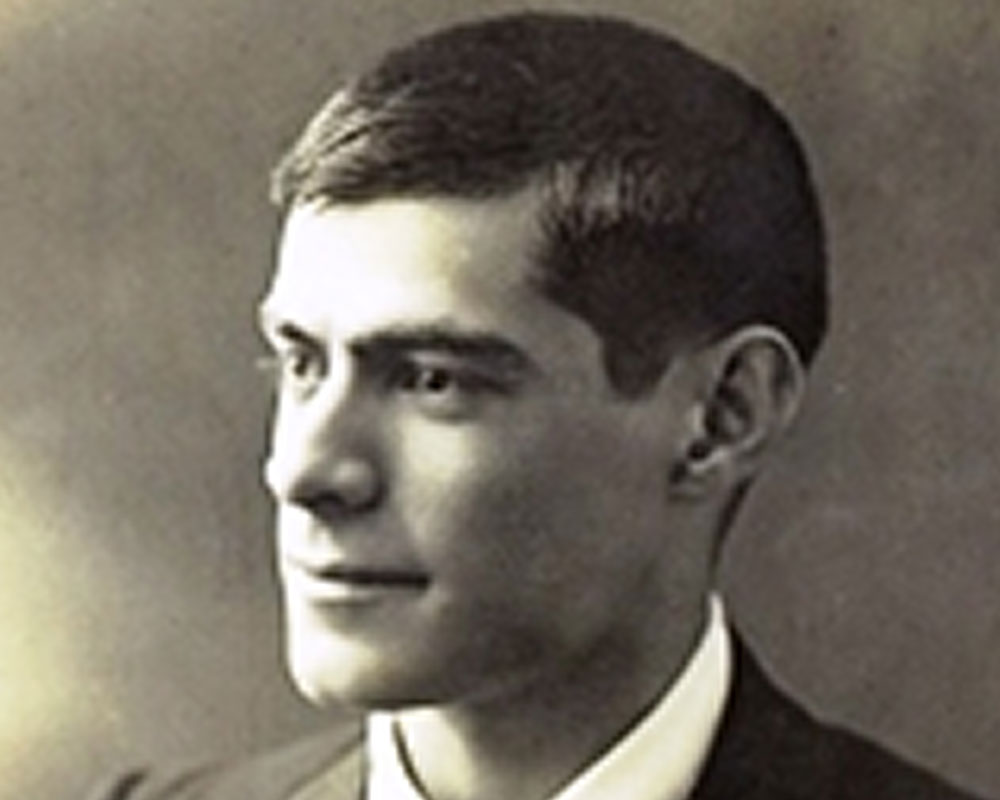
Teixeira de Pascoaes: The Mystic of Serra do Marão
<p>There is a place in Portugal where a man became a living legend. In the family manor house in São João de Gatão, near Amarante, a poet-philosopher spent decades in …
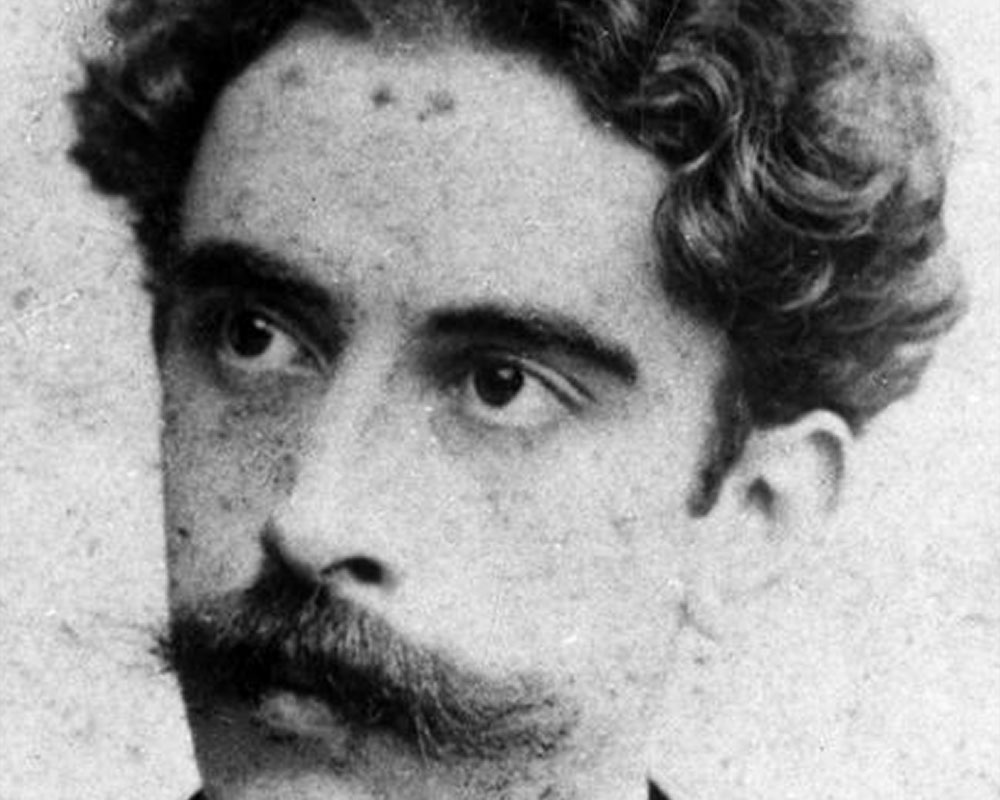
Júlio Dantas: The Man Who Divided Portuguese Literature
<p>Few Portuguese writers provoked such extreme reactions as Júlio Dantas. Adored by the public, translated into dozens of languages, occupant of the country's highest cultural positions – and simultaneously the …
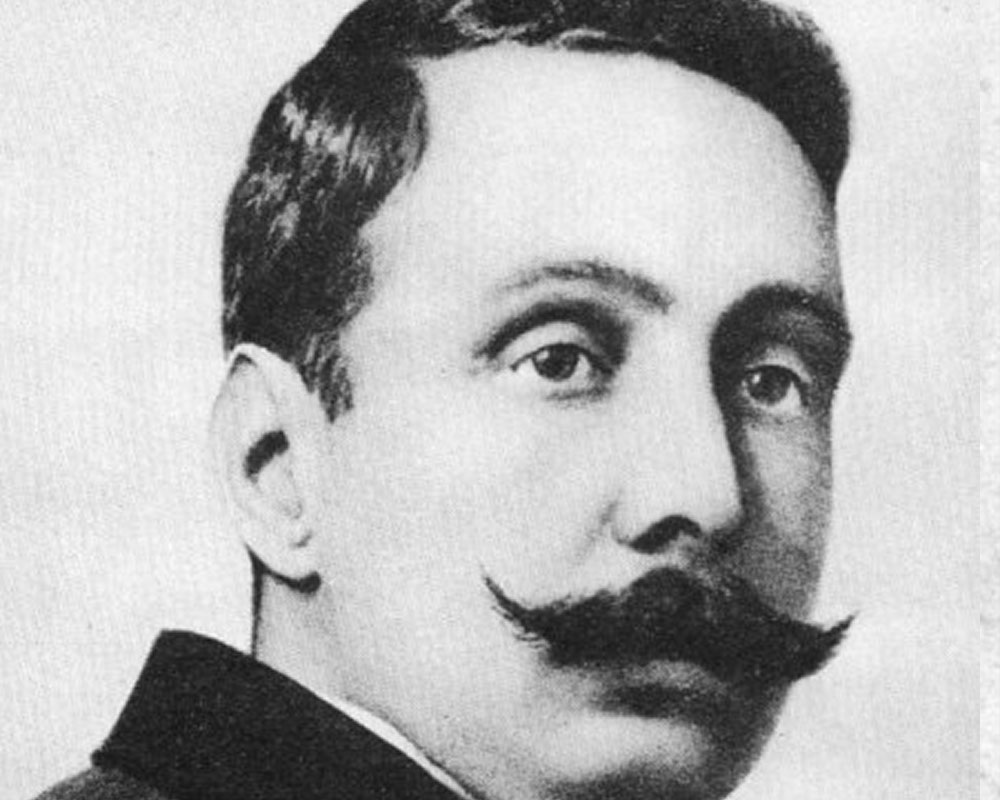
Raul Brandão: The Visionary of Foz
<p>On the modest Rua da Bela Vista, next to the Atlantic that bathes Foz do Douro, a boy was born on March 12, 1867 who would become one of the …
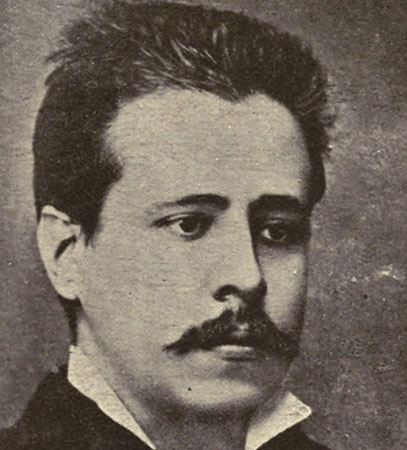
Fialho de Almeida: An Uncomfortable Voice
<p>The year 1857 saw the birth, in Vila de Frades, of one of the most uncomfortable and talented voices of the transition between Monarchy and Republic.</p>

Camilo: Writing on the Edge
<p>In São Miguel de Seide, after the visit of ophthalmologist Edmundo Machado who confirmed his irreversible blindness, Camilo Ferreira Botelho Castelo Branco fired a shot at his own forehead. He …
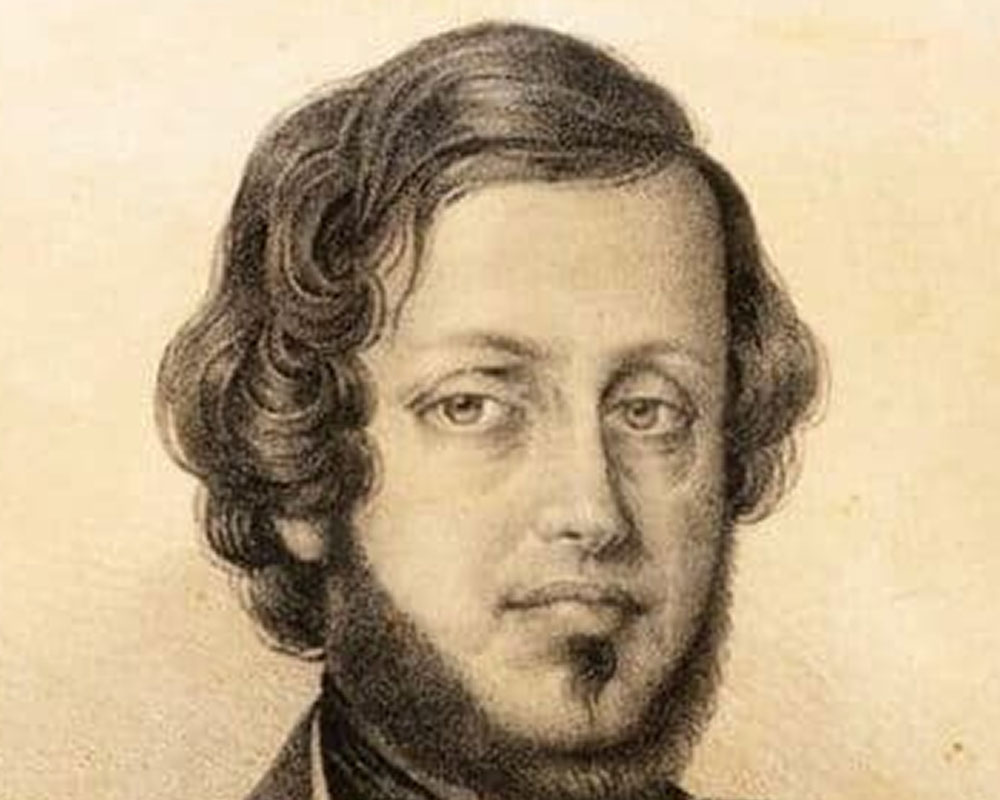
Almeida Garrett: The Man Who Reinvented Portugal
<p>When João Baptista da Silva Leitão de Almeida Garrett expired in Lisbon on December 9, 1854, at fifty-five years of age, Portugal lost its most complete nineteenth-century artist – poet, …
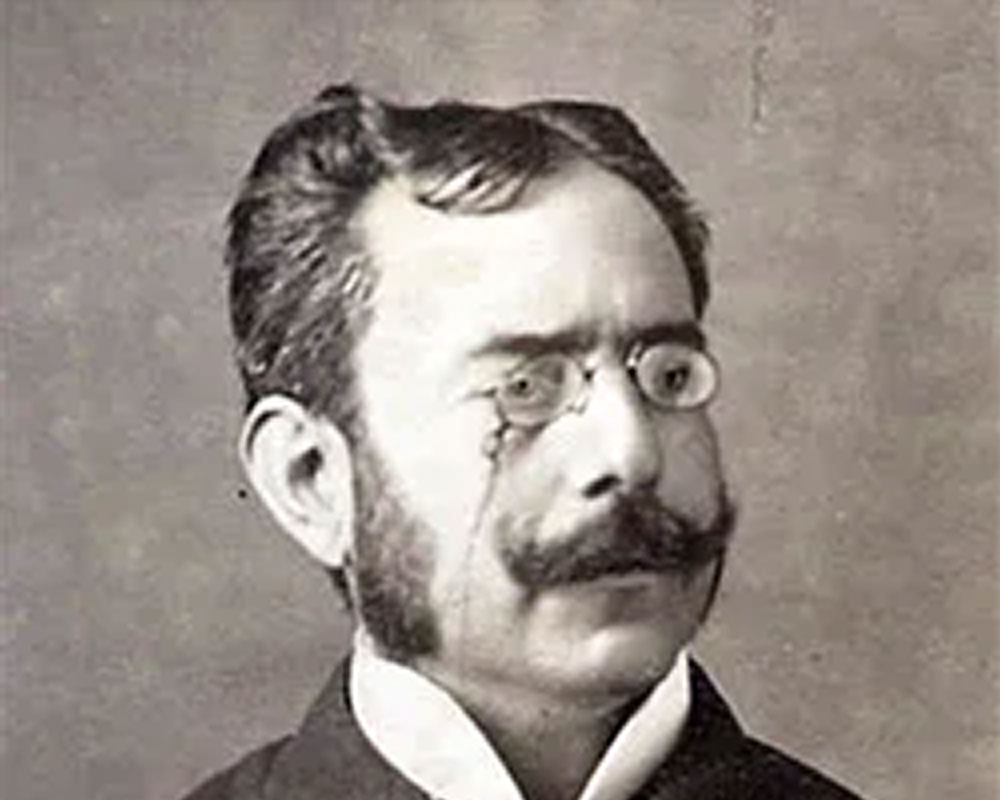
Ramalho Ortigão: A Life Between Letters and Travel
<p>When José Duarte Ramalho Ortigão died in 1915, at the age of 79, the journey of one of the most multifaceted figures of nineteenth-century Portuguese culture came to an end.</p>
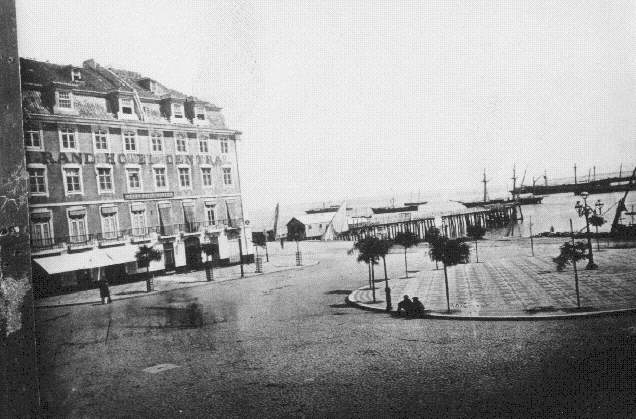
Cais do Sodré
<p>When Ramalho Ortigão invites the reader to take what he calls <i>o mais belo dos passeios permitidos ao habitante de Lisboa</i>, (the most beautiful of the walks permitted to the …
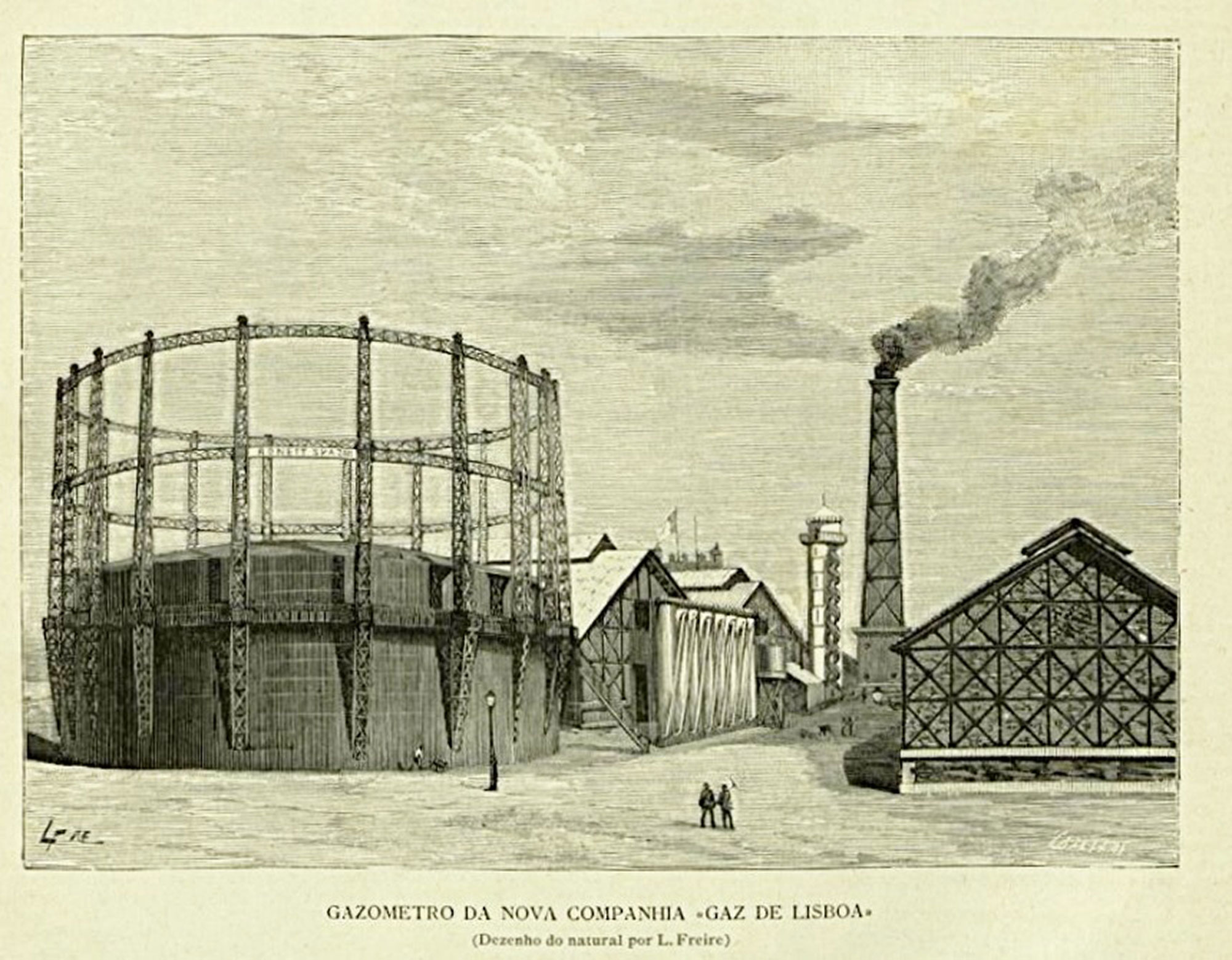
Aterro
<p>When the steamer departs from Cais do Sodré towards Cascais, the northern bank of the Tagus reveals to the nineteenth-century traveller a landscape in transformation.</p>
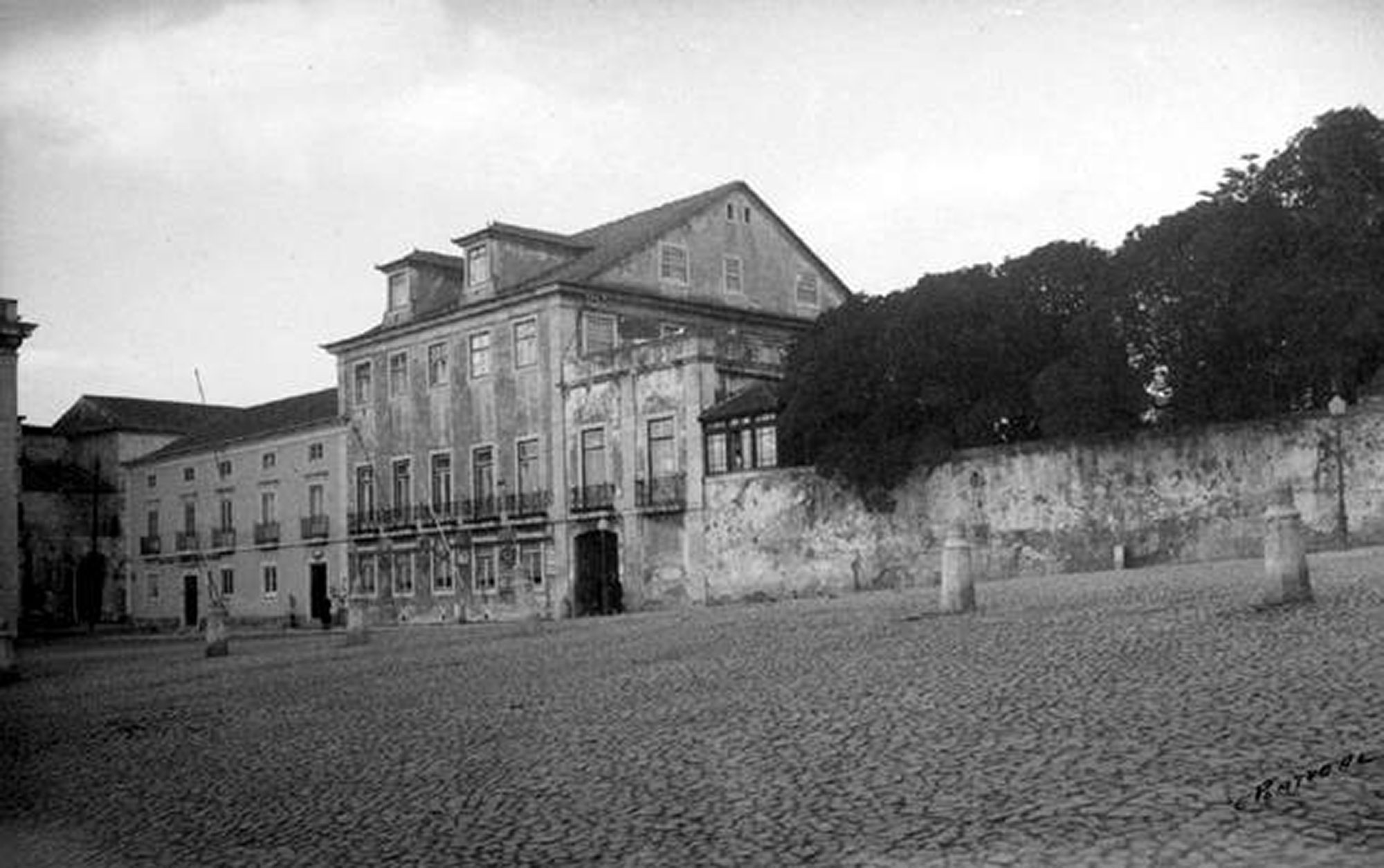
Largo dos Jerónimos
<p>When Ramalho Ortigão writes about the Jerónimos at the end of the nineteenth century, the monument faces a crucial question: what destination to give to the building annexed to the …
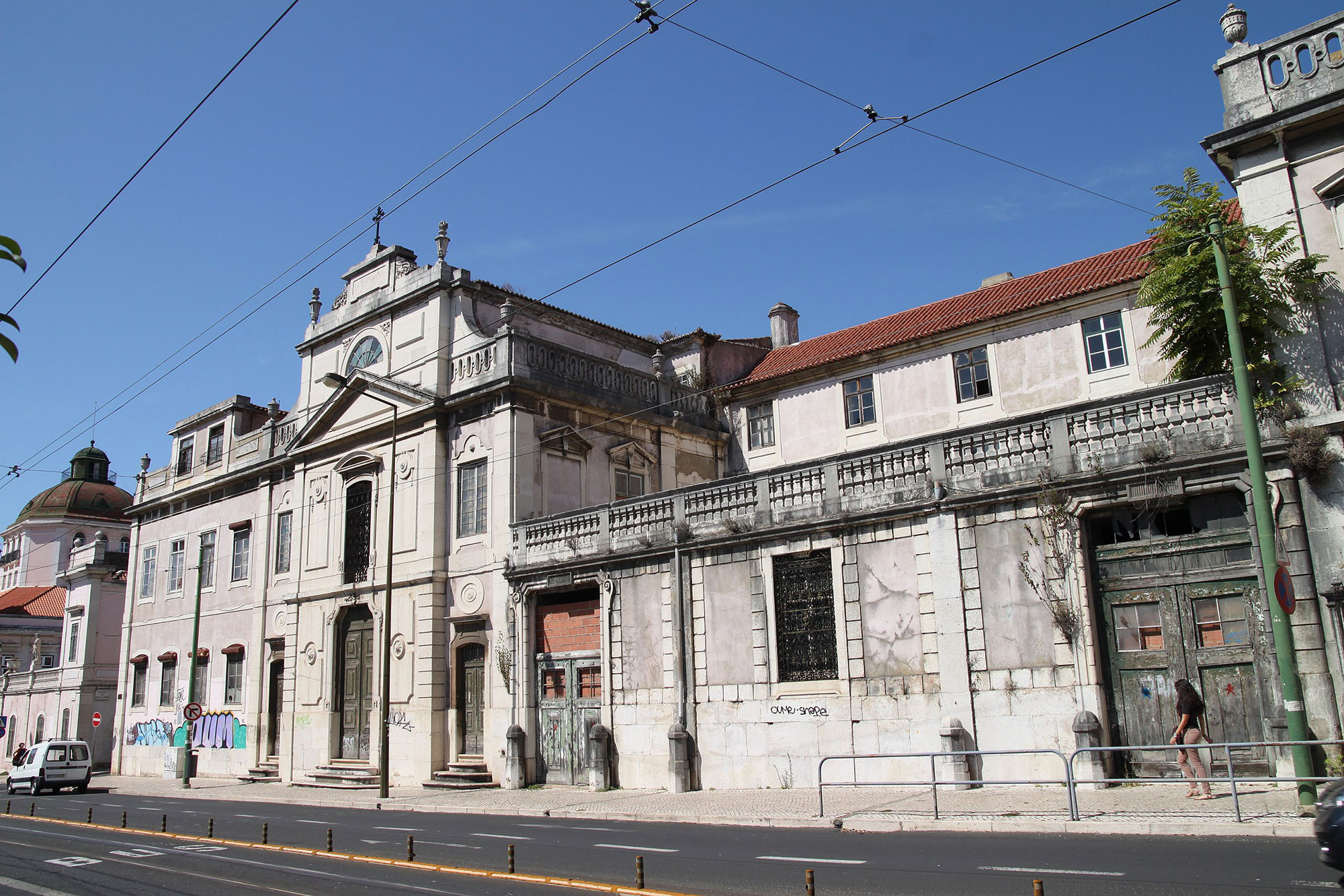
Junqueira
<p>From the deck of the steamer sailing towards Cascais, the nineteenth-century passenger glimpses the majestic line of the northern bank of the Tagus. To the left appear the palaces of …
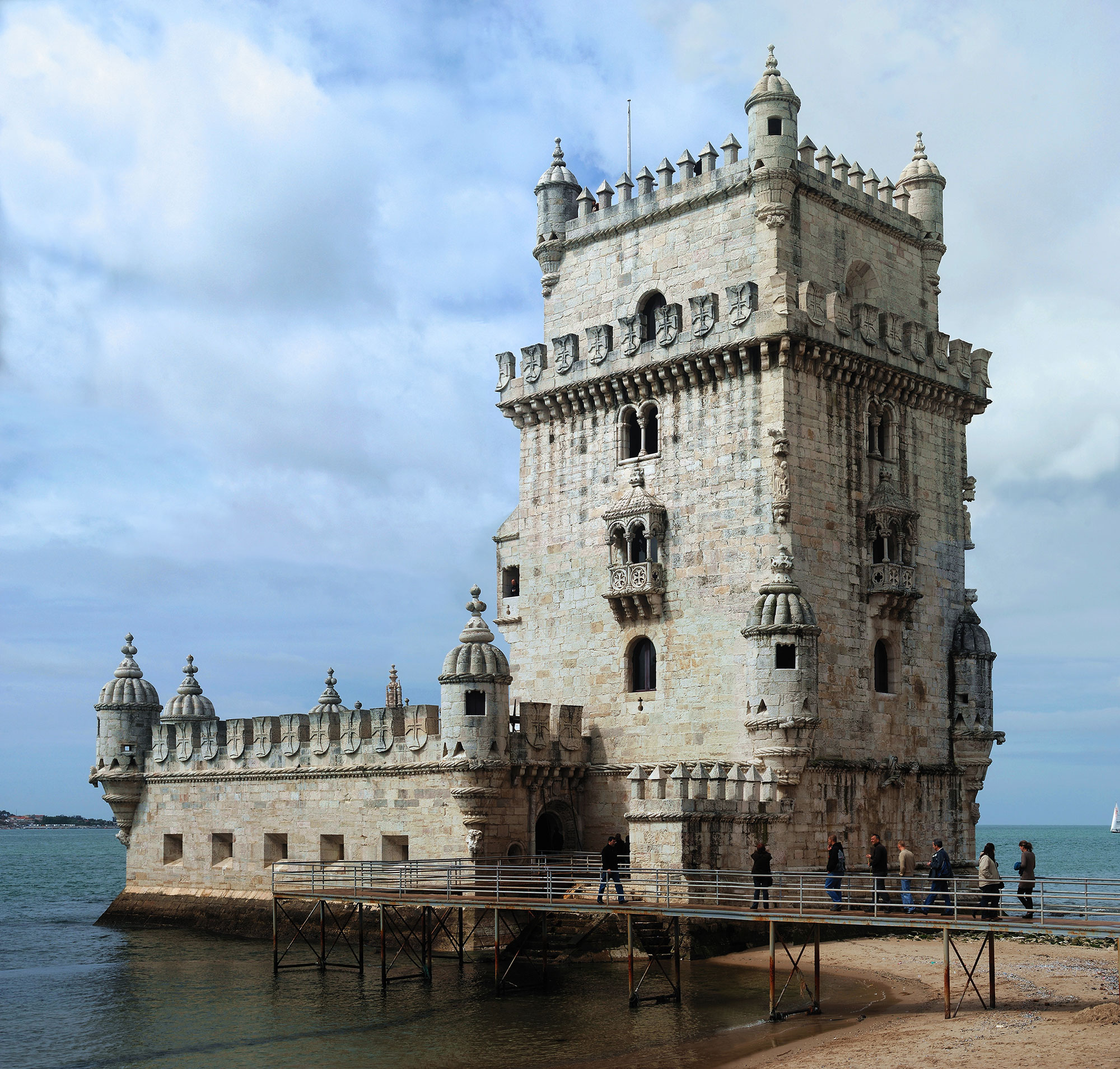
Belém
In Ramalho Ortigão's time, Belém lived a double identity: bathing beach and suburban extension of Lisbon, separated from the capital only by a <i>breve solução de continuidade</i>(brief solution of continuity) …