Article
Article
Cloisters of Celas Convent
When Ramalho Ortigão visited the Convent of Celas in the late 19th century, the small Cistercian monastery founded by D. Sancha, daughter of King Sancho I, faced an unprecedented threat: the government intended to sell it at public auction for the derisory sum of one thousand réis.
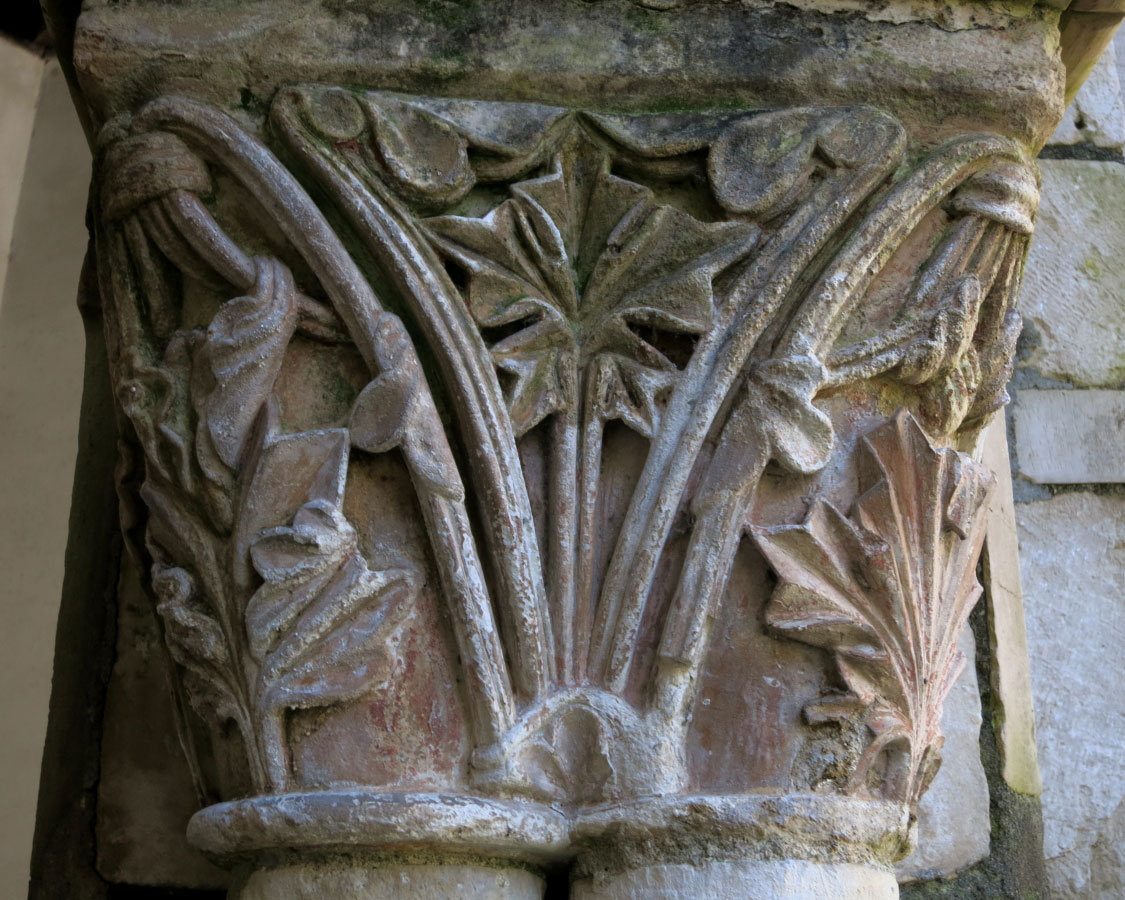
More seriously still, it proposed sawing off the historiated capitals from the columns to house them in a museum, as if it were possible to amputate the soul from a body and expect both to survive. An anonymous voice protested through a pamphlet printed in Coimbra, but very few periodicals heeded the alarm. The cloister, already then "hideously out of plumb in the perpendicularity of its columns," awaited only the slightest of pretexts to collapse entirely.
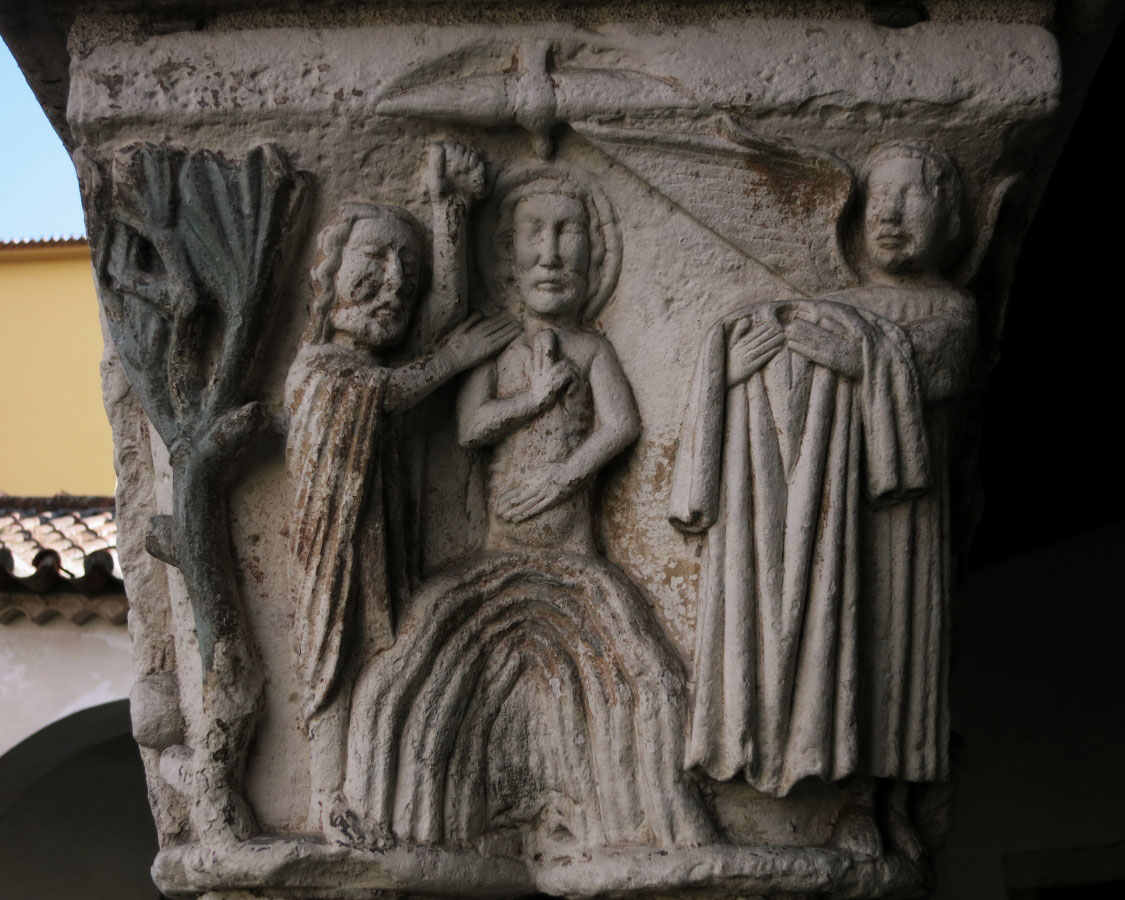
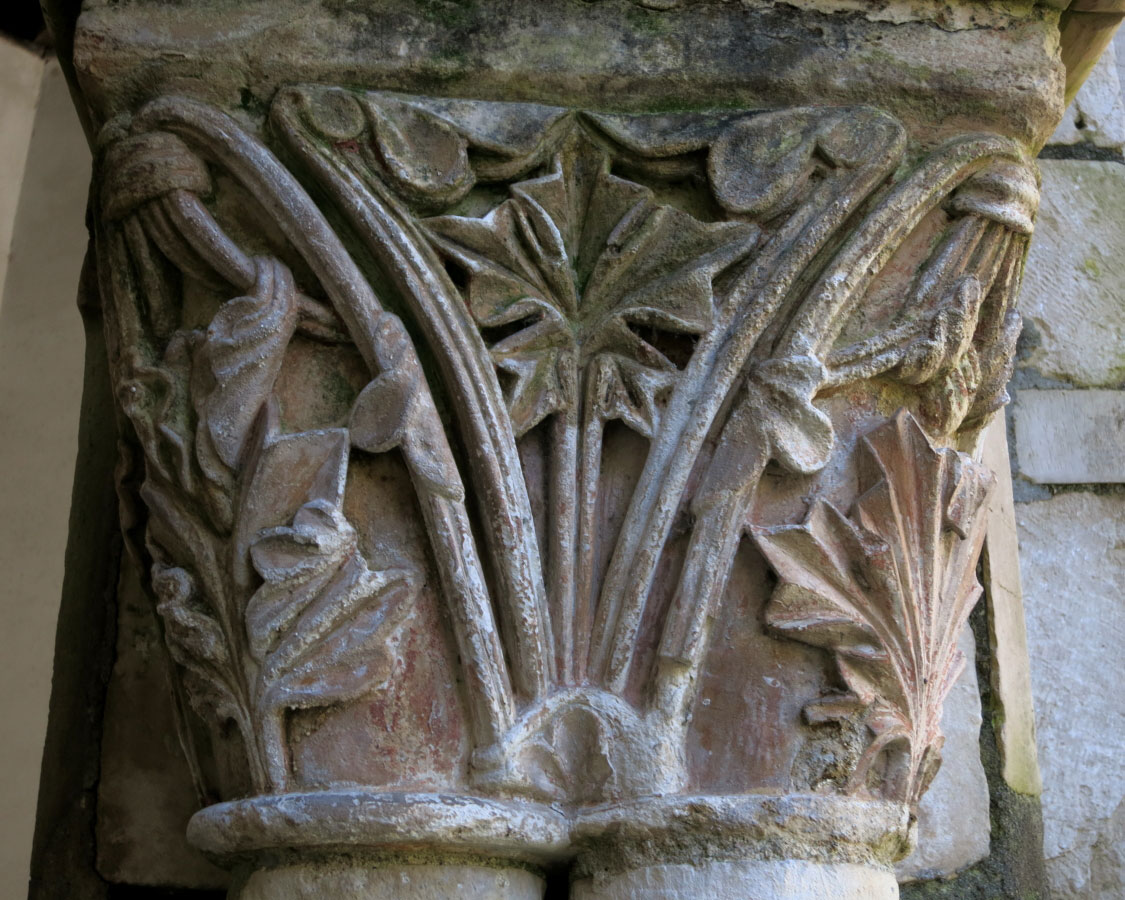
The description Ramalho left us constitutes one of the most moving pages of "The Cult of Art in Portugal." The writer captured with rare sensitivity that moment of transition from Romanesque to Gothic, visible in the cubic capitals that narrate in delightful small figures the episodes of Christ's and the Virgin's life – the Annunciation, Our Lady's Dream, the Adoration of the Magi, the Flight into Egypt. He observed that, for the first time in representations of this period, Christ appears flagellated by the crown of thorns and with his feet superimposed, fixed by a single nail. But it is above all the harmony of the whole that fascinates him: the "snug" dimension of the enclosure, molded to the light step of the nuns; the stylobate lined with period tiles, checkered in green and white; the small height of the shafts, proportioned to the stature of a novice who could "from the ground caress the images on the capitals with a lily flower." Ramalho compares the cloister to a murmuring fountain that does not sing in the sun in porphyry bowls suspended by naiads, but breaks from living rock, "snow-pure and pristine, hidden among crags," like the springs of the Portuguese mountains "garlanded with violets in bloom."
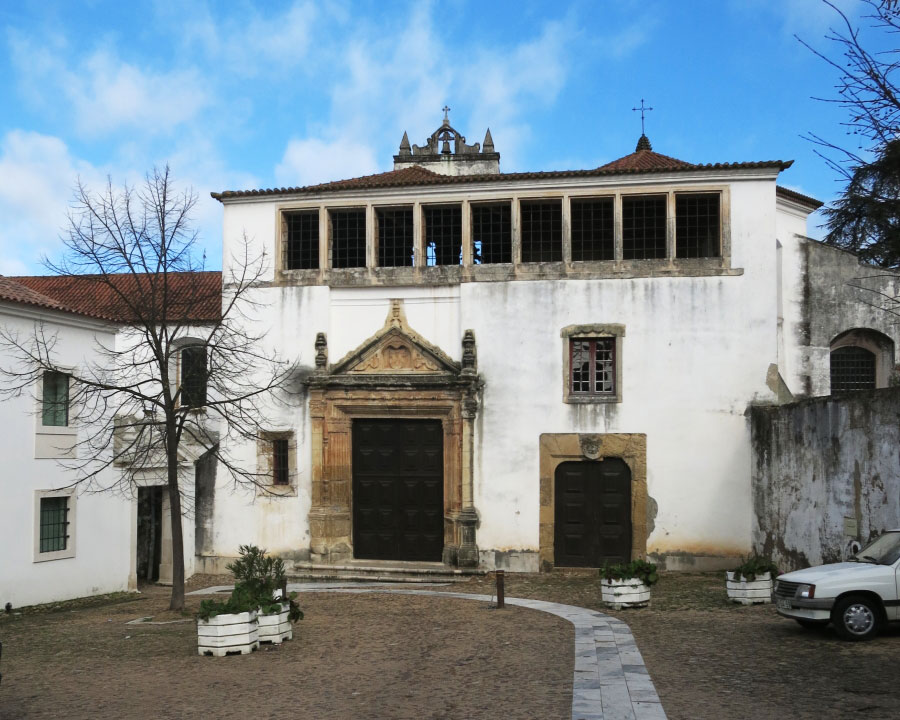
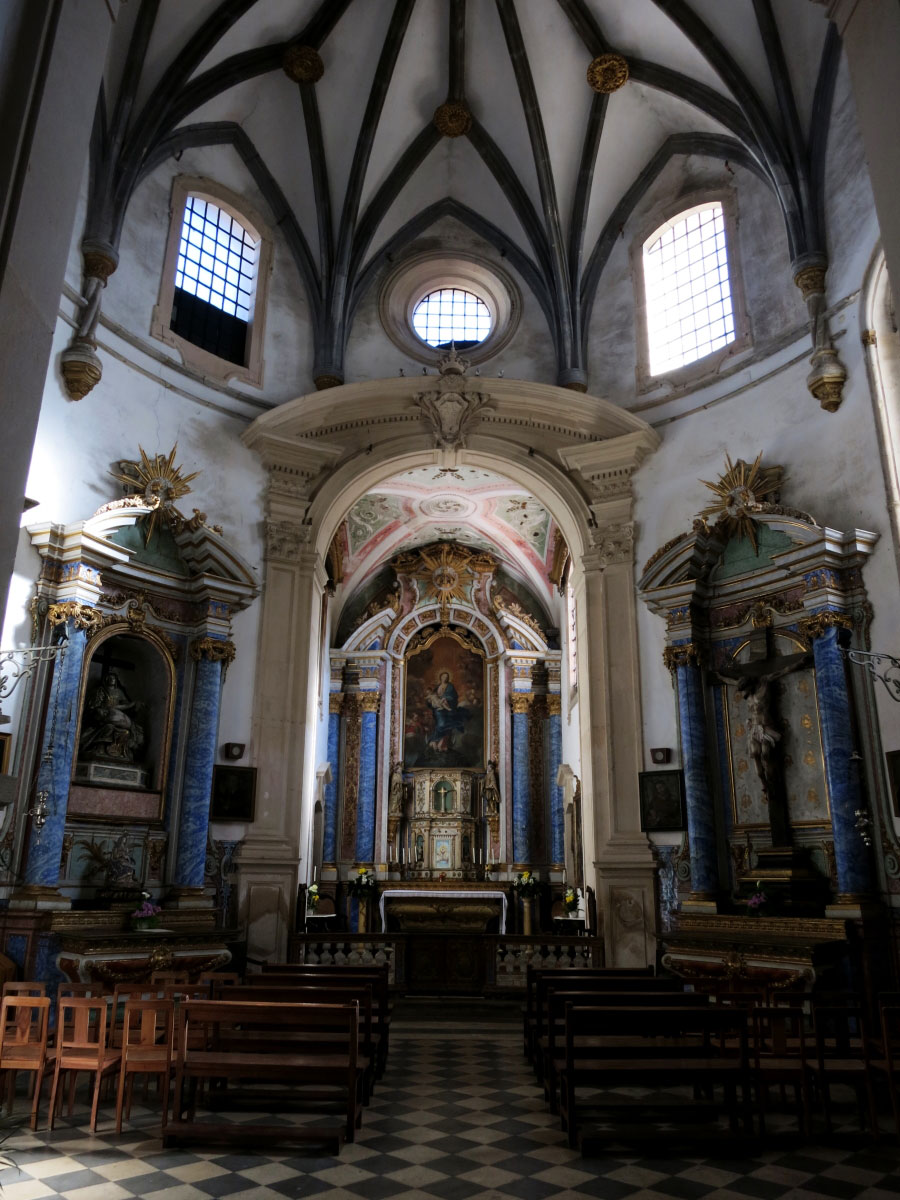
Today, the visitor who crosses the Largo de Celas finds a monument that survived the 19th-century threats, though transformed by time and successive functions – asylum, sanatorium, pediatric hospital until 2011. In the two medieval galleries survive the capitals that Ramalho described with such fervor, testimonies to that "virginal candor" of an artist who entered "with all the intact freshness of feeling into the sincerity of a new art." One should observe them with the same attention that the writer devoted to each detail, seeking in them not only technical mastery, but that quality "ineffably pure, wholly of intimacy and religion" that makes Celas one of the rarest examples of Portuguese Gothic sensibility.
Gallery