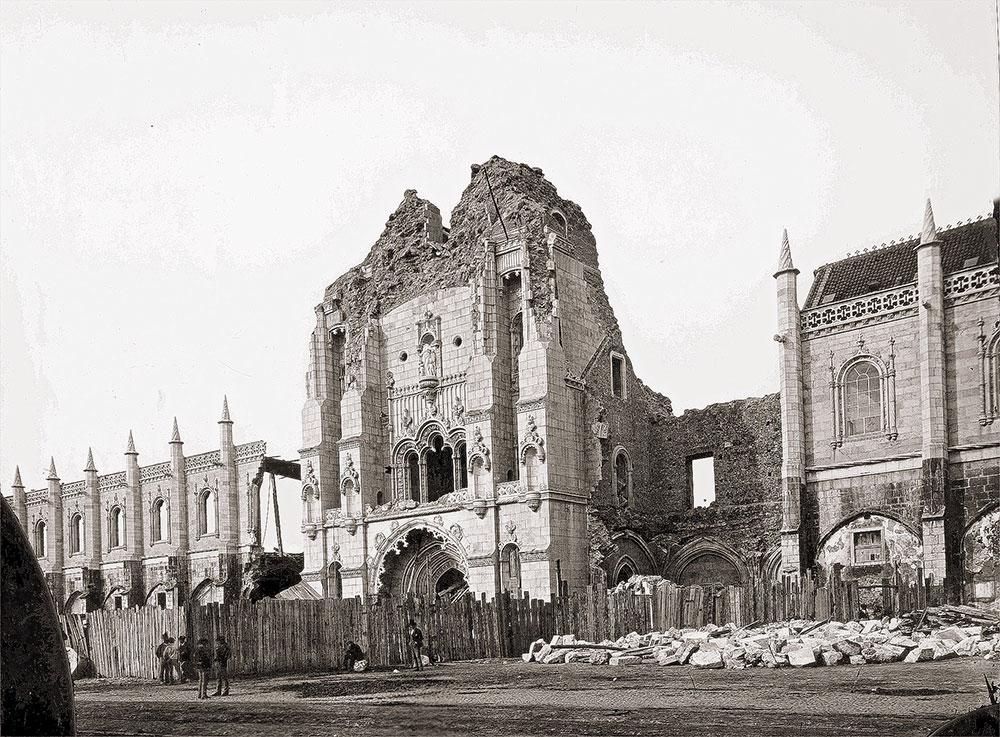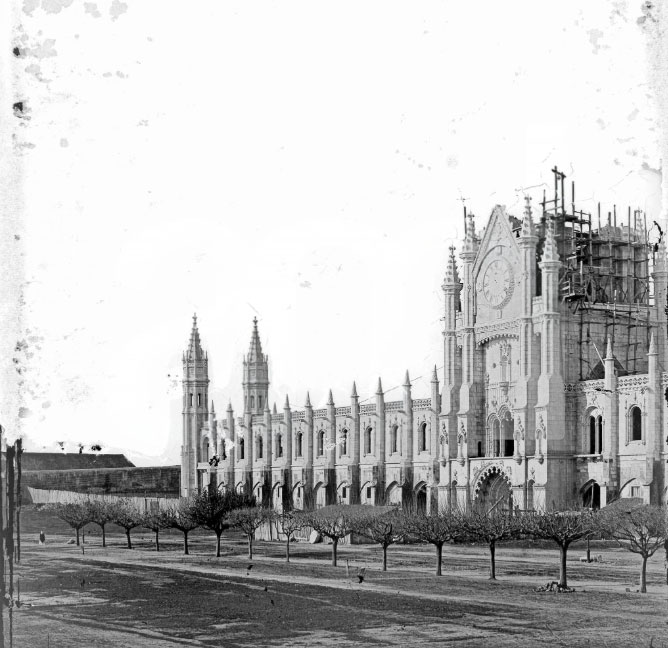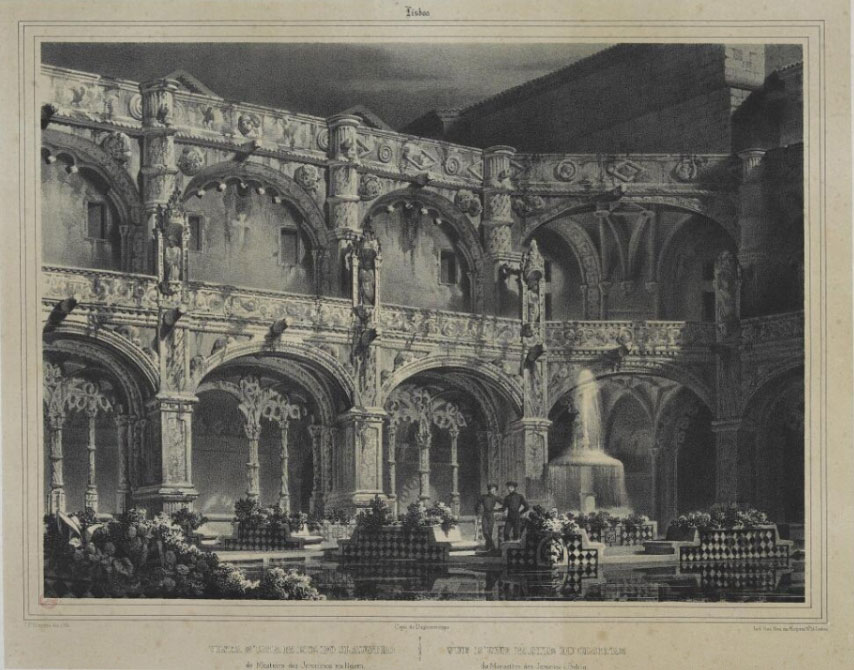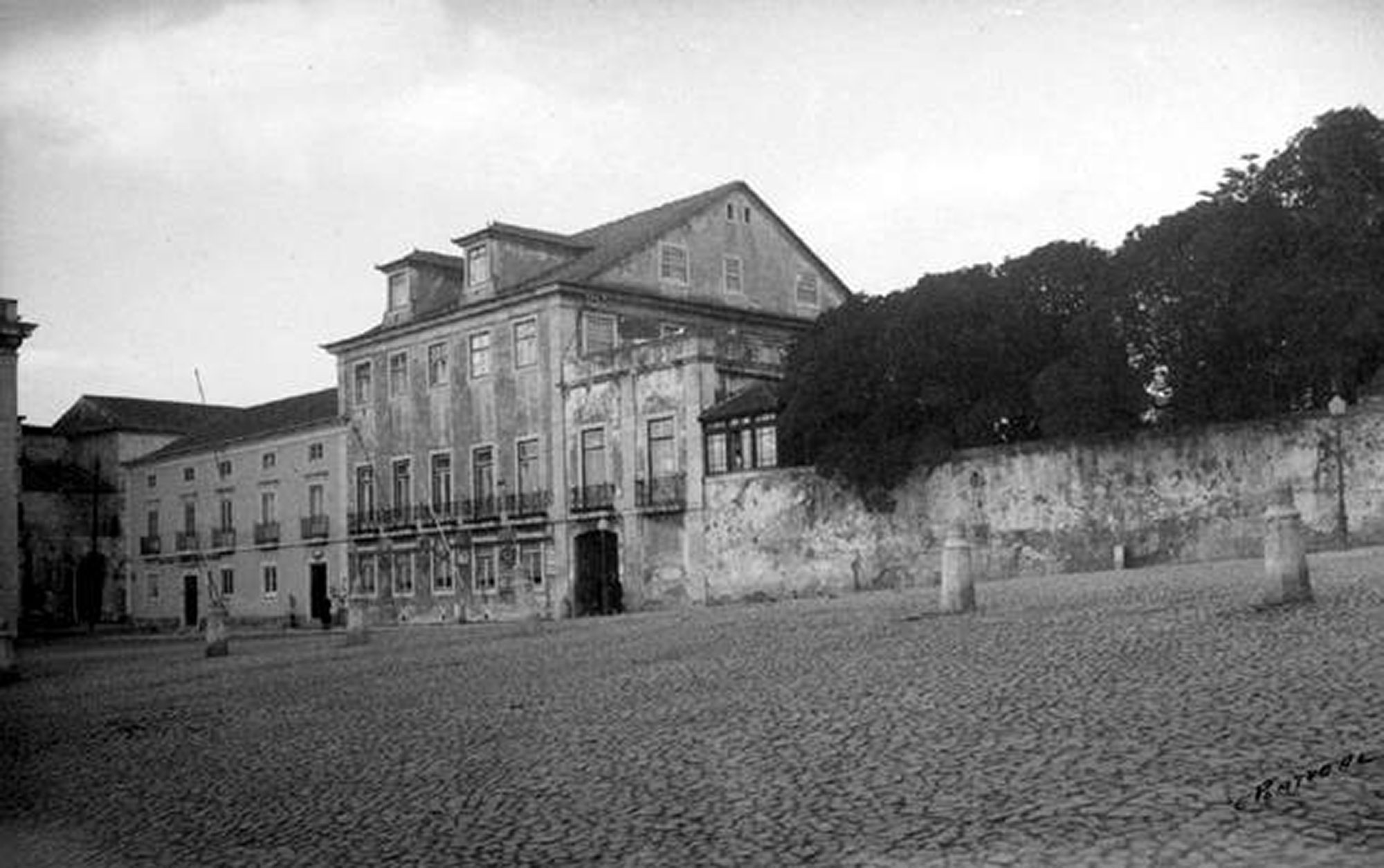
The writer, as a member of the National Monuments Commission, disagrees with the official proposal to install the Torre do Tombo Archive there and defends, as an alternative, the creation of a naval museum. The choice is not arbitrary: for Ramalho, the Manueline monument is inseparable from Portugal's maritime vocation, and the parish of Santa Maria de Belém constitutes a "historically sacred institution", born from the will of Prince Henry the Navigator who transformedinhóspito areal do Restelo (the inhospitable sands of Restelo) into a settlement to support navigators, planting trees, opening fountains, building the primitive hermitage in the exact place where King Manuel would later erect the sumptuous church.
The excerpt reveals the heritage dimension of Ramalho's thinking, which does not separate monuments from historical functions. In defending the permanence of the parish and the installation of a naval museum, the writer proposes a continuity between the foundational vocation of the place – refuge and spiritual shelter for seafarers – and its contemporary use. This vision anticipates modern concepts of musealization that respect the "soul" of buildings. The insistence on the liturgical memory of the Prince, recalled in every mass since the fifteenth century, shows how Ramalho understands heritage: not as a frozen ruin, but as a living tradition that spans centuries.
Today, the visitor to Jerónimos finds precisely what Ramalho advocated: since 1962, the Maritime Museum occupies the north and west wings of the monastery, with the Galeotas Pavilion displaying the royal vessels. The church remains an active parish. Observing the Manueline cloister and the naval collections with "Ramalho's eyes", one can understand how heritage defence implies thinking not only about the physical conservation of monuments, but also about the coherence between their history and their use, between foundational memory and present function.