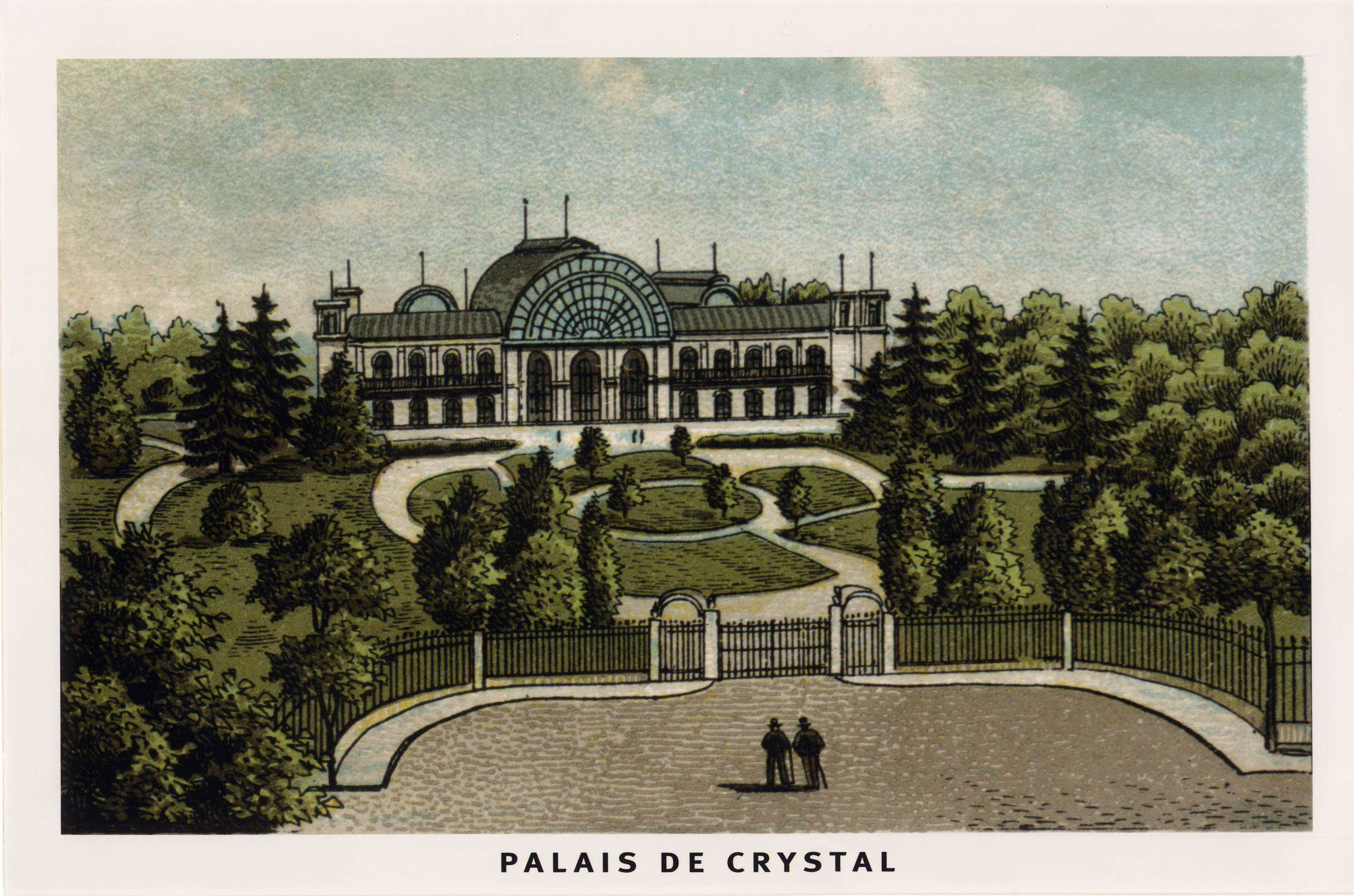
Between his birth and departure for the capital, Ramalho consolidated what would become the fundamental subject matter of his work: nineteenth-century Porto, with its streets, its character types, its customs and its transformations. He was an attentive observer of this world in flux, first as a French teacher at the Colégio da Lapa, then as a feuilletonist for the Jornal do Porto from 1859 onwards, where he made his debut.
The Meeting with Eça
The move to Lisbon coincided with Ramalho's great literary turning point. In 1868, now in the capital, he encounters Eça de Queirós, recently returned from his journey to Egypt and Palestine. Together they conceive O Mistério da Estrada de Sintra (The Mystery of the Sintra Road) and, shortly afterwards, As Farpas (The Barbs), the monthly chronicle that would make them famous. It was in As Farpas, and not in the Porto feuilletons, that Ramalho found his mature style.
Temporal and geographical distance allowed him to paint his native city with a perspective that his early writings lacked. Porto would then appear in As Farpas and in Crónicas Portuenses (Porto Chronicles), reaching its highest point in the celebrated preface to the monumental edition of Camilo Castelo Branco's Amor de Perdição (Doomed Love), where Ramalho evokes with rare beauty the romantic literary generation of Porto.
A city in transformation
The Porto that Ramalho describes is that of the second half of the nineteenth century, a period of profound urban and social transformation. After the convulsions of the civil war and the consolidation of liberalism, the Regeneration brought a new physiognomy to the northern city: broad streets such as Mouzinho da Silveira and Passos Manuel were opened, entire neighbourhoods such as those of Palácio and Duquesa de Bragança emerged, and old medieval thoroughfares were demolished.
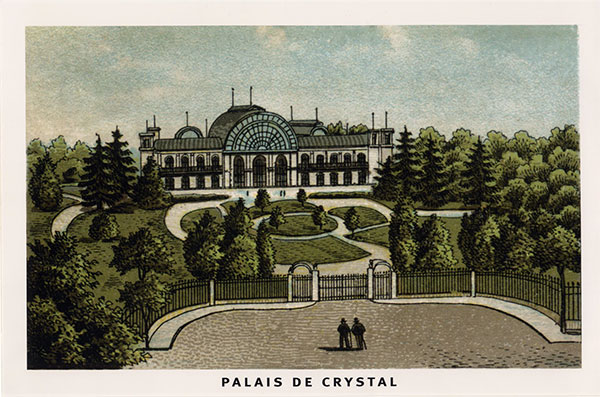
Porto Municipal Archive
PT-CMP-AM/COL/HPC/1676/F.C:HP:12:2
The writer witnessed the replacement of ox-drawn carts by chars-à-bancs and later by the americanos (trams) that connected Porto to Foz do Douro in thirty minutes. It was also the time of the assertion of an enriched commercial bourgeoisie, which distinguished itself from the old nobility and transformed both the urban fabric and the cultural life of the city, frequenting the São João Theatre, the Porto Educational Society and the Crystal Palace.
Ramalho Ortigão was more than a simple chronicler; he was a privileged witness to the changes that swept through nineteenth-century Portuguese society. His work offers us today an irreplaceable portrait of a Porto that oscillated between tradition and the promises of a progress not always welcome. It is this simultaneously critical and nostalgic, ironic and moved gaze that makes Ramalho the great chronicler of the invincible city.