Literary Note
EN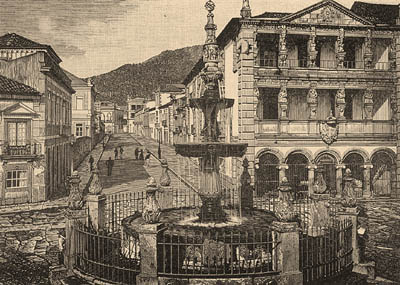
Viana do Castelo: The Seaside Dream
When Ramalho Ortigão observes Viana do Castelo in the late nineteenth century, he finds a city living off the splendor of its past. Seen from the top of a hill, …
Caldas de Vizela and Thermal Tourism
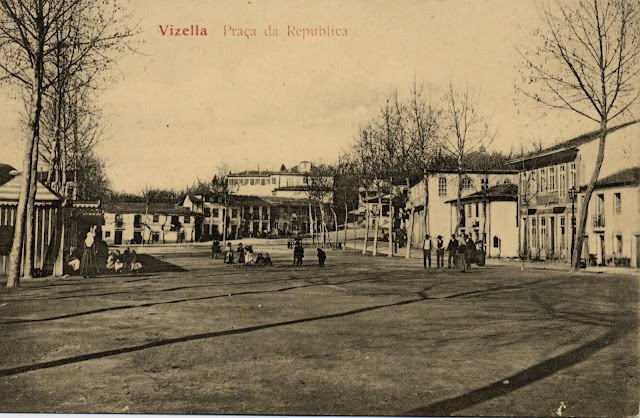
When Ramalho Ortigão arrived at Caldas de Vizela eighteen years earlier, in early June in the mid-nineteenth century, he did so in the traditional manner of those who traveled through …
São Pedro do Sul: The Paradisiacal Valley in Ramalho's Journey
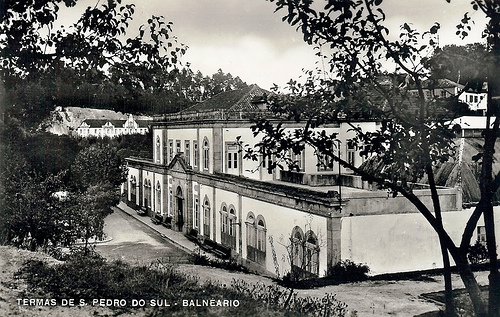
When Ramalho Ortigão arrived in São Pedro do Sul, still in the late nineteenth century, he did so after an exhausting journey through the mountains of Beira. The Northern railway …
Azambuja: The Landscape of Ribatejo
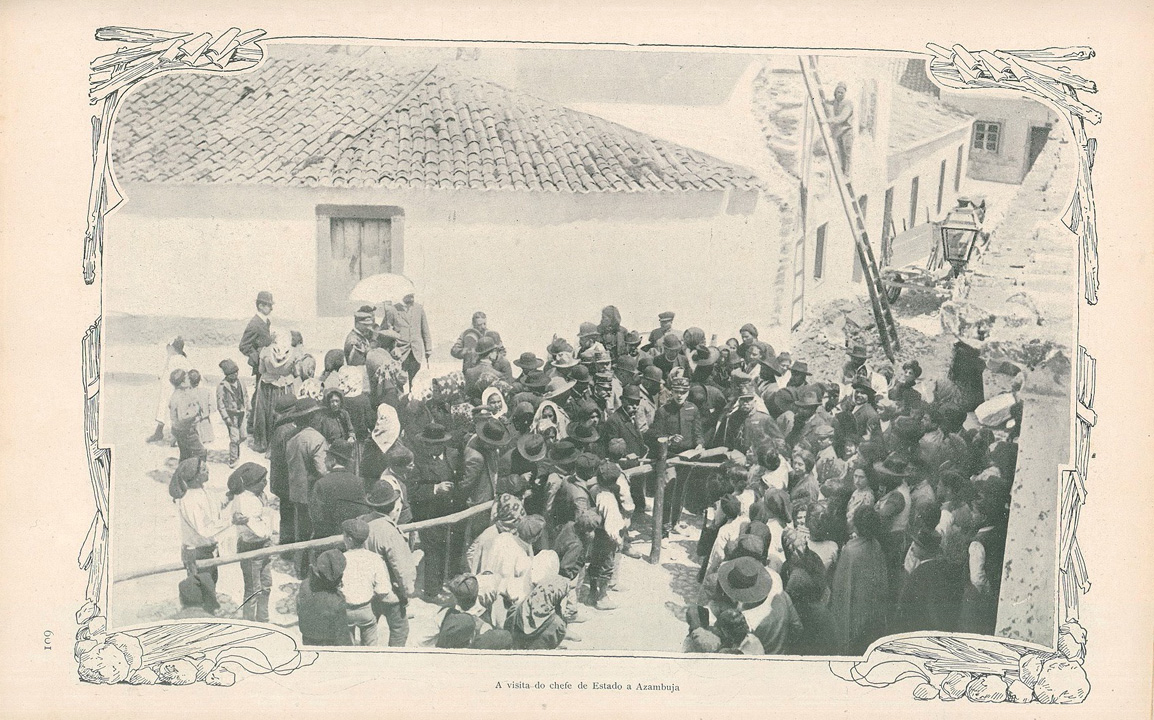
When Ramalho Ortigão crosses Azambuja in the late nineteenth century, he finds a Ribatejo landscape in full threshing season: "in the golden plain, among the haystacks and sheaves, the great …
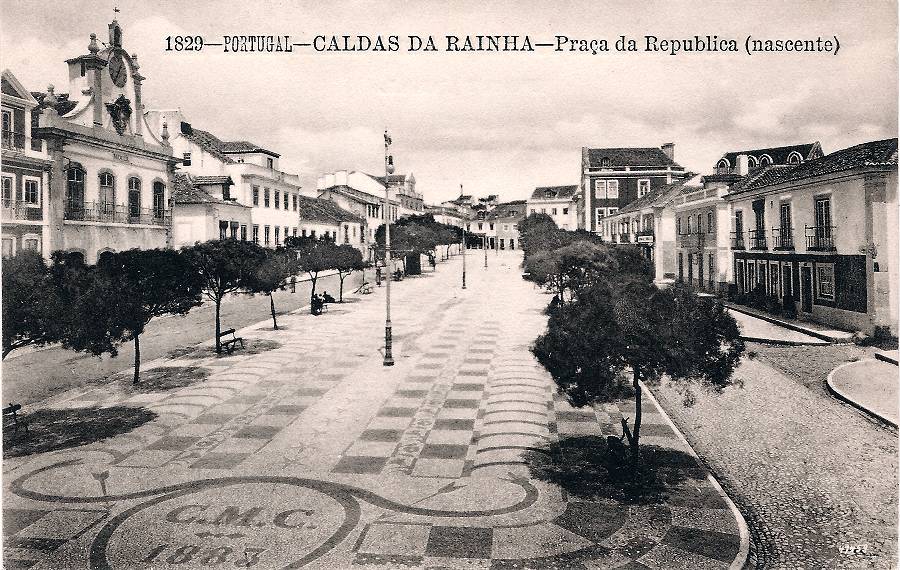
Caldas da Rainha: The Beautiful Village
In the late nineteenth century, Caldas da Rainha presented itself as "the beautiful town" that in Portugal "most resembles the French and German spa towns," according to Ramalho Ortigão's observation.
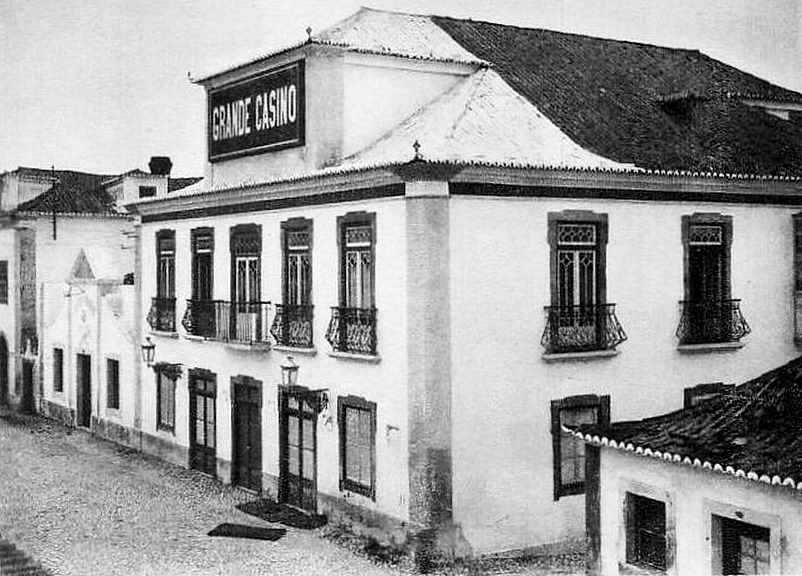
Ericeira by the Sea
When Ramalho Ortigão visits Ericeira outside the bathing season, in the late nineteenth century, he finds a town that surprises him with its uniqueness in the national panorama. "If we …
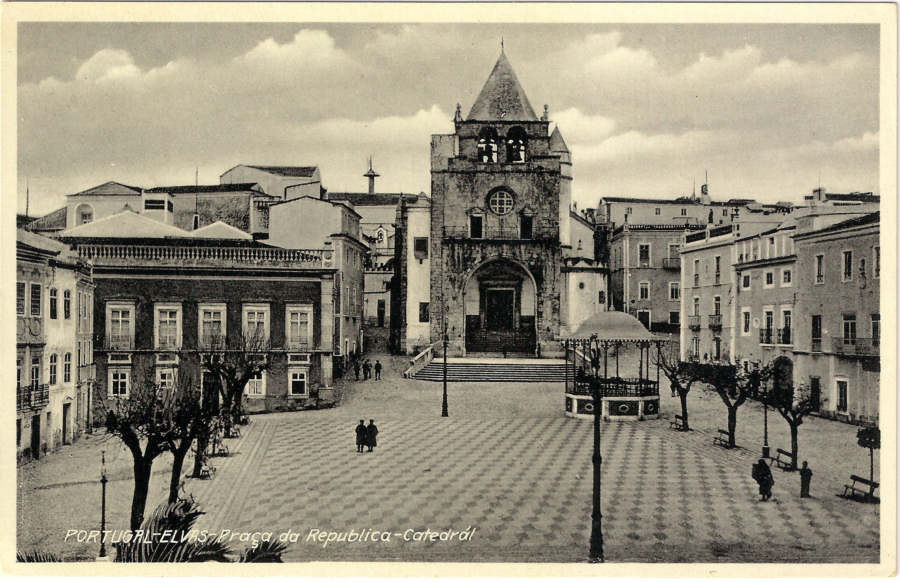
The example of the Elvas Aqueduct
When Ramalho Ortigão contemplates the Elvas Aqueduct in the late nineteenth century, he sees much more than a hydraulic engineering work: he sees a moral monument that condemns his own …
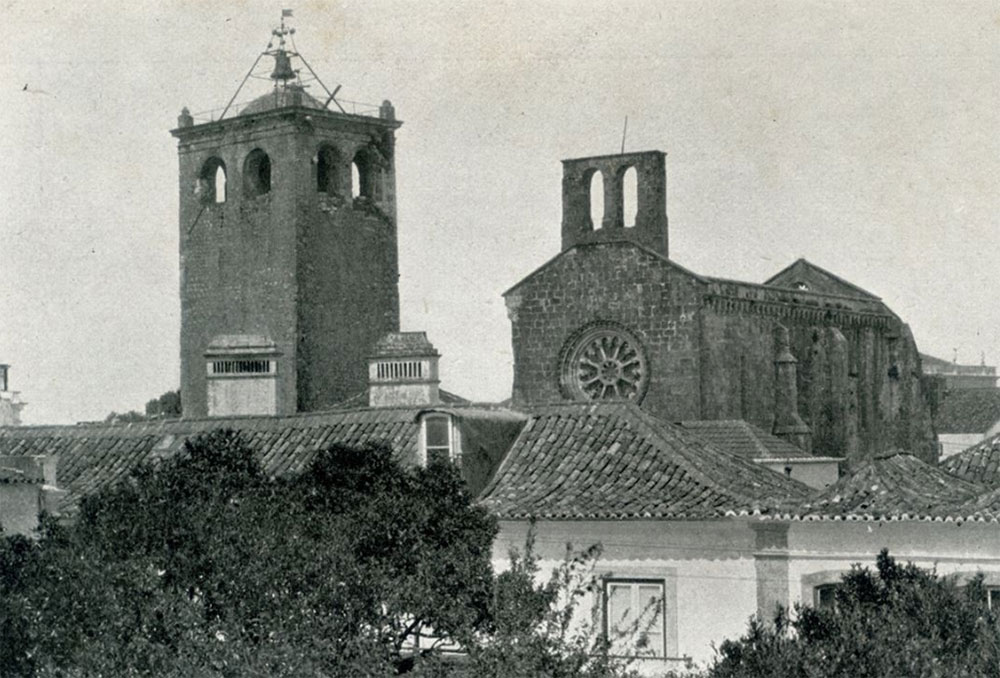
The Tower of the Gourds - Chronicle of a Survival
In 1785, when Queen Maria I announced her visit to Santarém, the Scalabitan councilors faced a problem of geometry and protocol: the royal coach would have to pass between the …
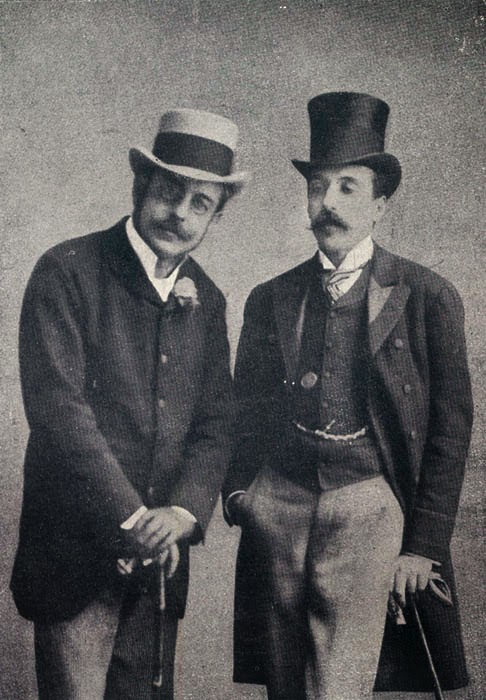
Ramalho Ortigão: A Heritage Vocation
José Duarte Ramalho Ortigão was born on November 24, 1836, in the house of Germalde, in the parish of Santo Ildefonso do Porto. His childhood unfolded between his maternal grandmother's …
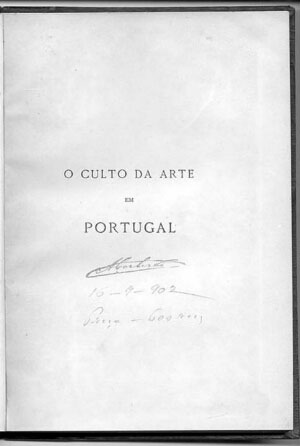
Ramalho Ortigão and the Cult of Art in Portugal
Ramalho Ortigão wrote in the late nineteenth century, at a time when Portugal had lost its empire, suffered the trauma of the British Ultimatum of 1890, discovered itself to be …
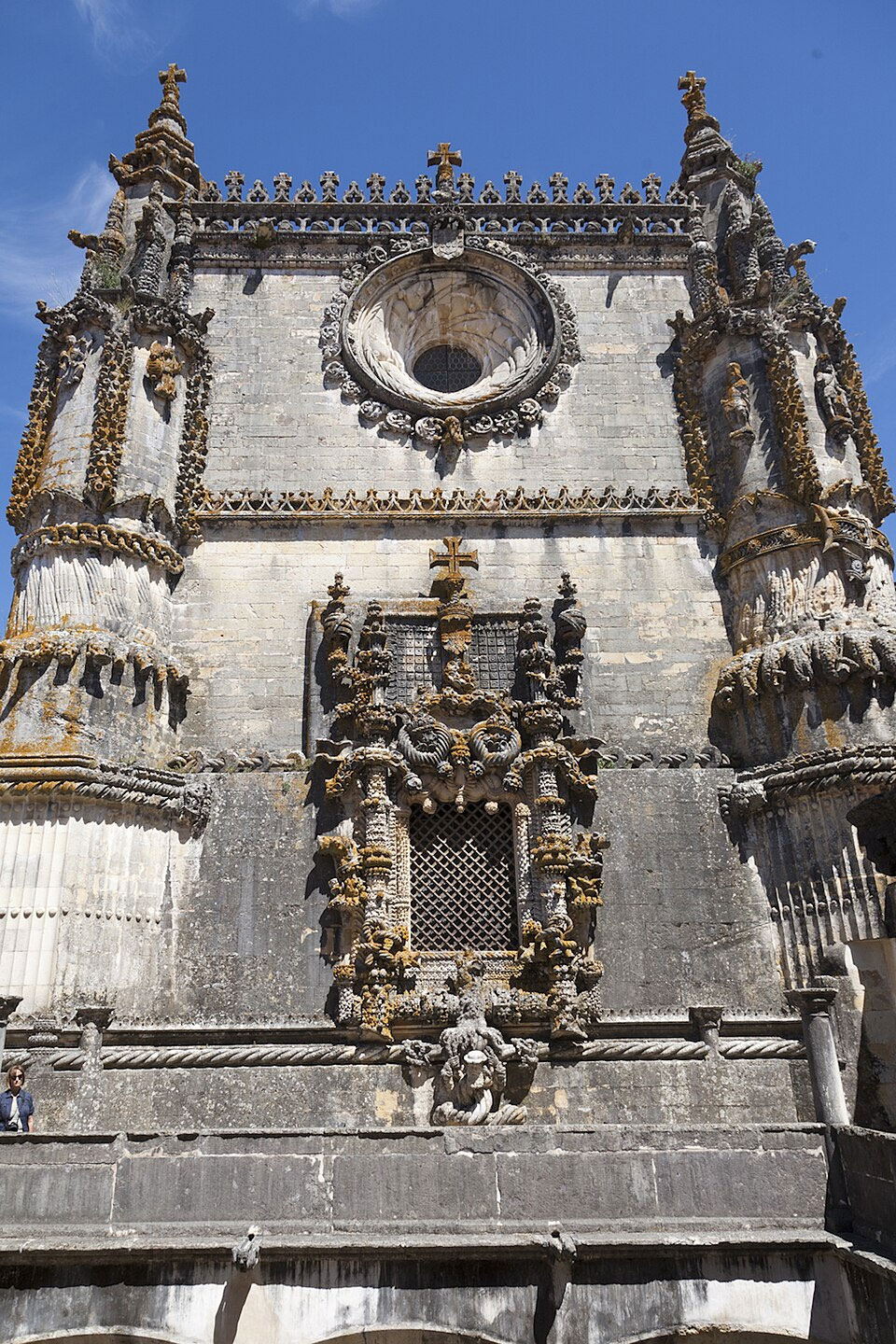
Looking at the Window Today, with Ramalho Ortigão
What does it mean, today, to affirm that the Tomar window is "the most Portuguese work"? The question is more complex—and more dangerous—than it seems. Ramalho used the expression in …
Ramalho Ortigão's Manueline: Aesthetics, Ideology, and Transgression
When Ramalho Ortigão affirms that the Tomar window is "the most eloquent, most convinced, most poetically patriotic, most tremblingly Portuguese work that the talent for sculpting and making stone sing …