Literary Note
EN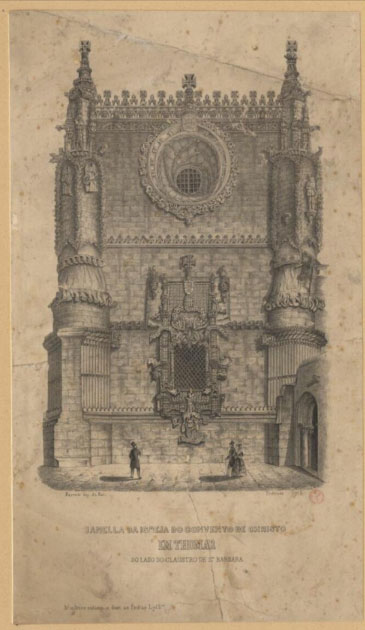
The Tomar Window Under Ramalho Ortigão's Magnifying Glass
The famous window of the Chapter Room opens in the eastern façade of the Convent of Christ, facing east, in an arrangement that is not accidental: the morning light bathes …
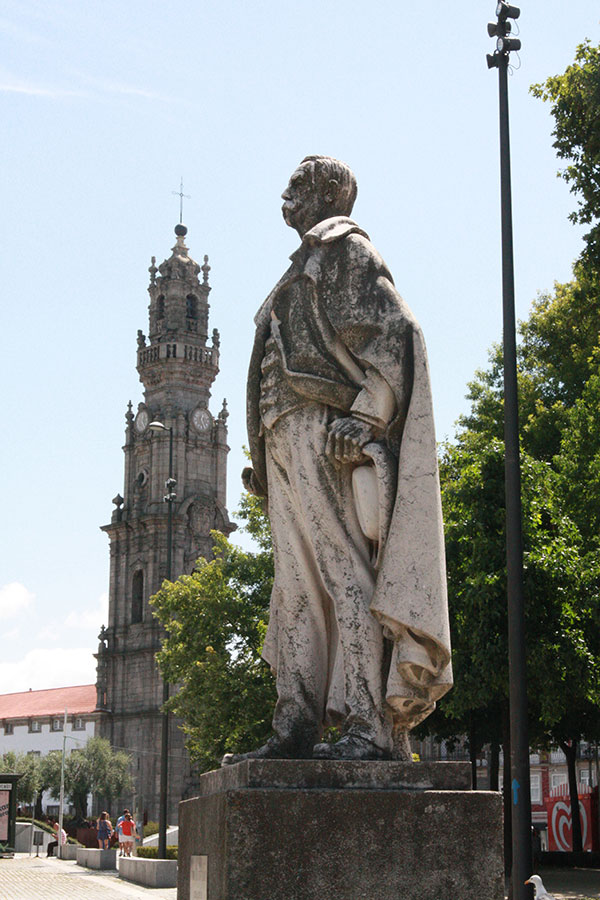
Legacy and Contemporary of Ramalho's Thought
When The Cult of Art in Portugal was published in 1896, it had all the characteristics of being just another one of those books that shake consciences for a brief …
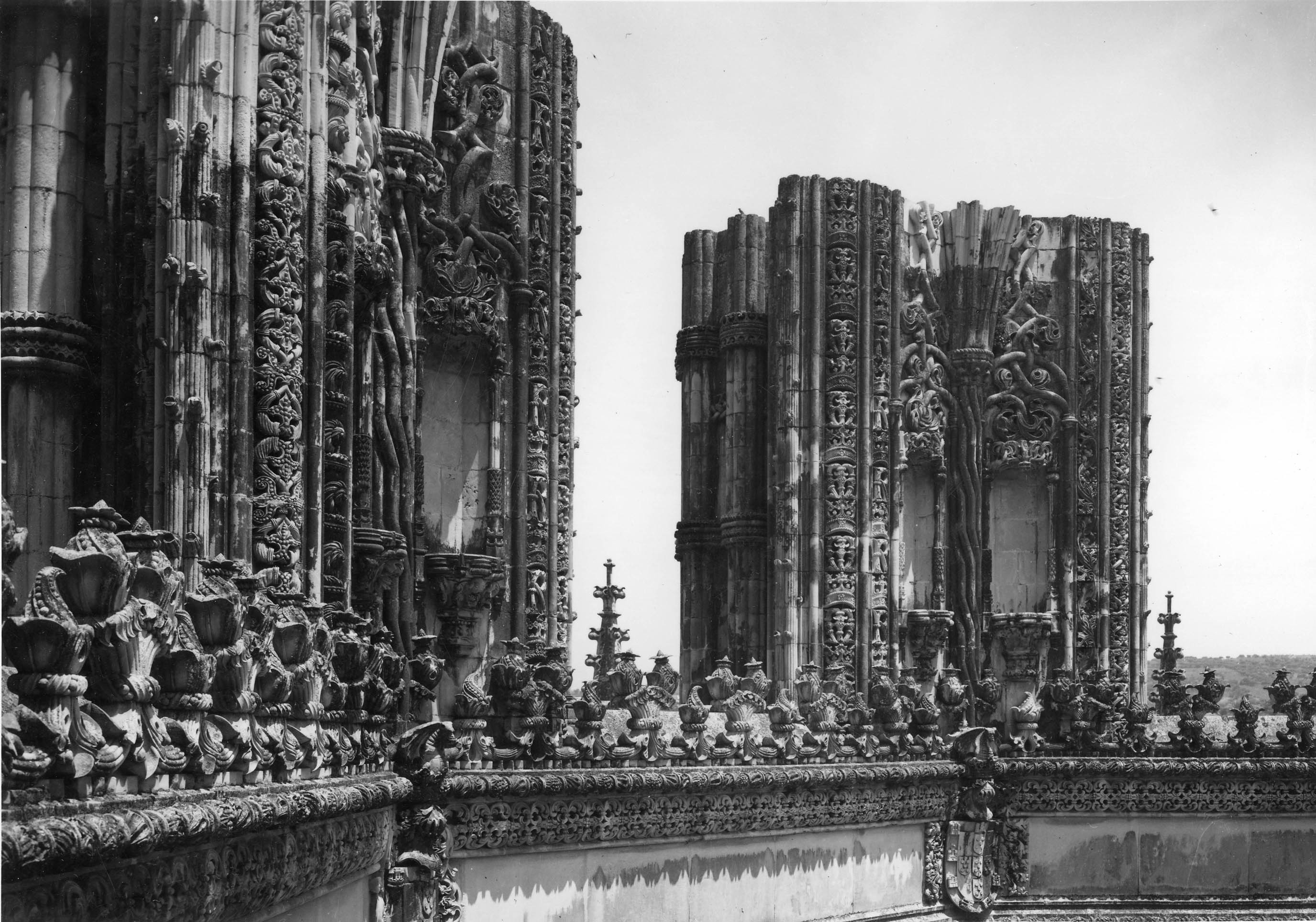
The Unfinished Chapels: An Incomplete Poem in Stone
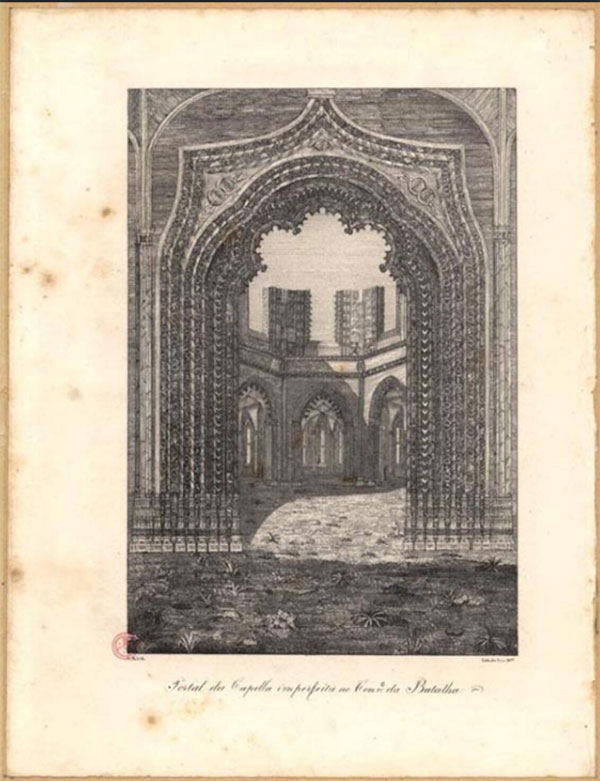
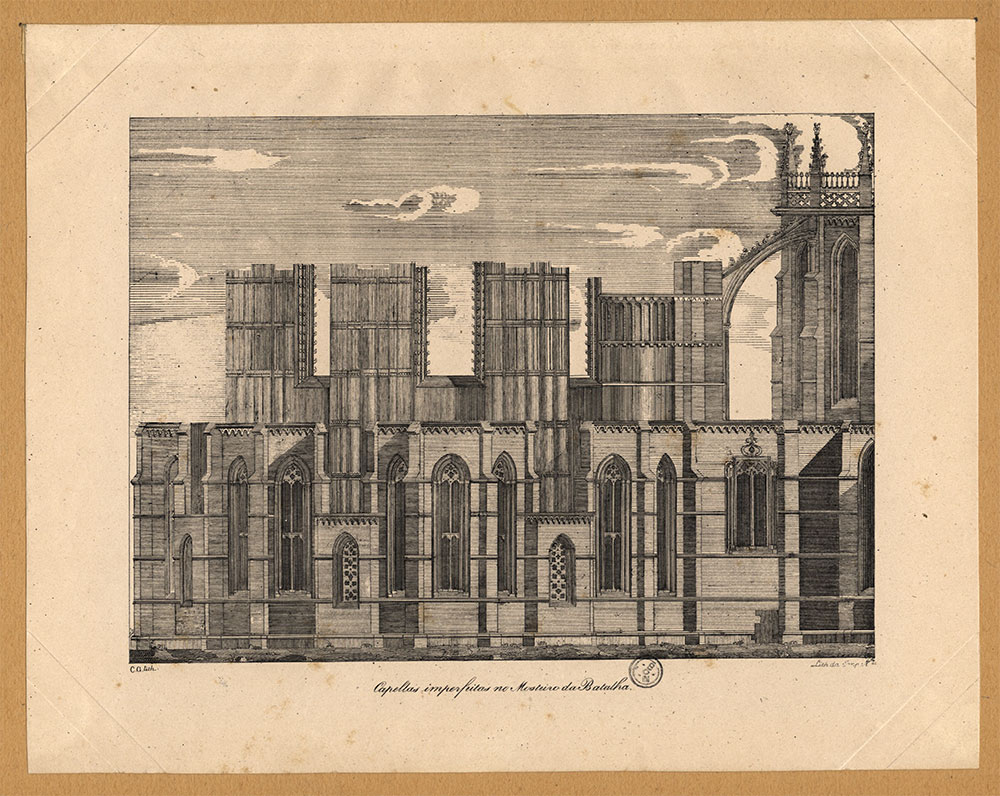
If the Batalha Monastery was, for Ramalho Ortigão, "the great marble book, the immortal poem, the Portuguese Divine Comedy," then the Unfinished Chapels were the most mysterious and disturbing canto …
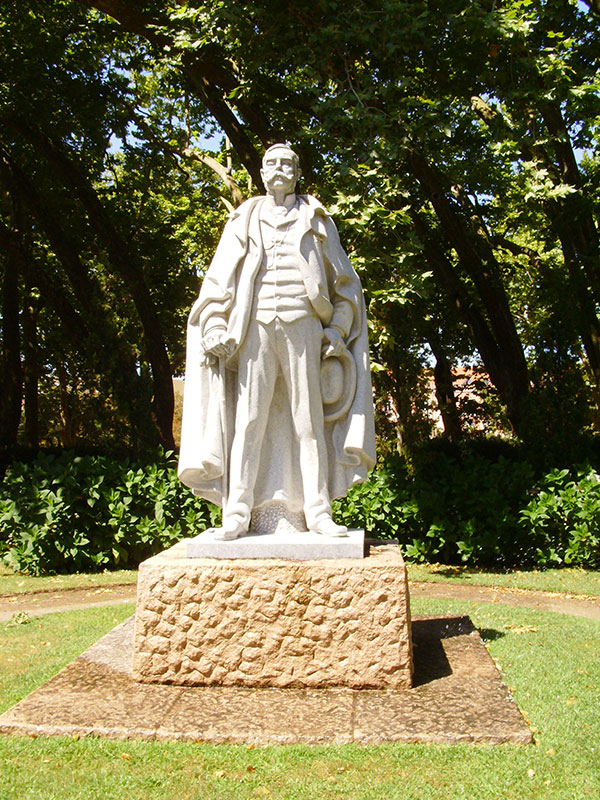
Ramalho's Heritage Pedagogy
But the most original—and perhaps most current—aspect of Ramalho Ortigão's thought resided in his pedagogical conception of heritage. For him, the question was not limited to technical issues of conservation …
Ramalho and the Batalha Monastery as a Case Study
Half a century after King Ferdinand II's visit, Ramalho Ortigão found himself before the same monument, but at an even more critical phase of its history.
The Metaphor of Threatened Heritage
The contrast was devastating. On one side, the glory of the foundation: a victorious king, the greatest architects of Europe summoned, the entire nation committed to a work that would …
The Monastery of Santa Maria da Vitória: Historical and Symbolic Context
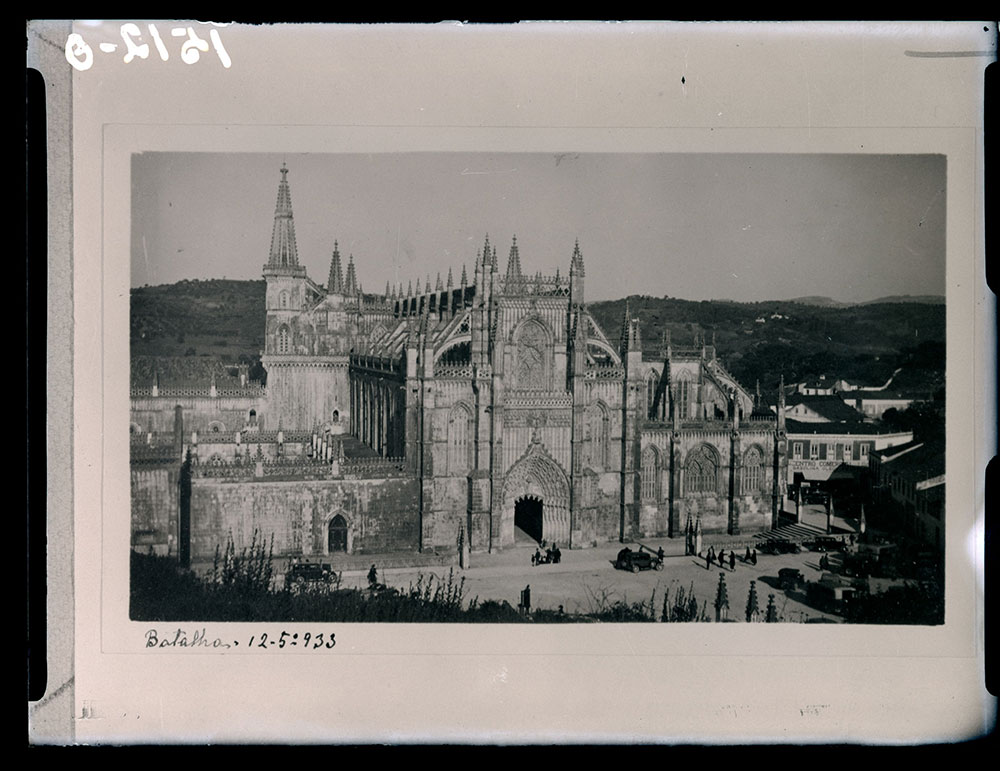
Among all Portuguese monuments, the Batalha Monastery occupied, for Ramalho Ortigão, a singular and almost sacred place.
Cloisters of Celas Convent
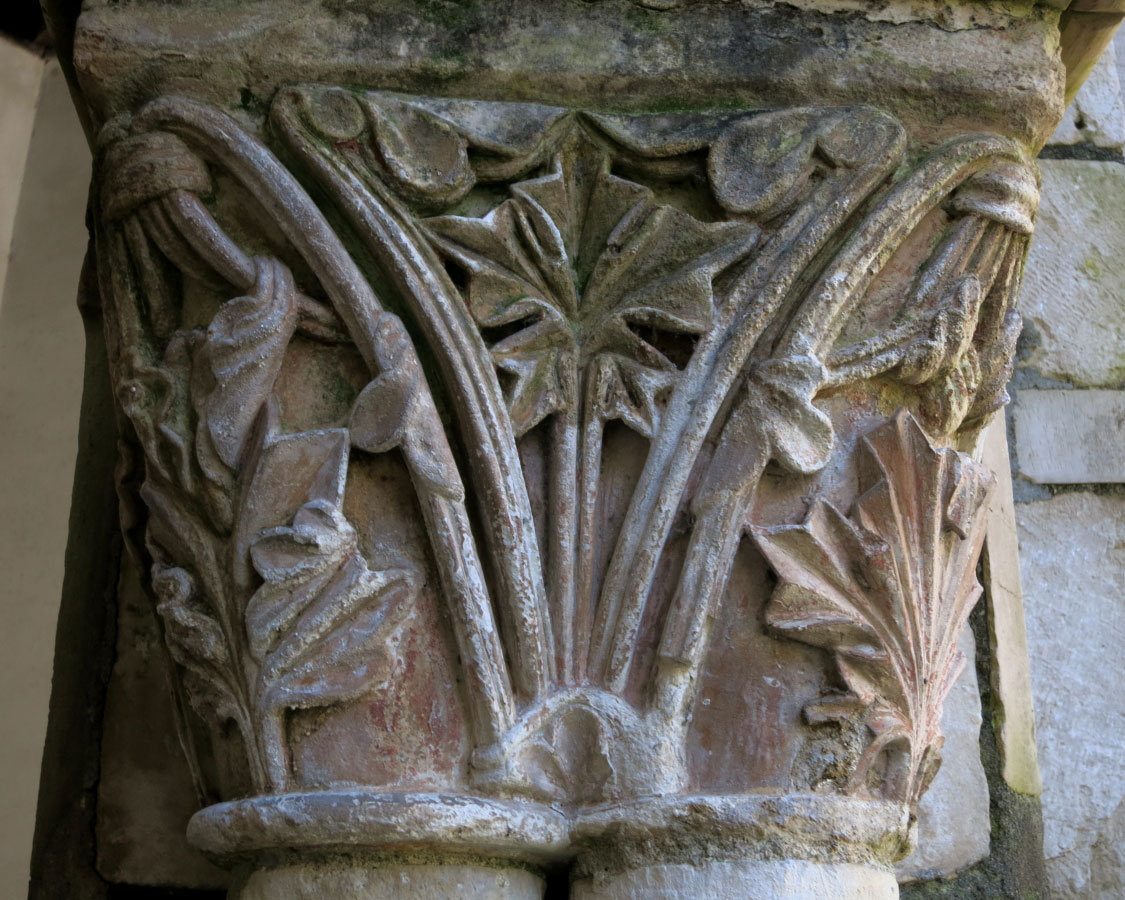
When Ramalho Ortigão visited the Convent of Celas in the late 19th century, the small Cistercian monastery founded by D. Sancha, daughter of King Sancho I, faced an unprecedented threat: …
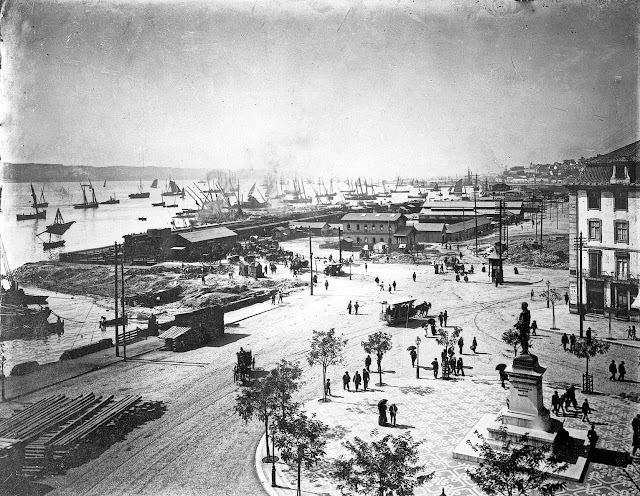
A Journey on the Tagus
When the steamer departs from Cais do Sodré toward Cascais on a September morning in 1876, the Tagus stretches before the passengers "in all its majesty, like a small Mediterranean," …
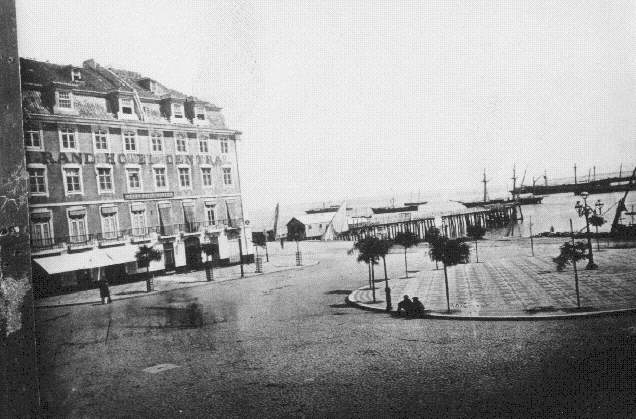
Cais do Sodré
<p>When Ramalho Ortigão invites the reader to take what he calls <i>o mais belo dos passeios permitidos ao habitante de Lisboa</i>, (the most beautiful of the walks permitted to the …
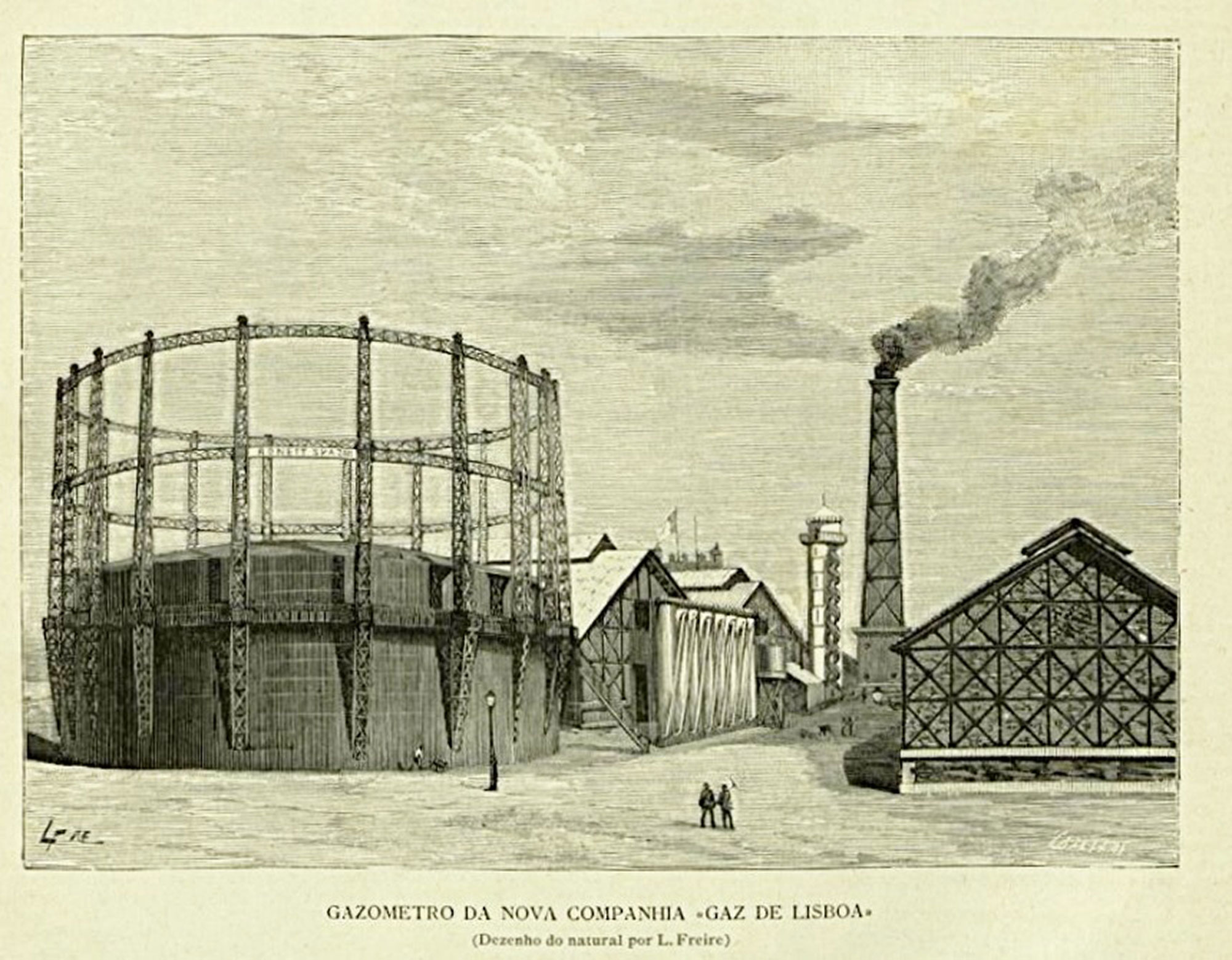
Aterro
<p>When the steamer departs from Cais do Sodré towards Cascais, the northern bank of the Tagus reveals to the nineteenth-century traveller a landscape in transformation.</p>
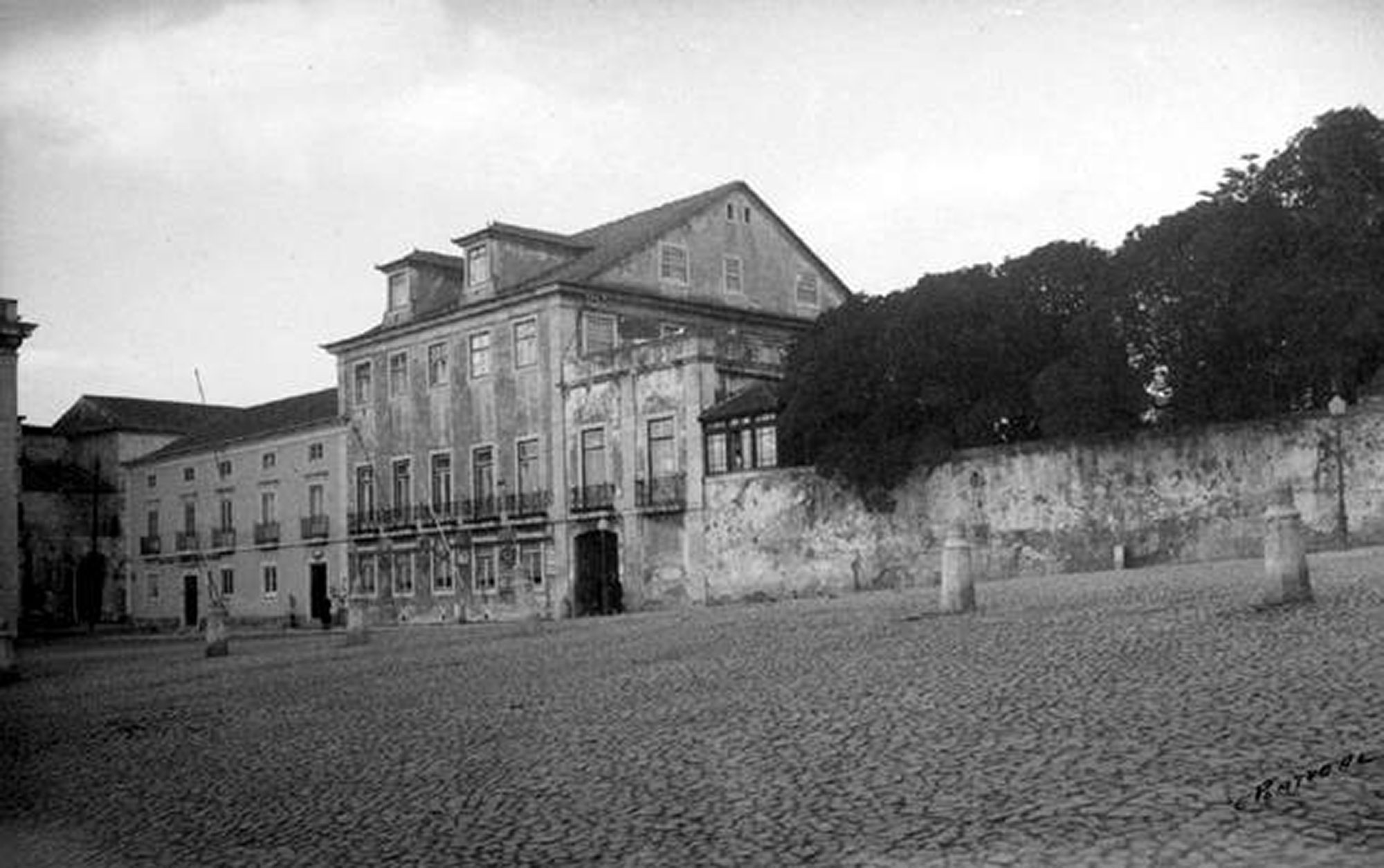
Largo dos Jerónimos
<p>When Ramalho Ortigão writes about the Jerónimos at the end of the nineteenth century, the monument faces a crucial question: what destination to give to the building annexed to the …