Literary Journey
Explore this itinerary and its literary context
Journey details
Mixed
easy
60.00 km
12.00h
Stops in The Literary Douro



Authors
Works
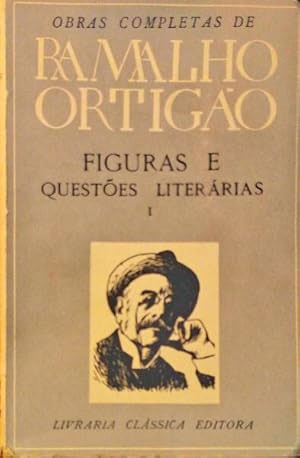
Related Articles
Authors
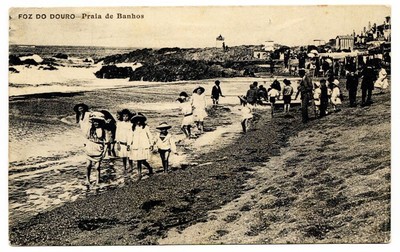
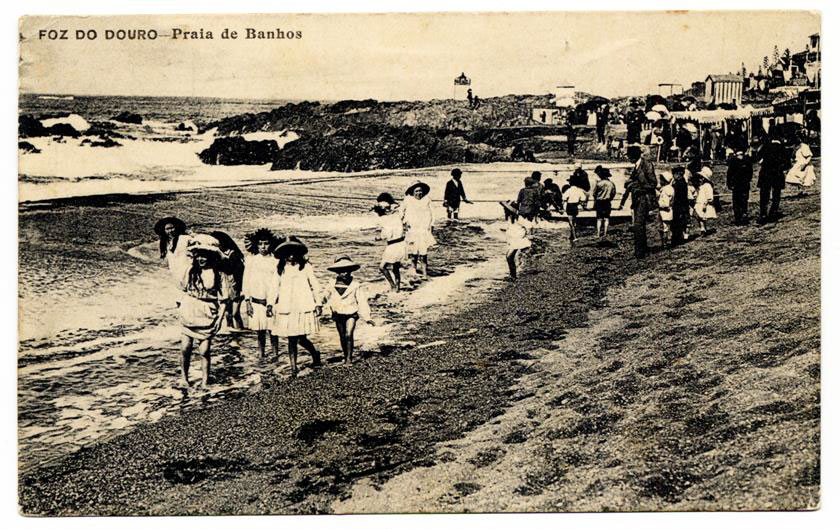
Going to Foz with Ramalho Ortigão
The Foz do Douro that Ramalho Ortigão knew in his childhood, in the 1840s and 1850s, was still a modest …
Literary Note
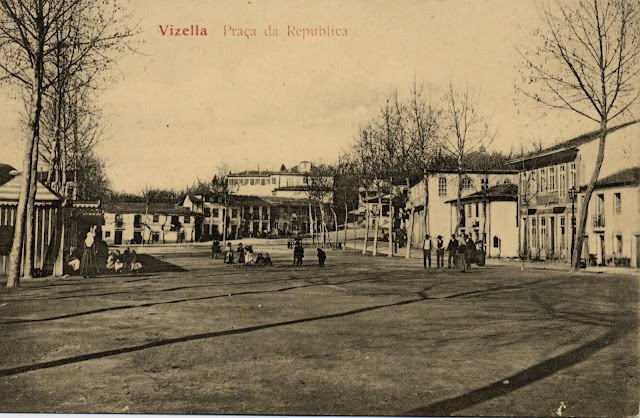
Caldas de Vizela and Thermal Tourism
When Ramalho Ortigão arrived at Caldas de Vizela eighteen years earlier, in early June in the mid-nineteenth century, he did …
Literary Note
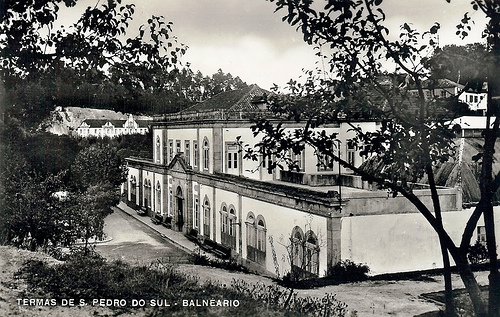
São Pedro do Sul: The Paradisiacal Valley in Ramalho's Journey
When Ramalho Ortigão arrived in São Pedro do Sul, still in the late nineteenth century, he did so after an …
Literary Note
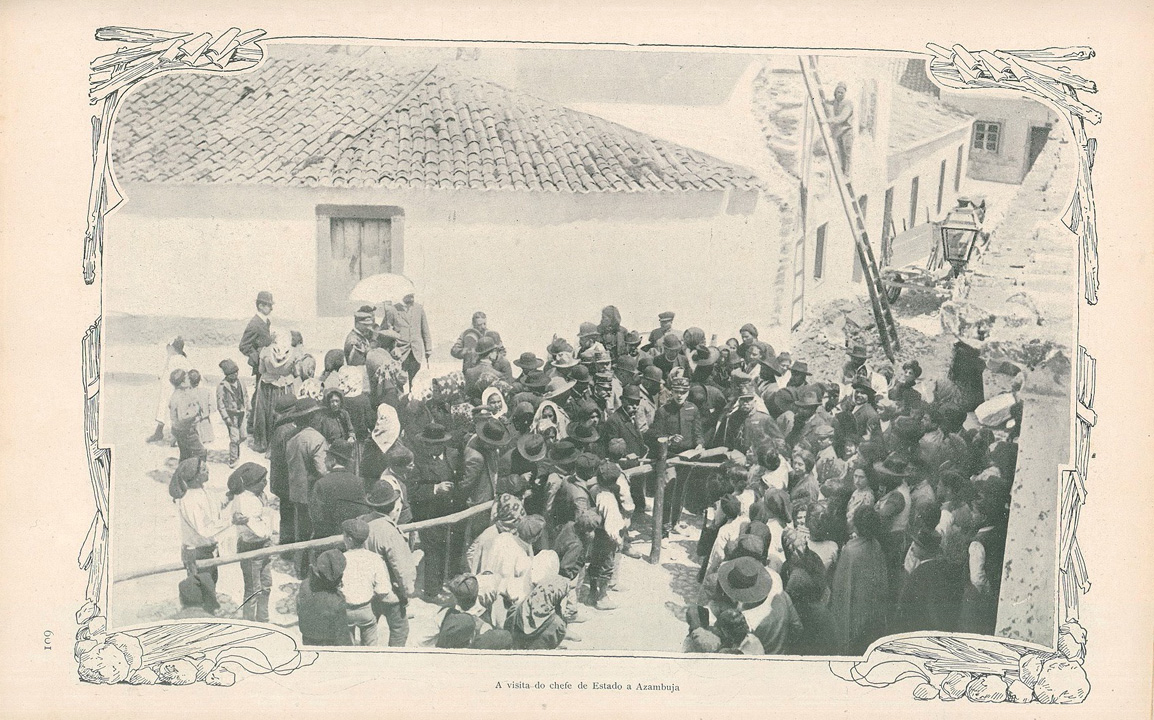
Azambuja: The Landscape of Ribatejo
When Ramalho Ortigão crosses Azambuja in the late nineteenth century, he finds a Ribatejo landscape in full threshing season: "in …
Literary Note
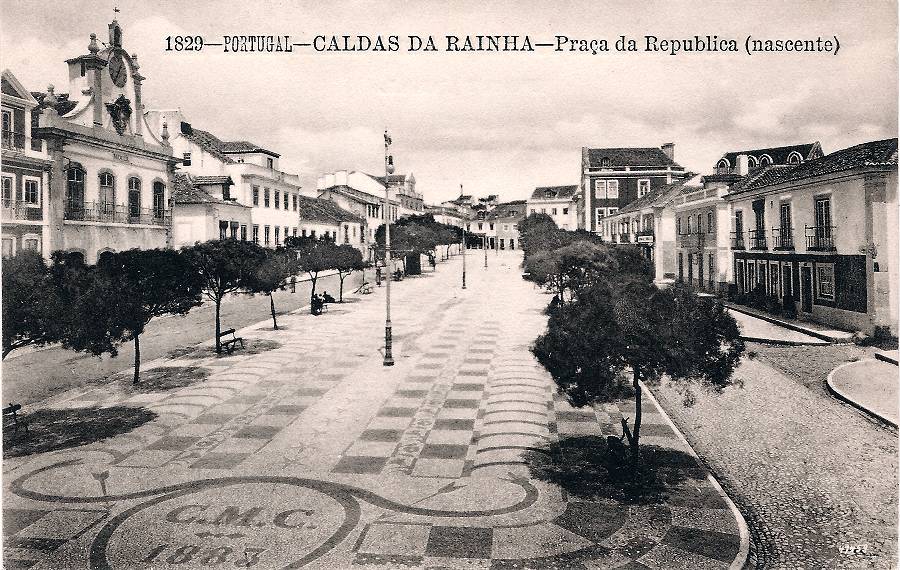
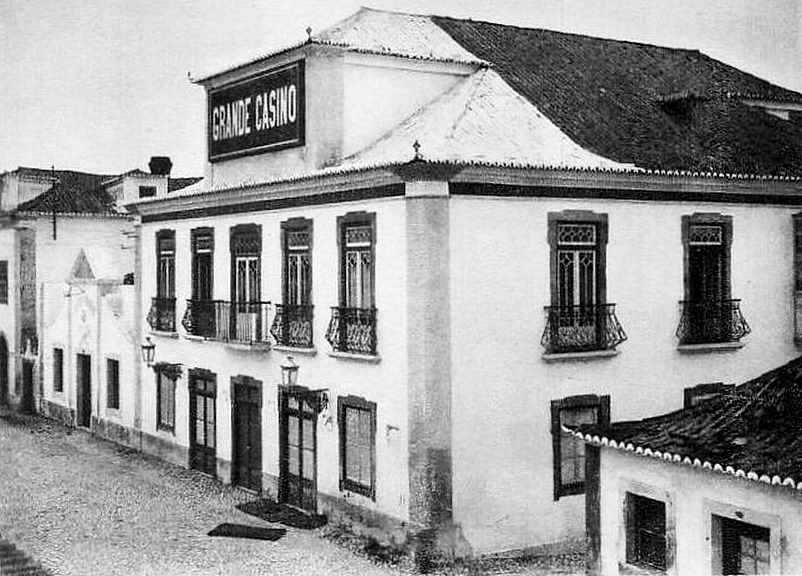
Caldas da Rainha: The Beautiful Village
In the late nineteenth century, Caldas da Rainha presented itself as "the beautiful town" that in Portugal "most resembles the …
Literary Note
Ericeira by the Sea
When Ramalho Ortigão visits Ericeira outside the bathing season, in the late nineteenth century, he finds a town that surprises …
Literary Note
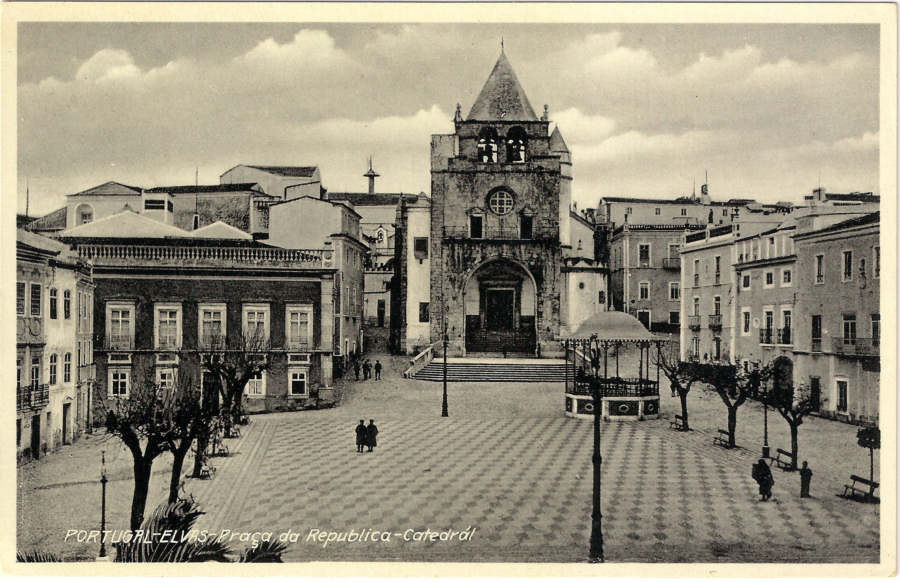
The example of the Elvas Aqueduct
When Ramalho Ortigão contemplates the Elvas Aqueduct in the late nineteenth century, he sees much more than a hydraulic engineering …
Literary Note
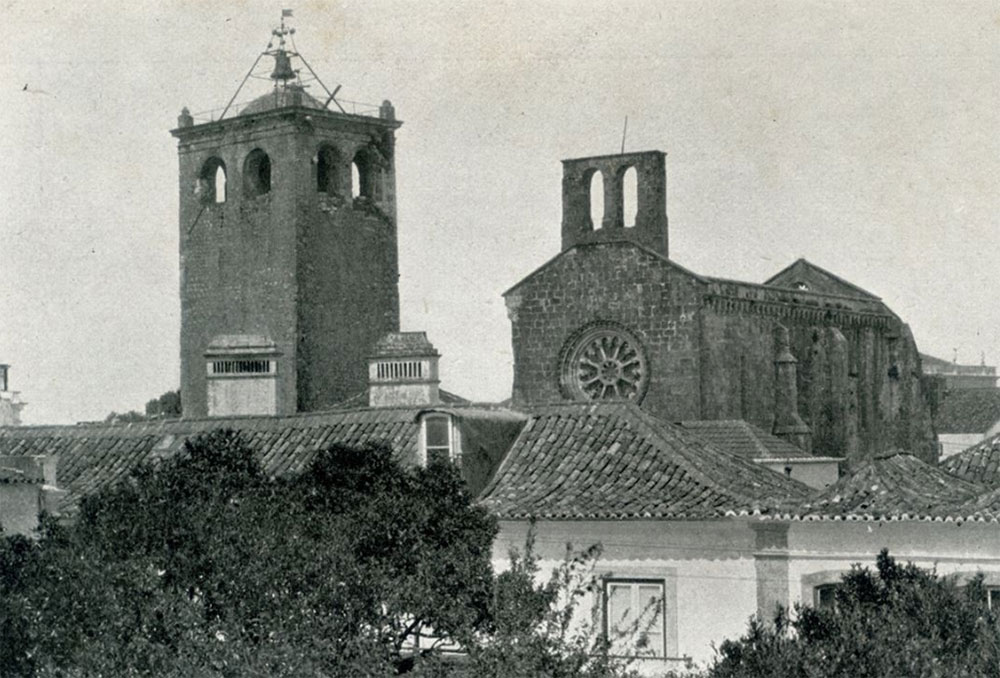
The Tower of the Gourds - Chronicle of a Survival
In 1785, when Queen Maria I announced her visit to Santarém, the Scalabitan councilors faced a problem of geometry and …
Literary Note
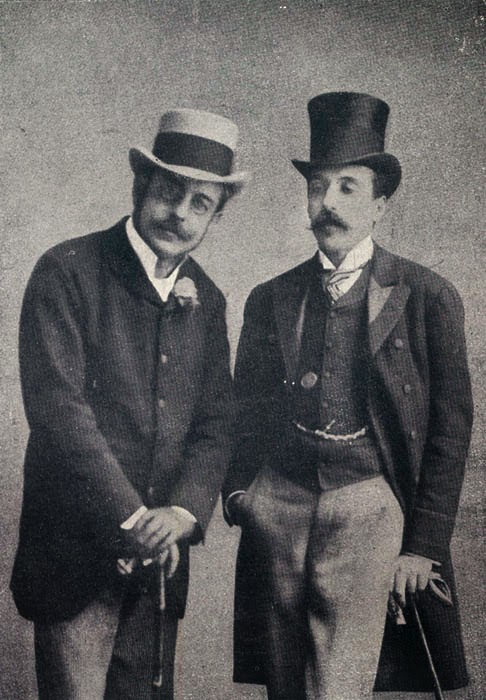
Ramalho Ortigão: A Heritage Vocation
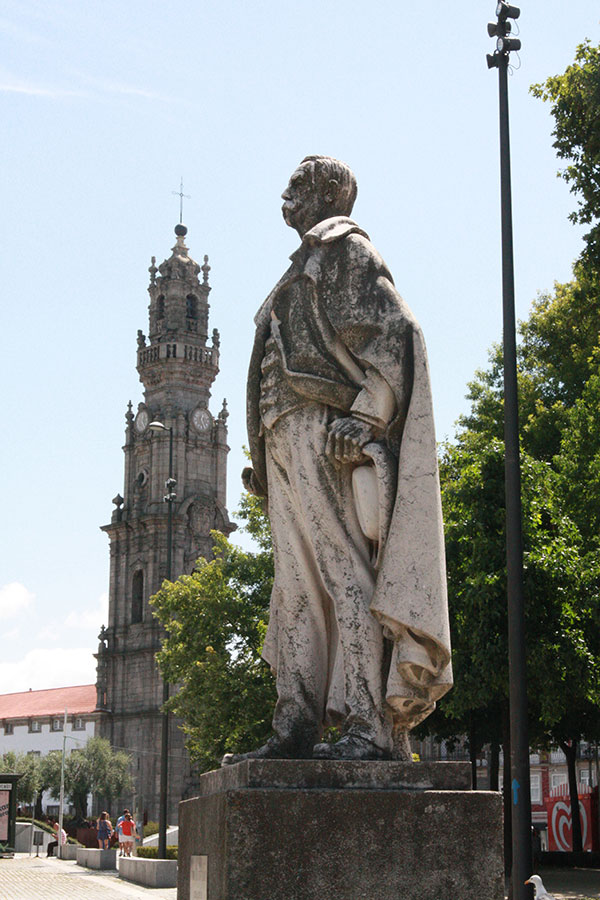
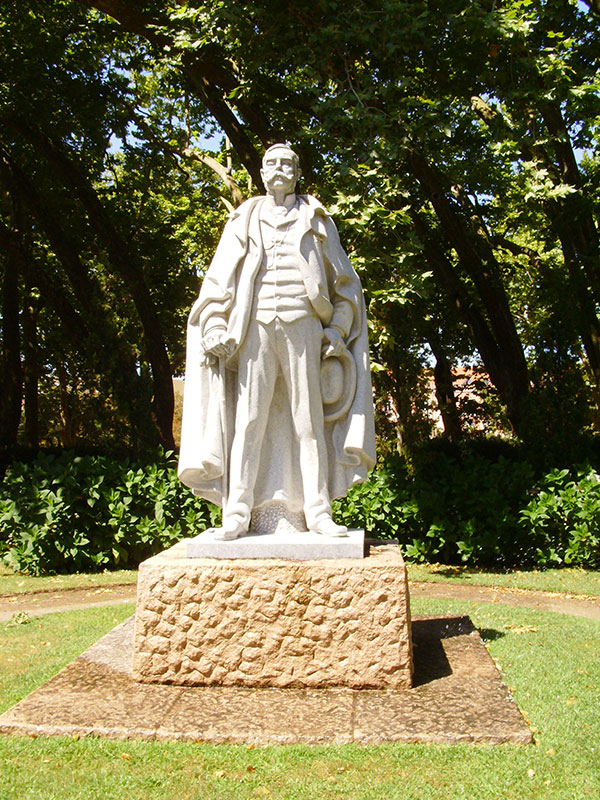
José Duarte Ramalho Ortigão was born on November 24, 1836, in the house of Germalde, in the parish of Santo …
Literary Note
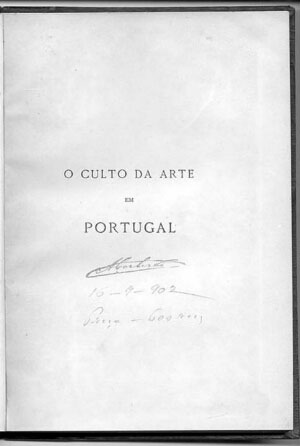
Ramalho Ortigão and the Cult of Art in Portugal
Ramalho Ortigão wrote in the late nineteenth century, at a time when Portugal had lost its empire, suffered the trauma …
Literary Note
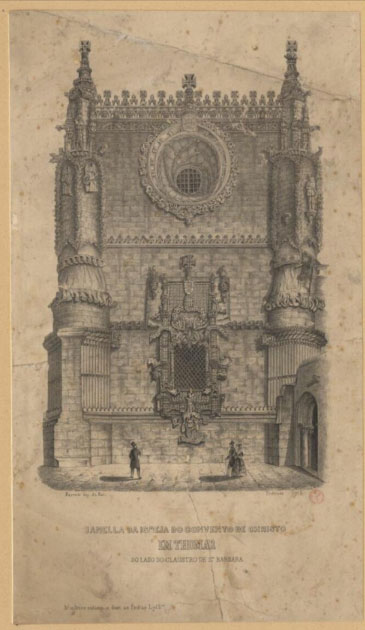
Ramalho Ortigão's Manueline: Aesthetics, Ideology, and Transgression
When Ramalho Ortigão affirms that the Tomar window is "the most eloquent, most convinced, most poetically patriotic, most tremblingly Portuguese …
Literary Note
The Tomar Window Under Ramalho Ortigão's Magnifying Glass
The famous window of the Chapter Room opens in the eastern façade of the Convent of Christ, facing east, in …
Literary Note
Legacy and Contemporary of Ramalho's Thought
When The Cult of Art in Portugal was published in 1896, it had all the characteristics of being just another …
Literary Note
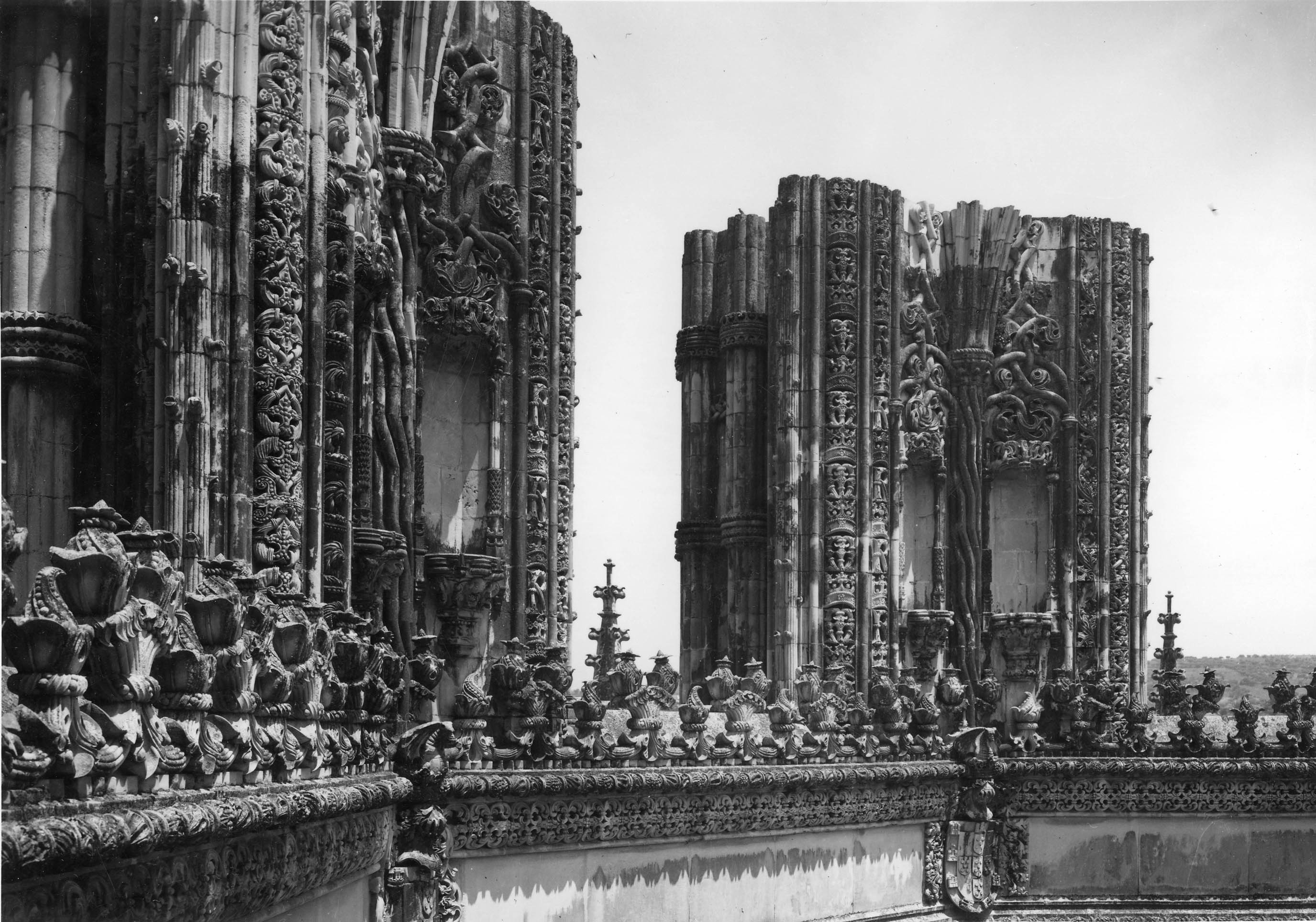
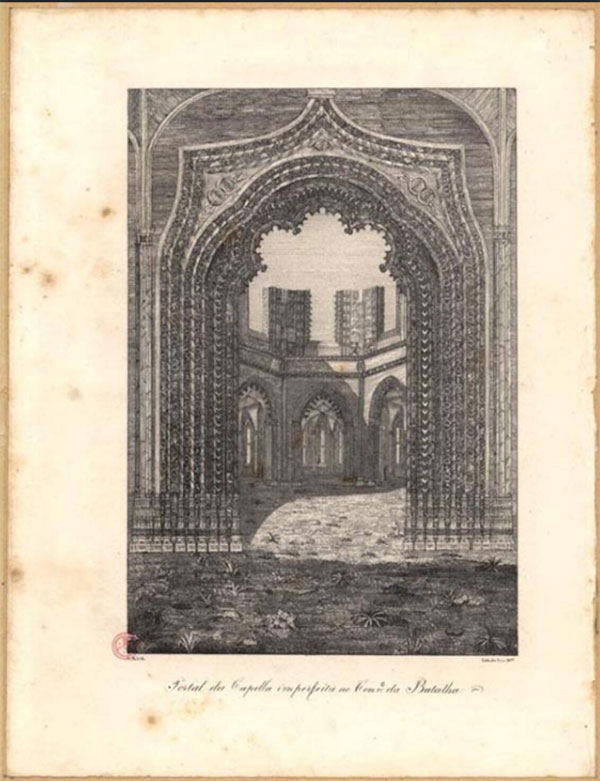
The Unfinished Chapels: An Incomplete Poem in Stone
If the Batalha Monastery was, for Ramalho Ortigão, "the great marble book, the immortal poem, the Portuguese Divine Comedy," then …
Literary Note
Ramalho's Heritage Pedagogy
But the most original—and perhaps most current—aspect of Ramalho Ortigão's thought resided in his pedagogical conception of heritage. For him, …
Literary Note
Ramalho and the Batalha Monastery as a Case Study
Half a century after King Ferdinand II's visit, Ramalho Ortigão found himself before the same monument, but at an even …
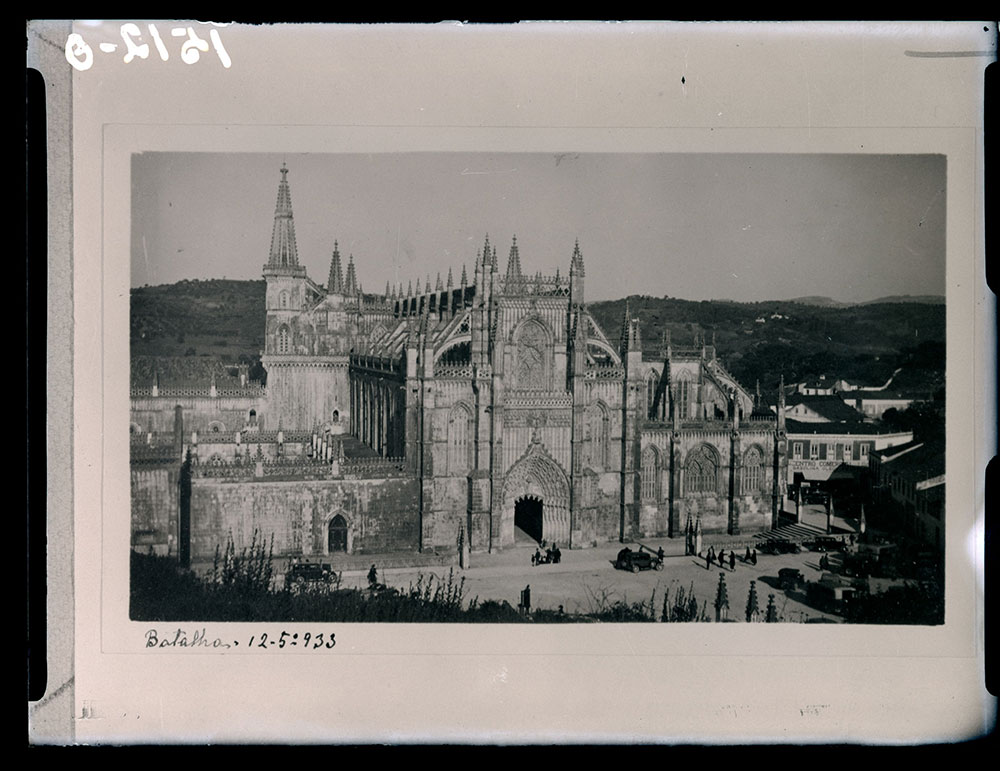
Literary Note
The Metaphor of Threatened Heritage
The contrast was devastating. On one side, the glory of the foundation: a victorious king, the greatest architects of Europe …
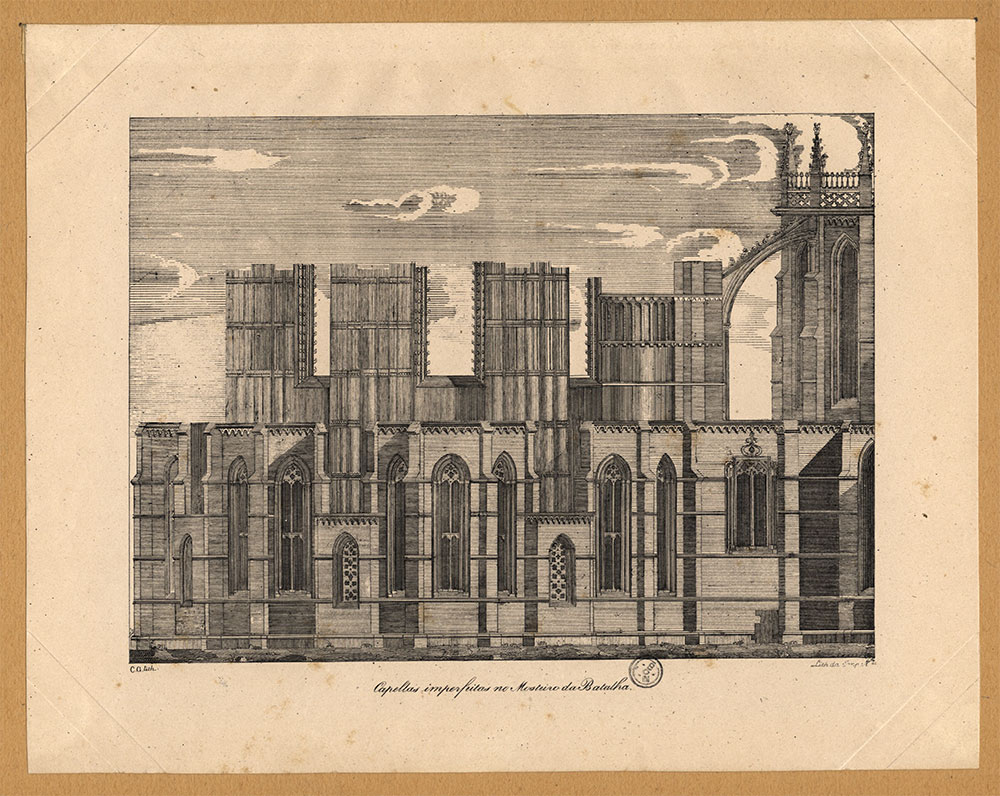
Literary Note
The Monastery of Santa Maria da Vitória: Historical and Symbolic Context
Among all Portuguese monuments, the Batalha Monastery occupied, for Ramalho Ortigão, a singular and almost sacred place.
Literary Note
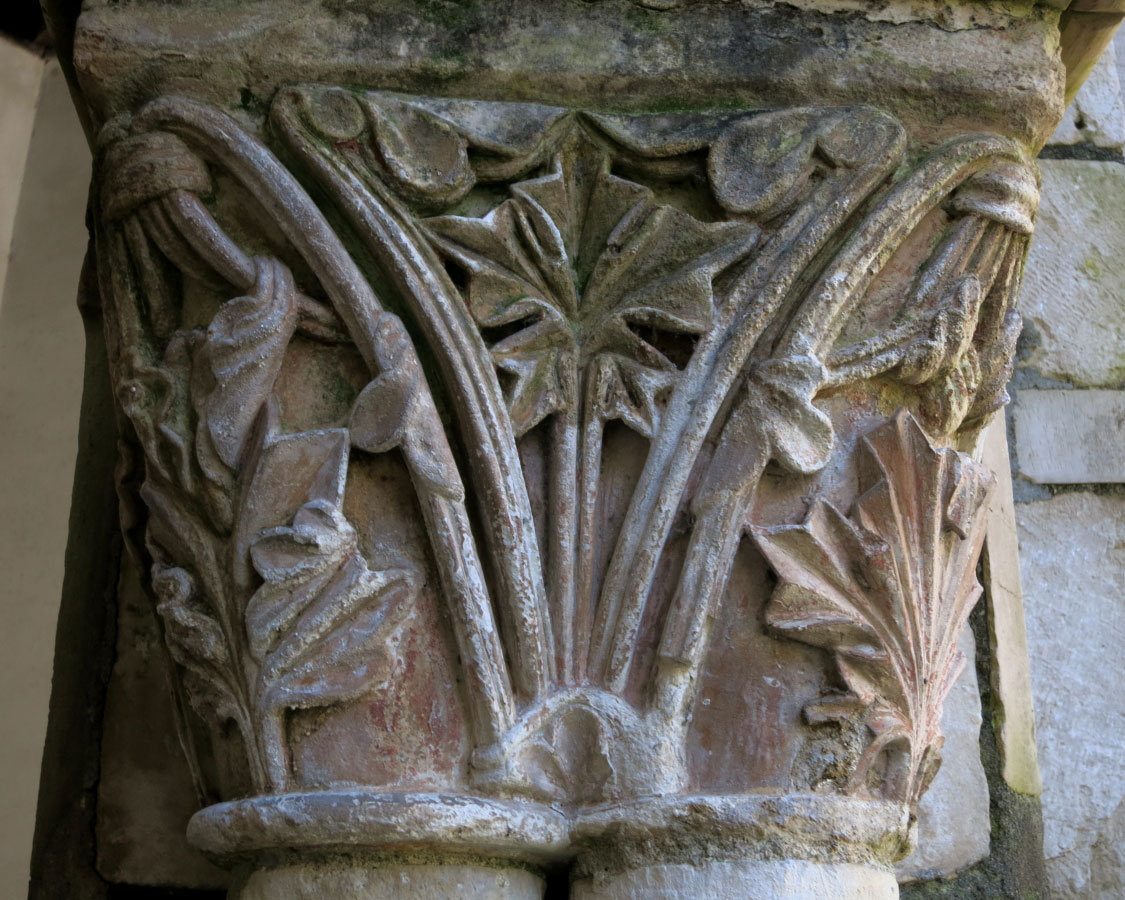
Cloisters of Celas Convent
When Ramalho Ortigão visited the Convent of Celas in the late 19th century, the small Cistercian monastery founded by D. …
Literary Note
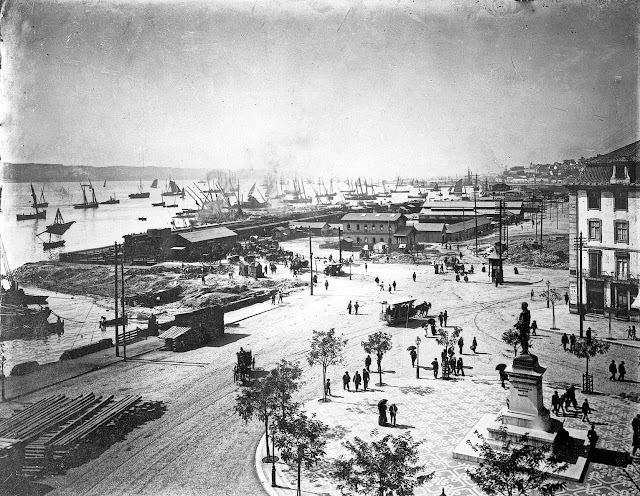
A Journey on the Tagus
When the steamer departs from Cais do Sodré toward Cascais on a September morning in 1876, the Tagus stretches before …
Biography
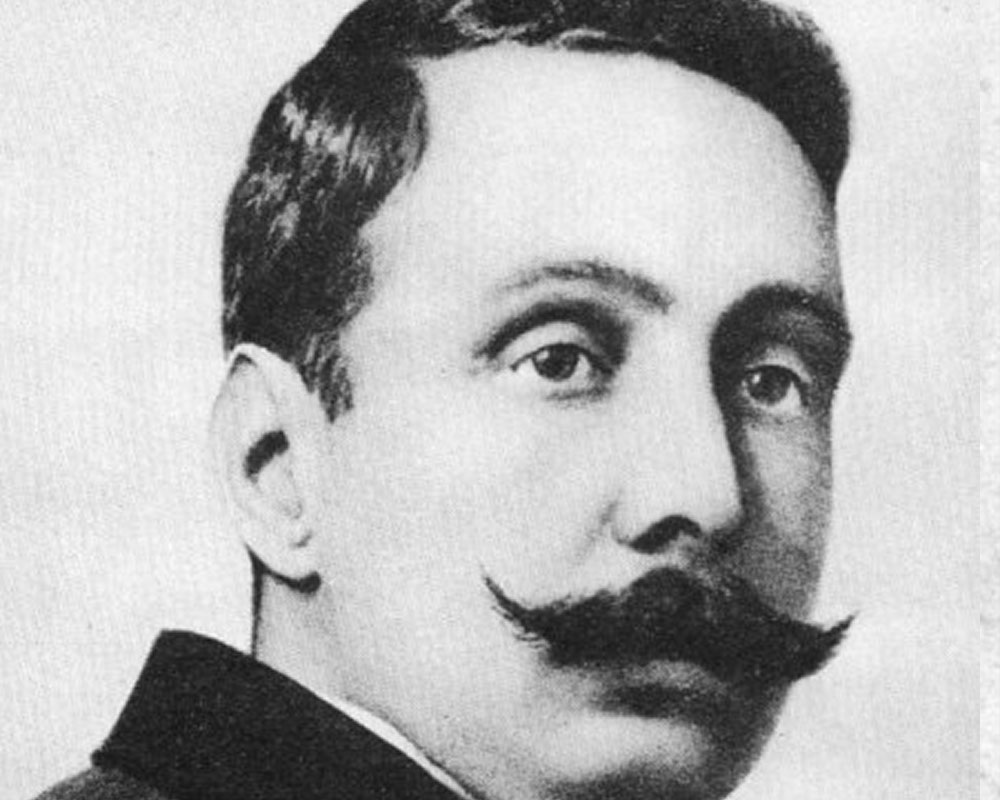
Raul Brandão: The Visionary of Foz
<p>On the modest Rua da Bela Vista, next to the Atlantic that bathes Foz do Douro, a boy was born …
Biography
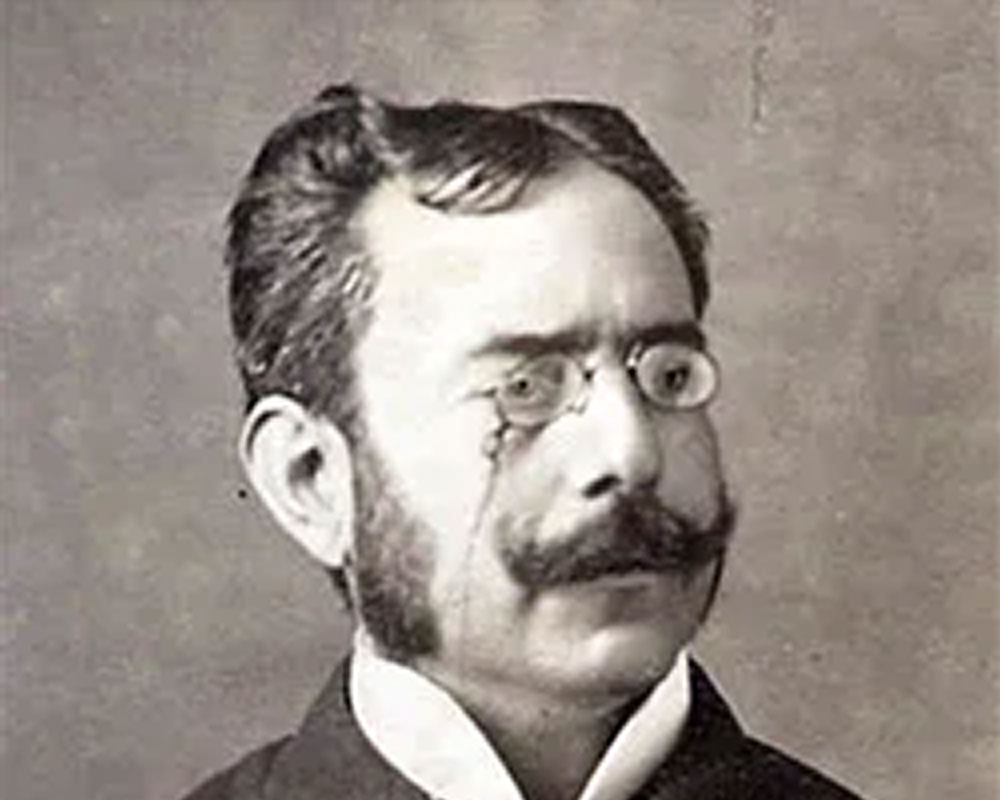
Ramalho Ortigão: A Life Between Letters and Travel
<p>When José Duarte Ramalho Ortigão died in 1915, at the age of 79, the journey of one of the most …
Literary Note
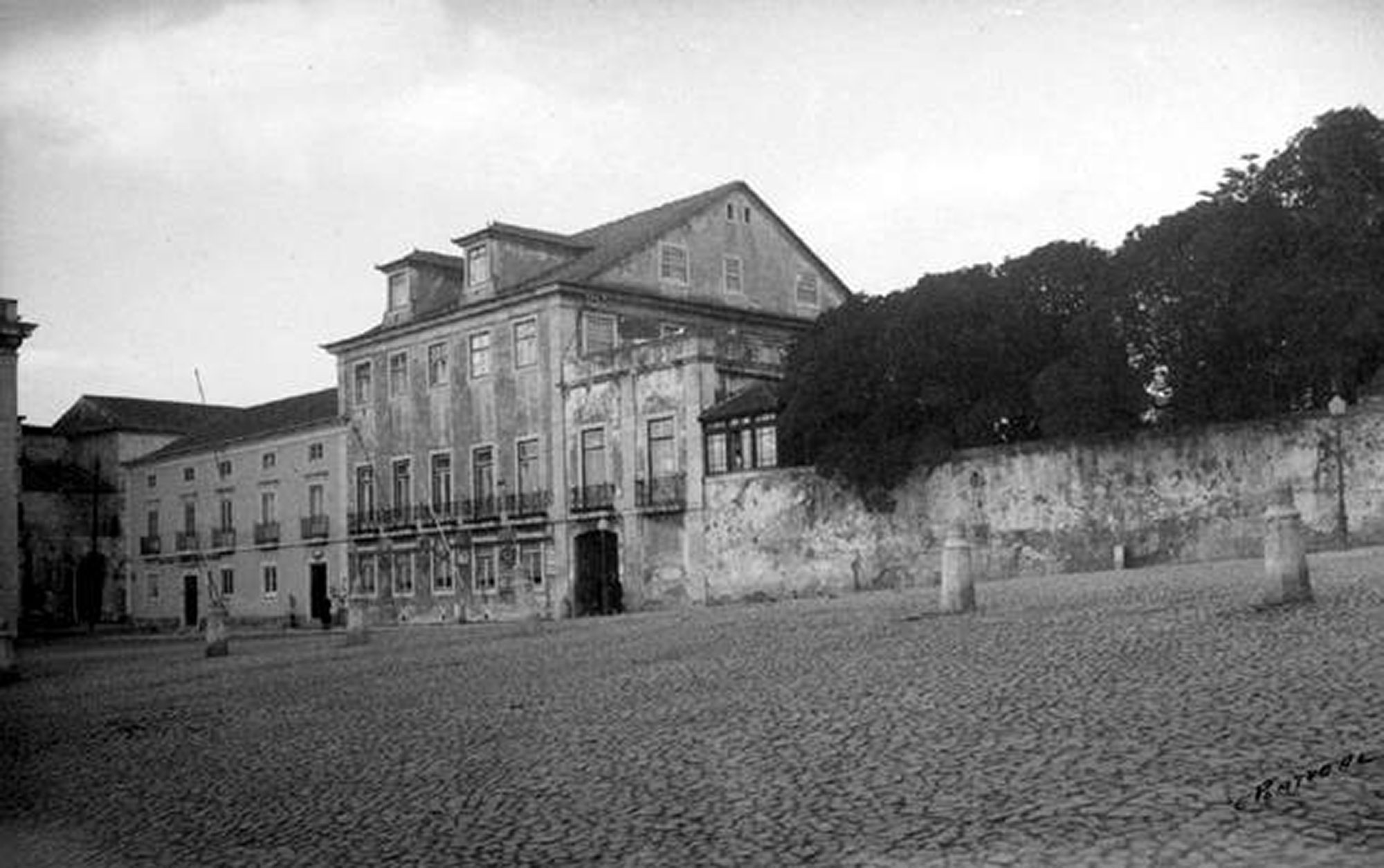
Largo dos Jerónimos
<p>When Ramalho Ortigão writes about the Jerónimos at the end of the nineteenth century, the monument faces a crucial question: …
Biography
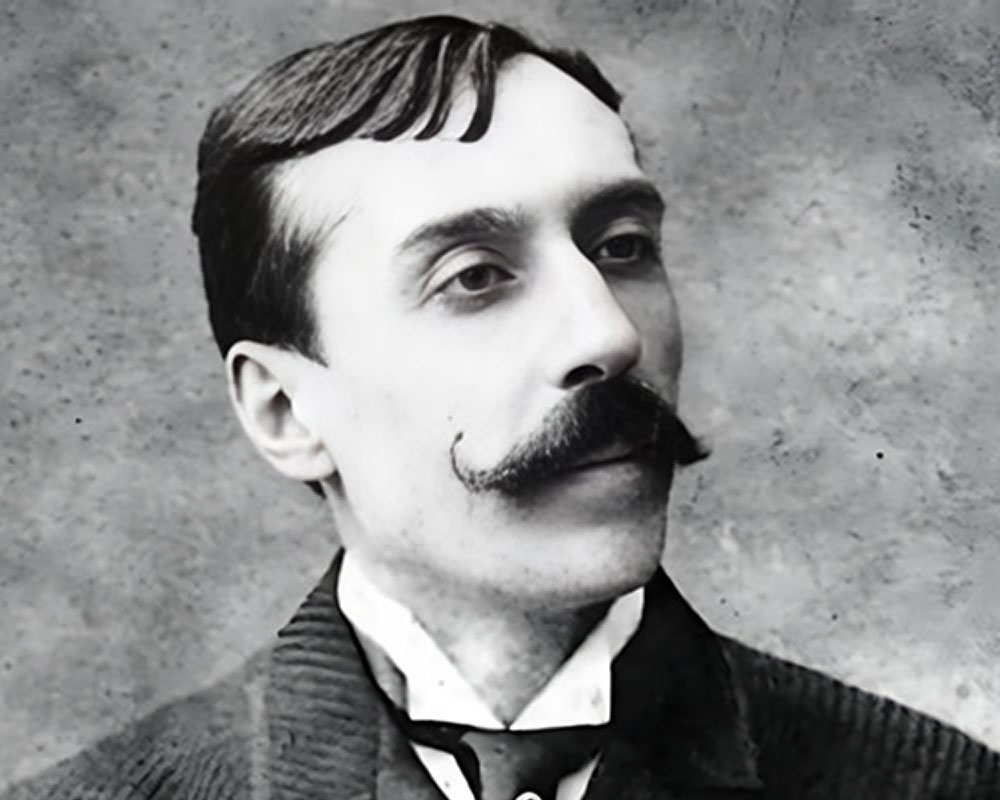
Eça de Queirós: The Diplomat
<p>On August 16, 1900, in a Parisian residence, José Maria Eça de Queirós expired, leaving unfinished a literary revolution that …
Authors
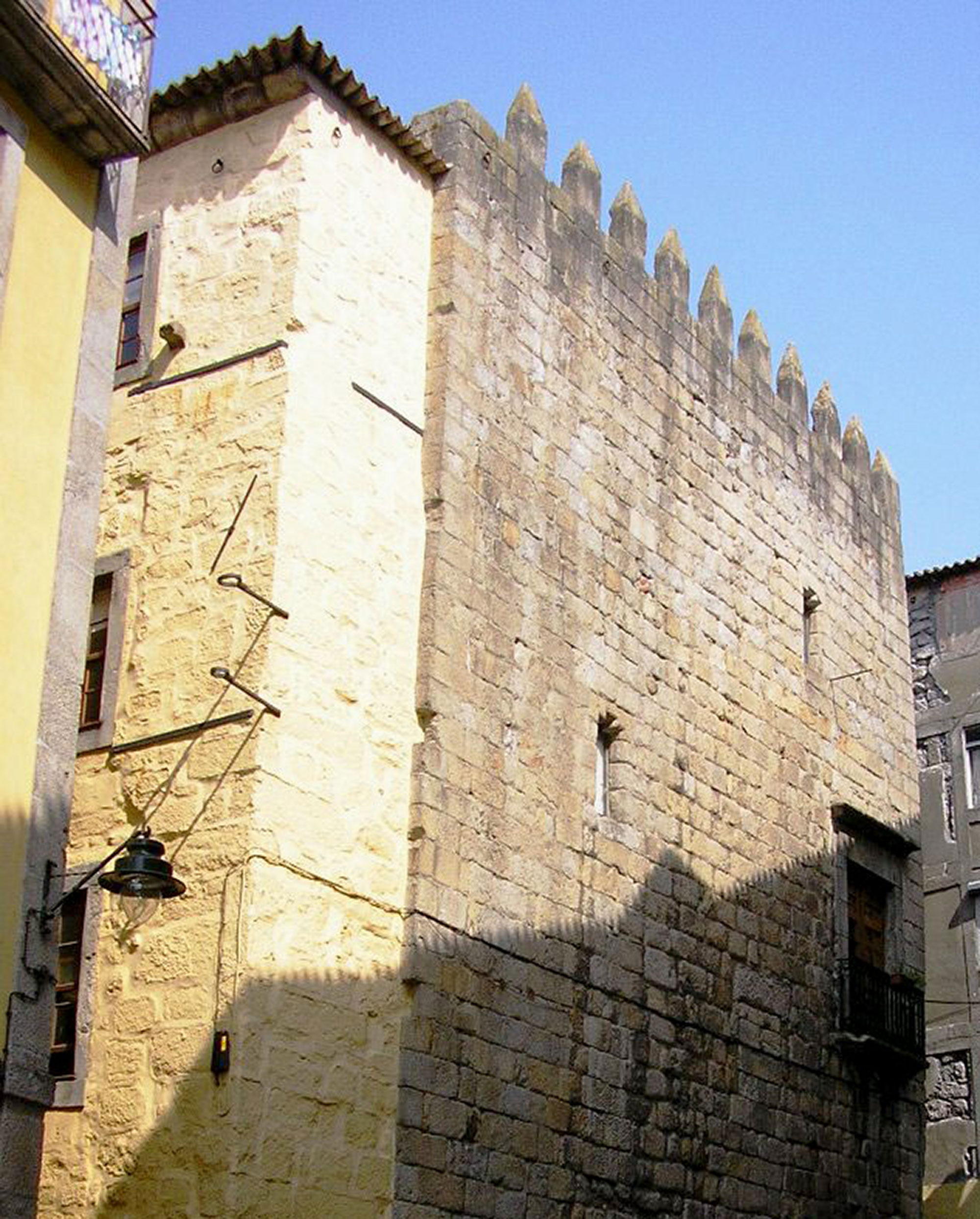
Ramalho Ortigão: A Defender of Porto's Heritage
Between medieval Porto and the cosmopolitan Porto of the late 19th century unfolded a tension that Ramalho Ortigão witnessed with …
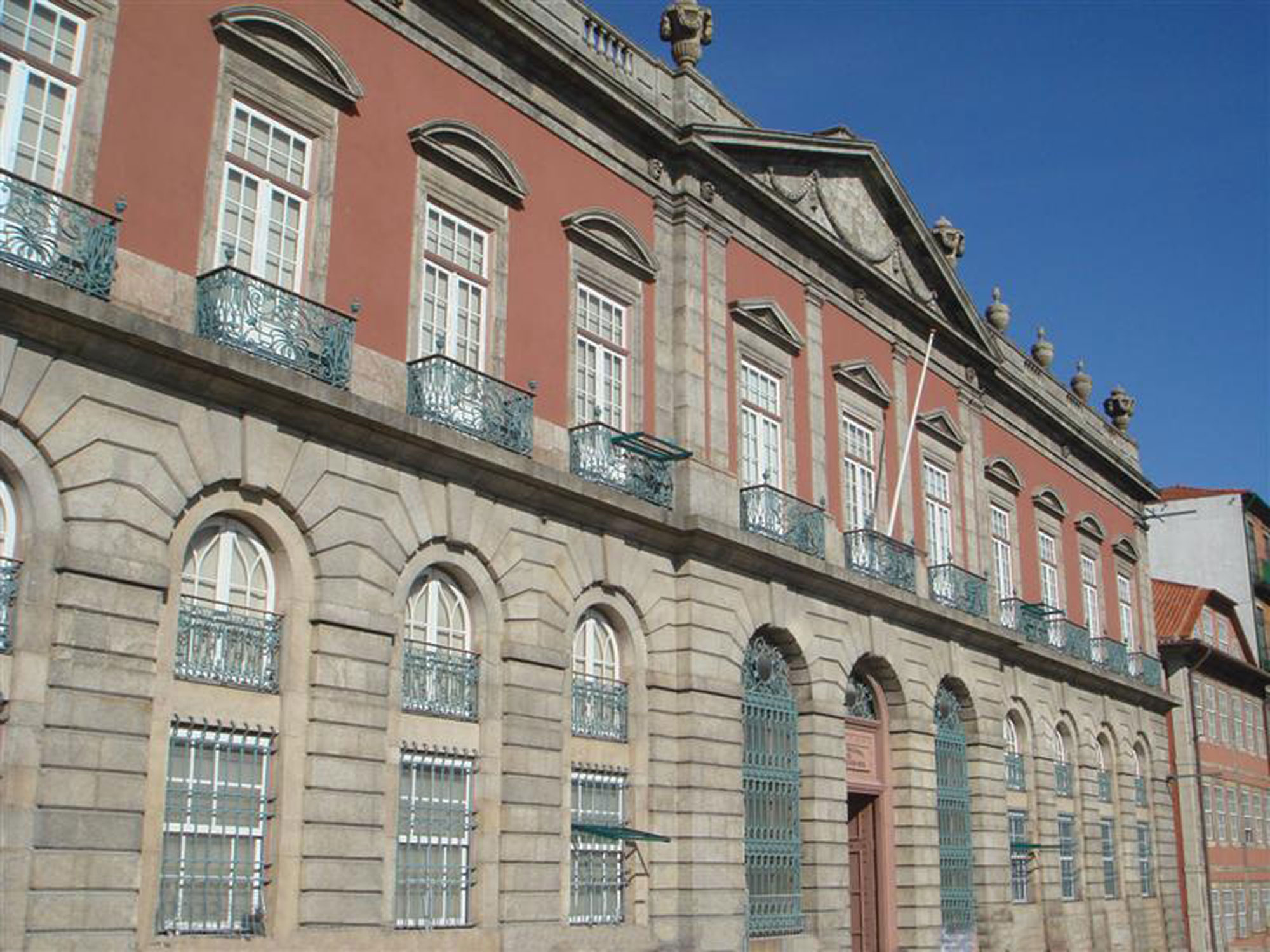
Authors
Ramalho Ortigão: Porto as Memory and Art
<p>As we traverse the vast gallery of paintings that Ramalho Ortigão created of nineteenth-century Porto, one conclusion imposes itself: the …
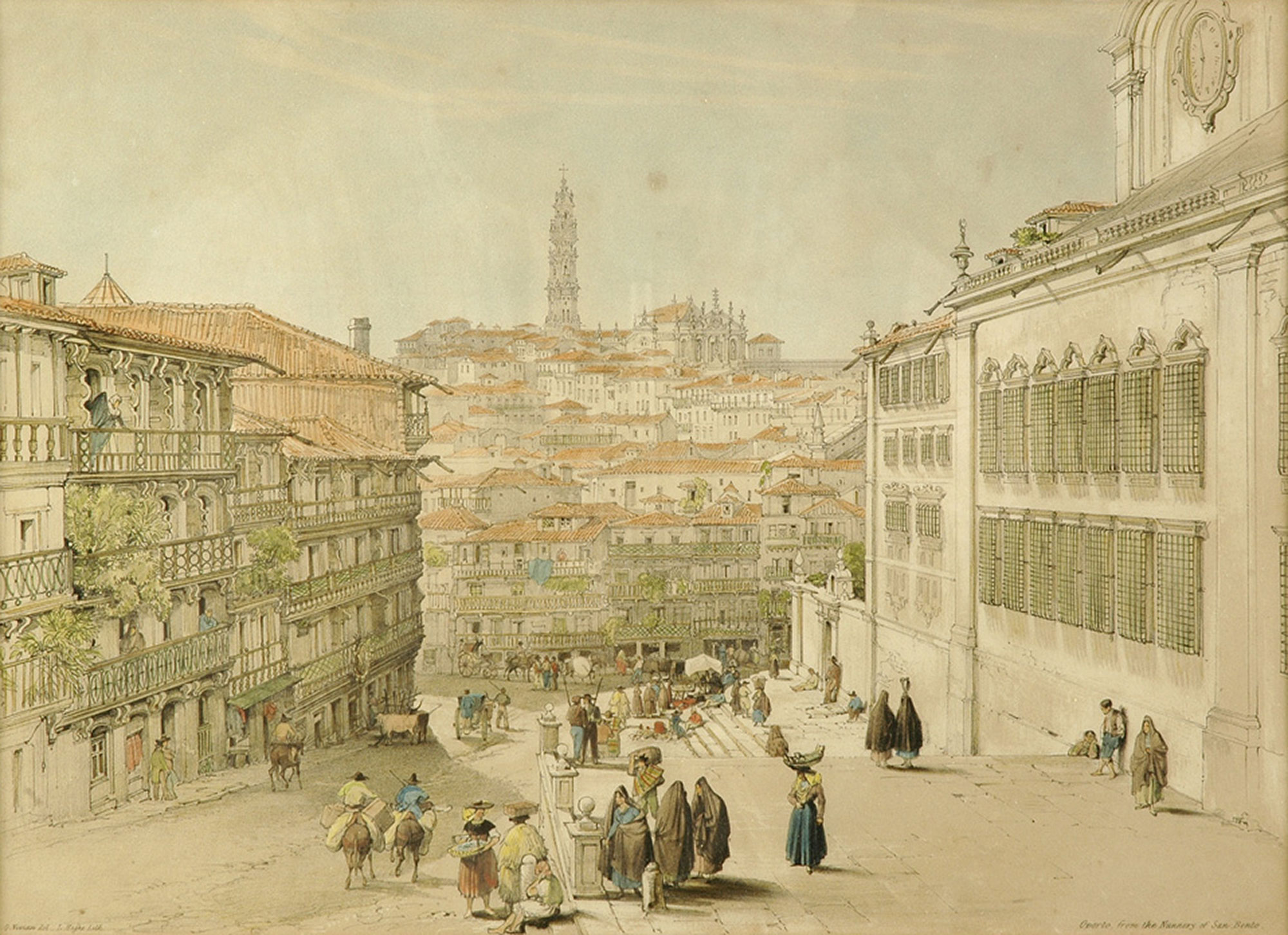
Authors
Ramalho Ortigão: Portraits of Porto Society
<p>Porto society in the second half of the nineteenth century presented itself to Ramalho Ortigão's eyes as a deeply contradictory …
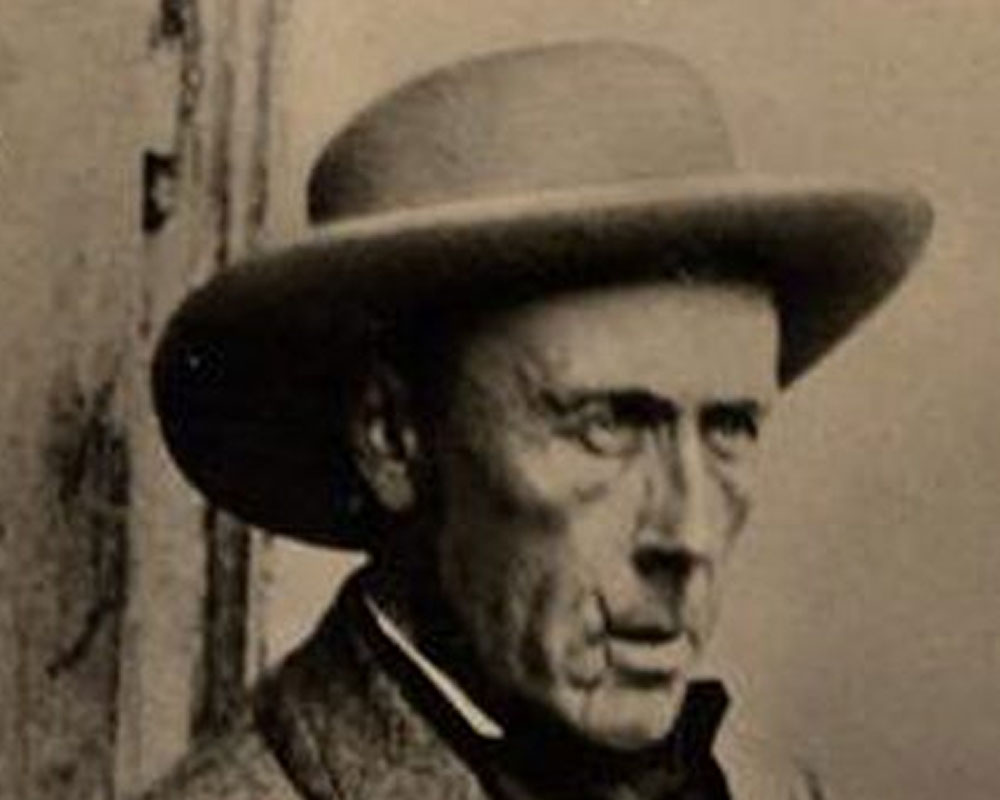
Biography
Herculano and Portuguese History
<p>When Alexandre Herculano's mortal remains were solemnly transferred to the Jerónimos Monastery in 1888, eleven years after his death, Portugal …
Authors
Ramalho Ortigão: the writer of Porto
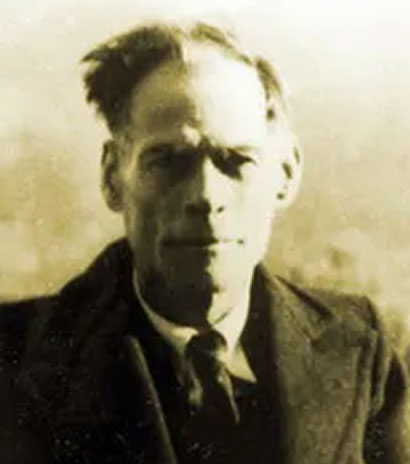
<p>José Duarte Ramalho Ortigão was born in Porto on 24 November 1836, in a house on Rua de Germalde, in …