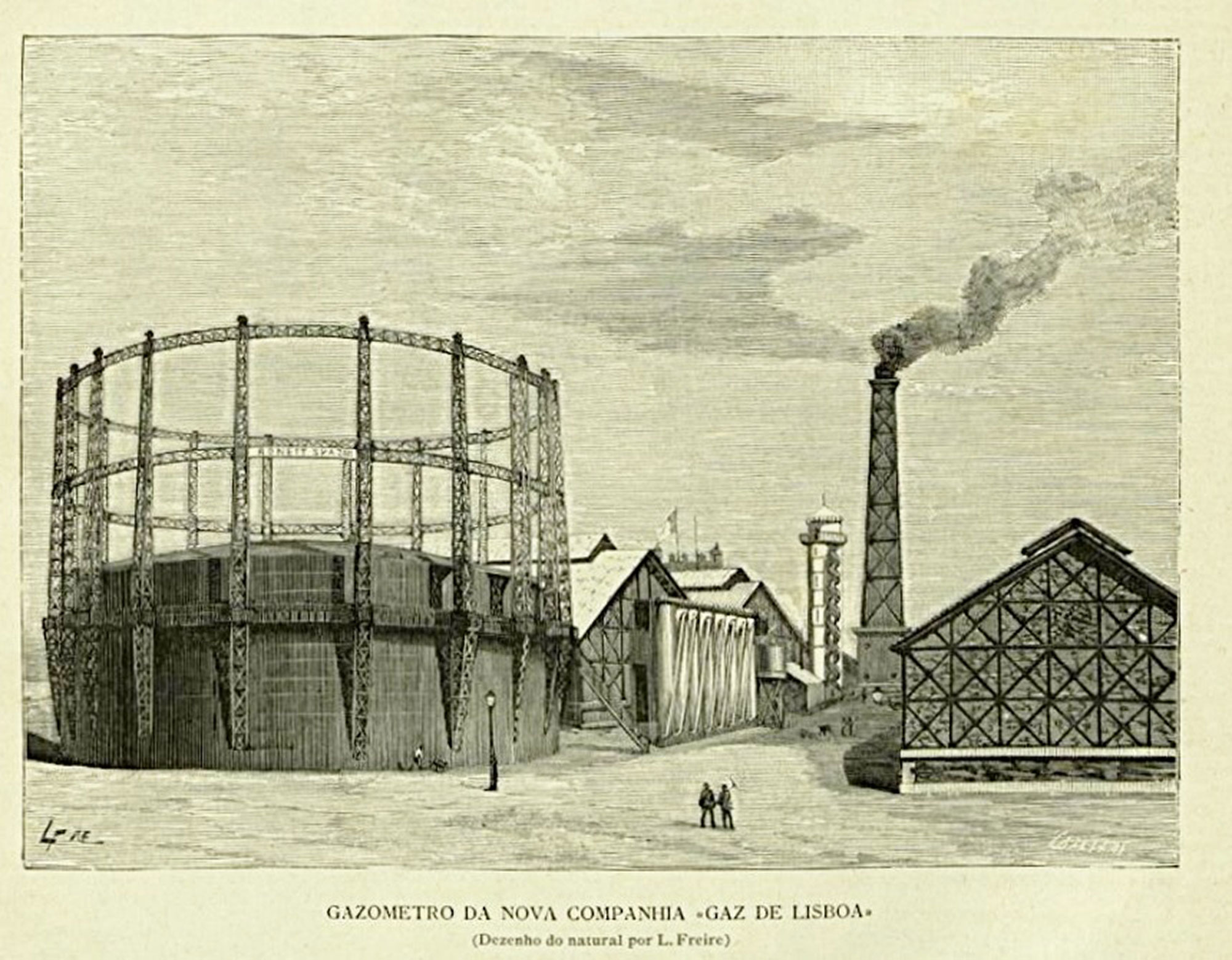
At the Aterro, the "tall and slender chimneys plumed with smoke" announce the arrival of modern industry: the artificial ice factory, the gasometer, the steam sawmill. Nearby, the Grande Hotel Central offers a bathhouse and French restaurant, while the English flag flutters at the Bragance Hotel. American carriages pulled by Brazilian mules run on modern rails, splashing the quay with vibrant colours. This is the scene that Ramalho describes in 1876, in a Lisbon that seeks to prove to the world that "something has been done in these three centuries" since the Discoveries.
The tone of the excerpt is paradoxical: there is in it an enthusiasm for cosmopolitan modernity, but also a subtle irony about a country that lives by remembering ancient deeds. Ramalho celebrates the symbols of technical progress – steam, gas, iron – but the final phrase reveals the melancholy of one who recognises that Portugal limits itself to celebrating the past while others build the future. Two decades later, this enthusiasm would turn to indignation when, in 1896, the writer violently denounces the installation of the Gas Factory next to the Belém Tower, the supreme symbol of national glory, now "masked with coal like a carnival fool". The heritage issue would reveal to him the limits of a progress that destroys memory.
, the Aterro no longer displays the industrial chimneys that Ramalho observed. The Belém Gas Factory was finally removed in 1928, after decades of protests, and the cosmopolitan hotels have disappeared. But walking along the bank of the Tagus between Belém and Cais do Sodré, it is worth reflecting on this never-resolved tension between modernisation and preservation, progress and identity. With "Ramalho's eyes", the visitor can ask: what chimneys do we accept to erect today beside our monuments? What future do we build without erasing the past?