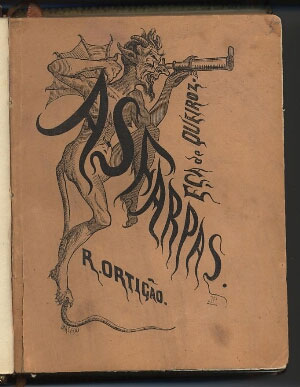
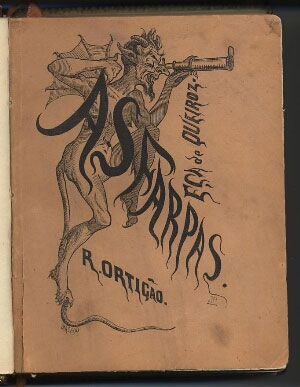
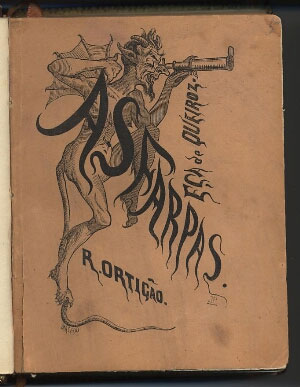
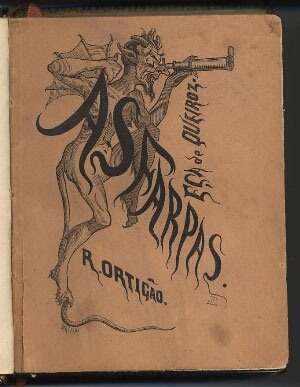
As Farpas I
1986
Explore os lugares associados a este autor





When Ramalho Ortigão observes Viana do Castelo in the late nineteenth century, he finds a city living off the splendor …
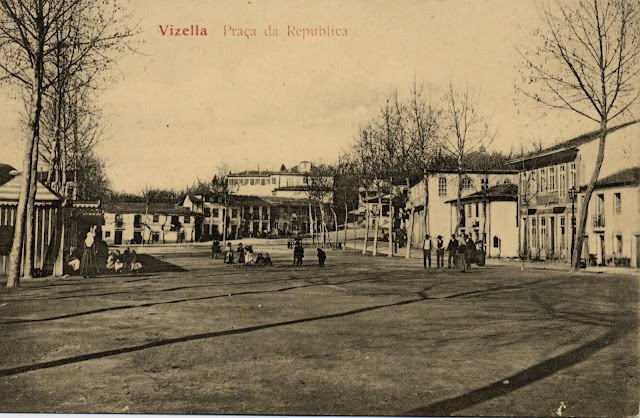
When Ramalho Ortigão arrived at Caldas de Vizela eighteen years earlier, in early June in the mid-nineteenth century, he did …
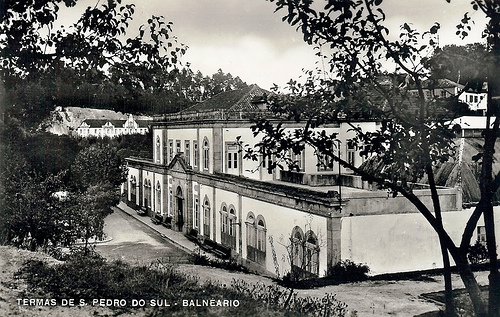
When Ramalho Ortigão arrived in São Pedro do Sul, still in the late nineteenth century, he did so after an …
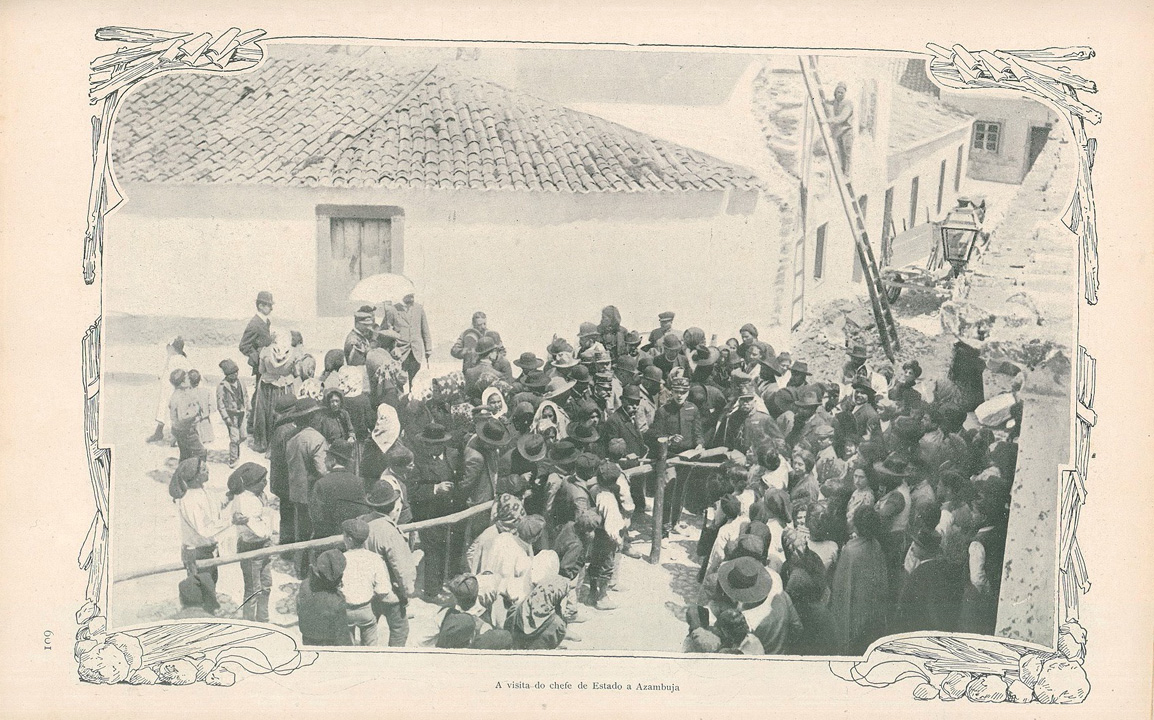
When Ramalho Ortigão crosses Azambuja in the late nineteenth century, he finds a Ribatejo landscape in full threshing season: "in …
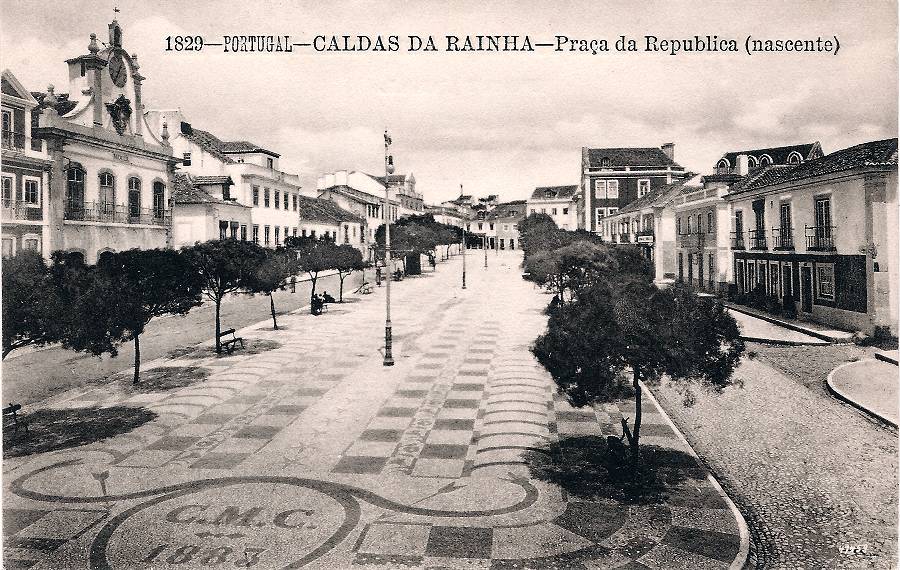
In the late nineteenth century, Caldas da Rainha presented itself as "the beautiful town" that in Portugal "most resembles the …
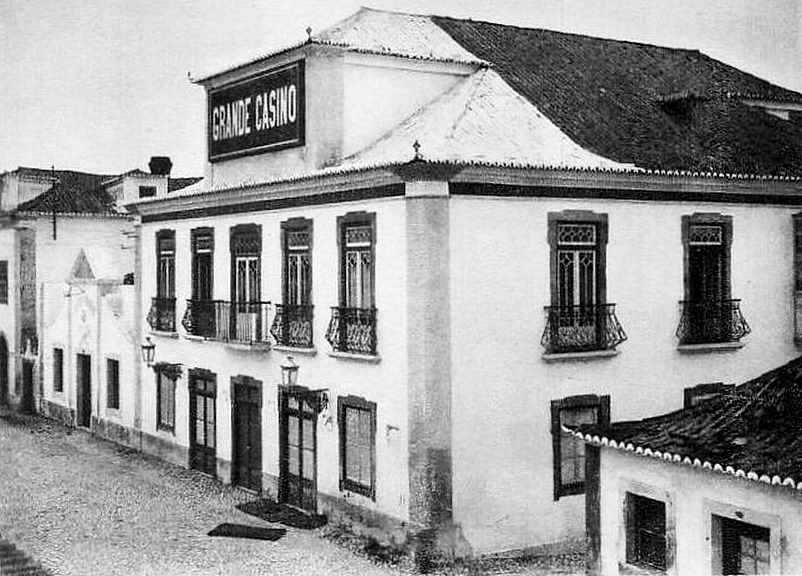
When Ramalho Ortigão visits Ericeira outside the bathing season, in the late nineteenth century, he finds a town that surprises …
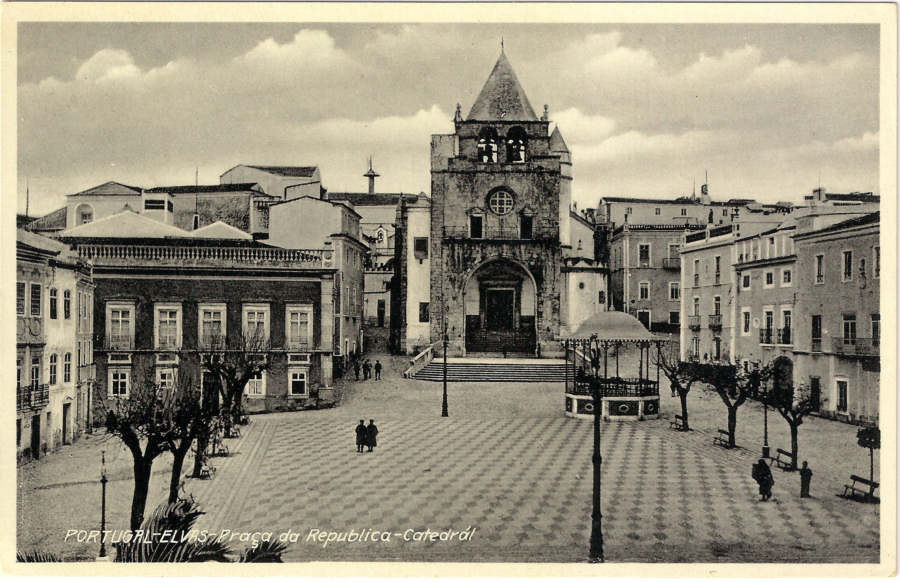
When Ramalho Ortigão contemplates the Elvas Aqueduct in the late nineteenth century, he sees much more than a hydraulic engineering …
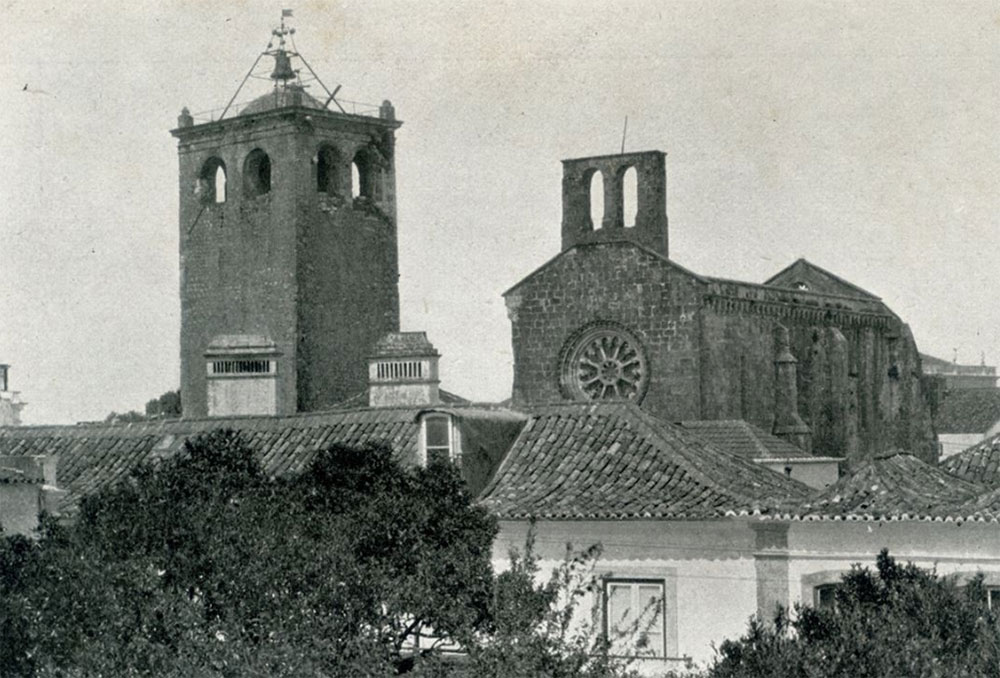
In 1785, when Queen Maria I announced her visit to Santarém, the Scalabitan councilors faced a problem of geometry and …
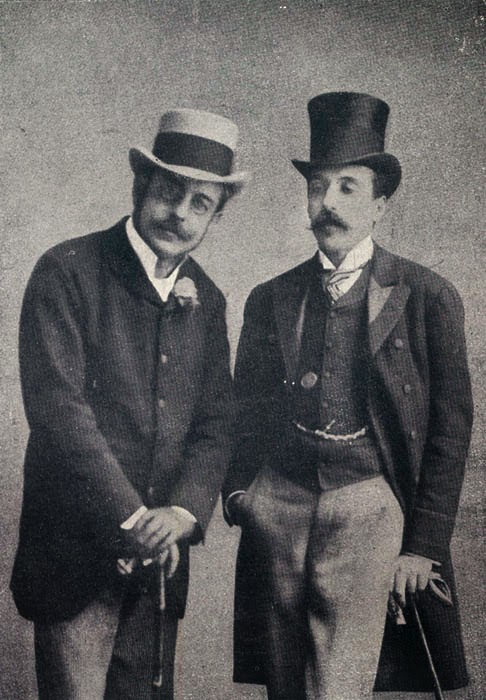
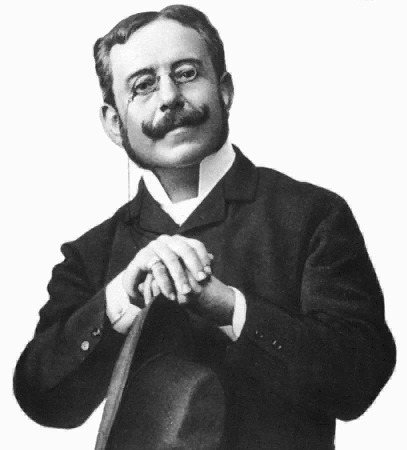
José Duarte Ramalho Ortigão was born on November 24, 1836, in the house of Germalde, in the parish of Santo …
When Ramalho Ortigão affirms that the Tomar window is "the most eloquent, most convinced, most poetically patriotic, most tremblingly Portuguese …
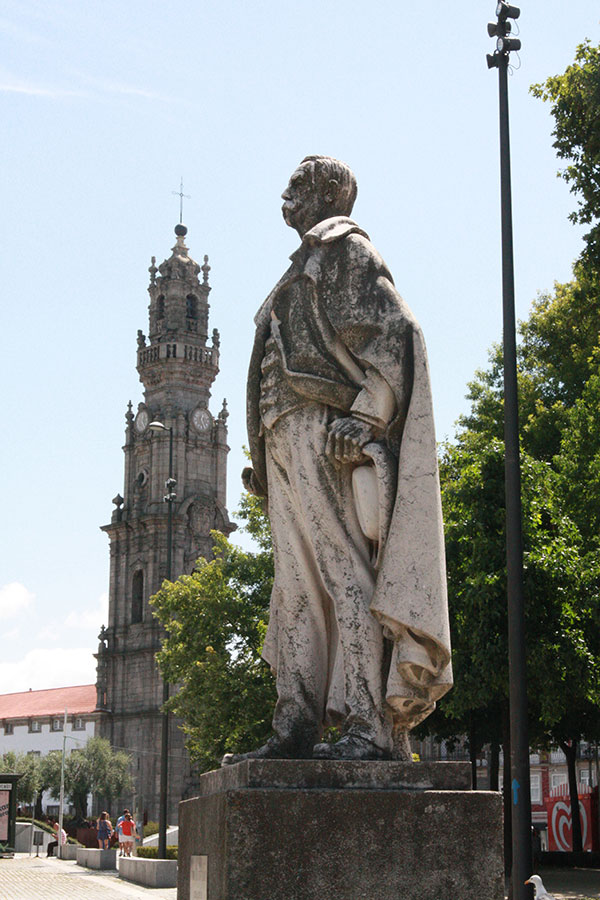
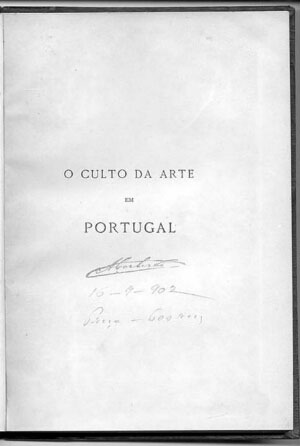
When The Cult of Art in Portugal was published in 1896, it had all the characteristics of being just another …
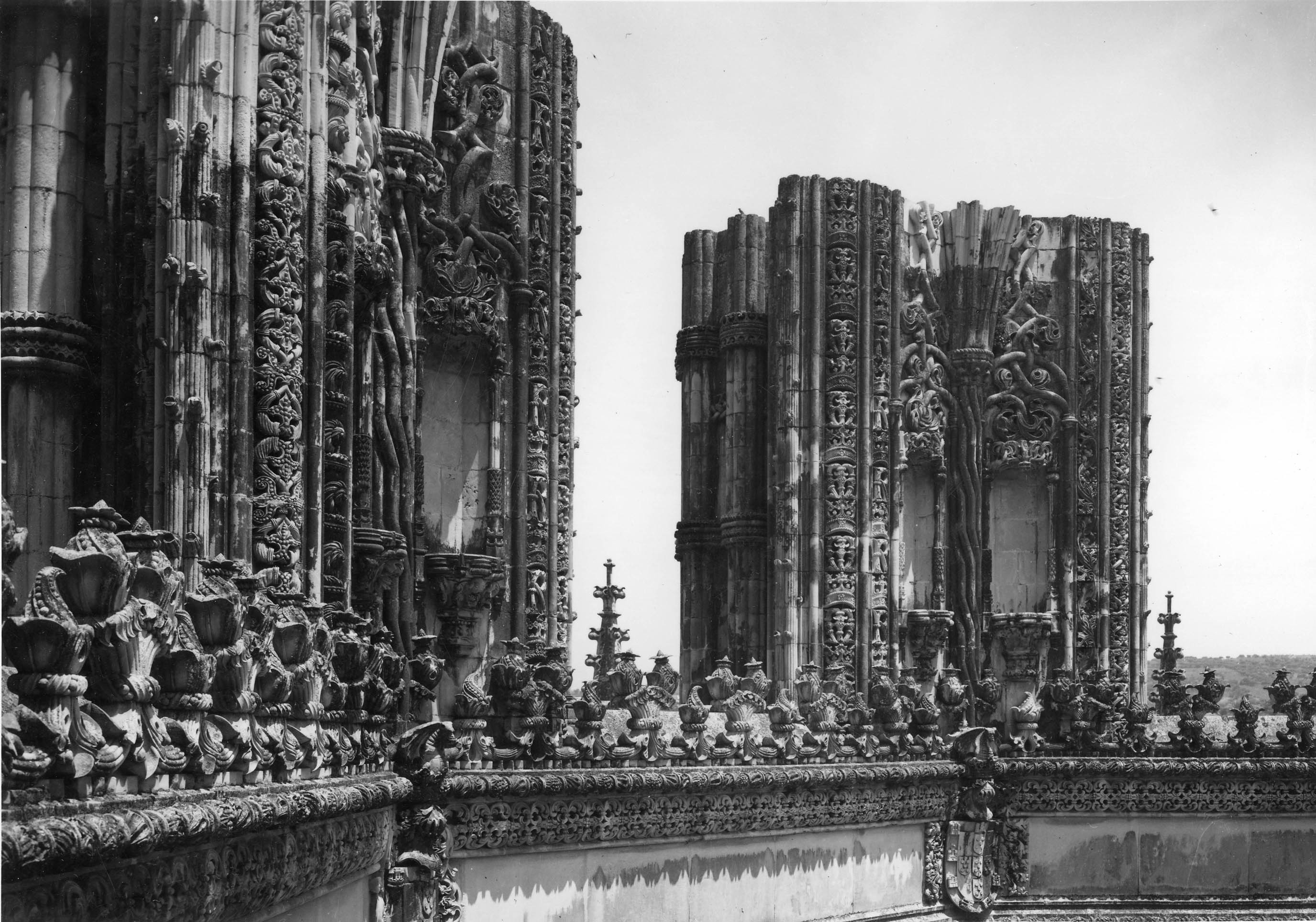
If the Batalha Monastery was, for Ramalho Ortigão, "the great marble book, the immortal poem, the Portuguese Divine Comedy," then …
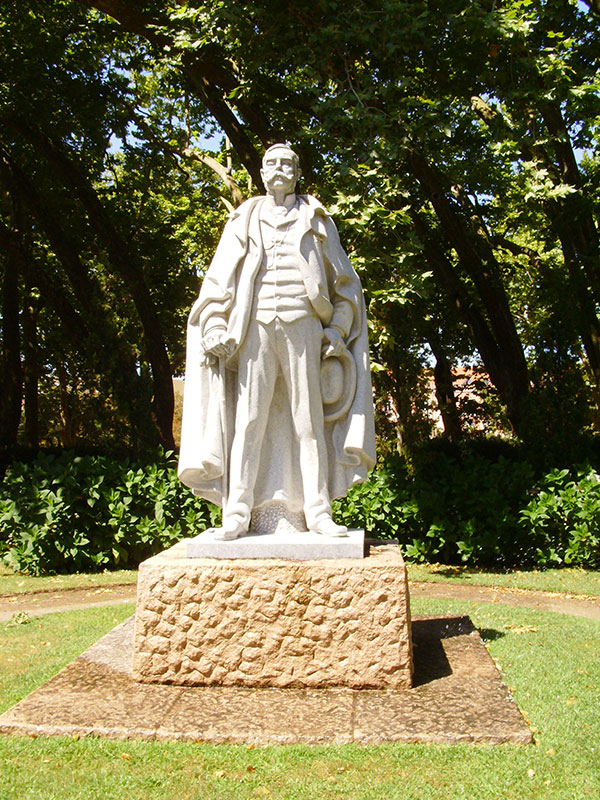
But the most original—and perhaps most current—aspect of Ramalho Ortigão's thought resided in his pedagogical conception of heritage. For him, …
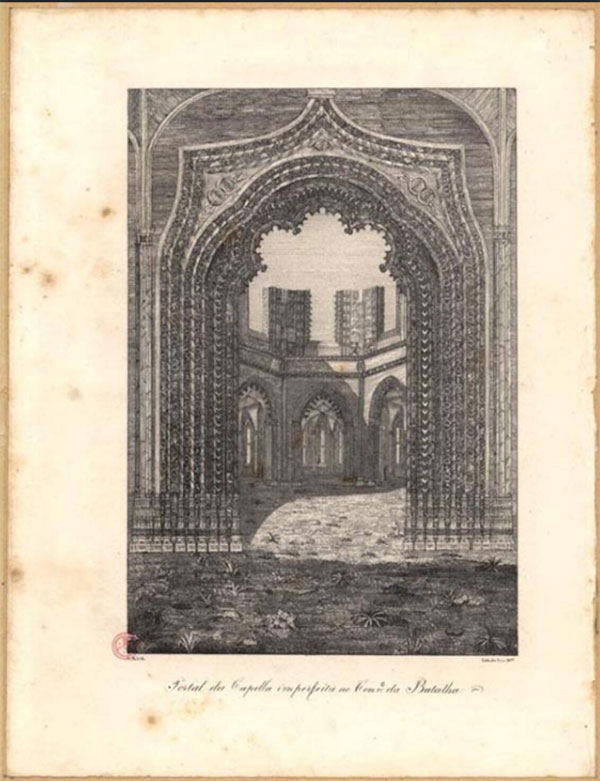
Half a century after King Ferdinand II's visit, Ramalho Ortigão found himself before the same monument, but at an even …
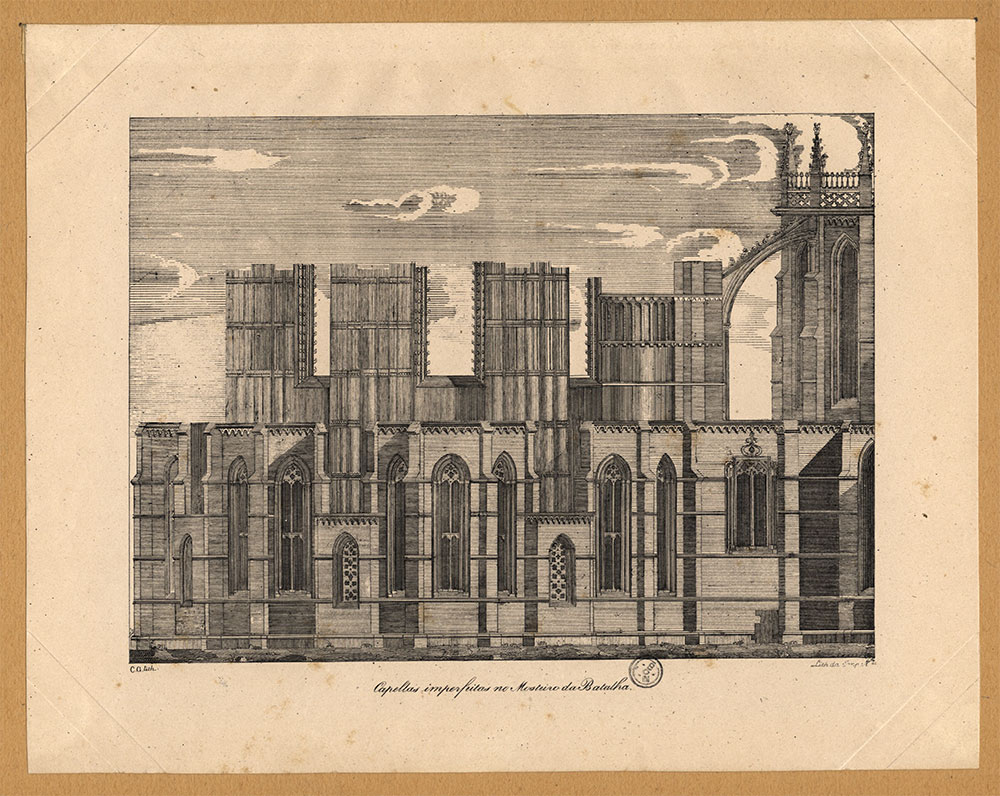
Among all Portuguese monuments, the Batalha Monastery occupied, for Ramalho Ortigão, a singular and almost sacred place.
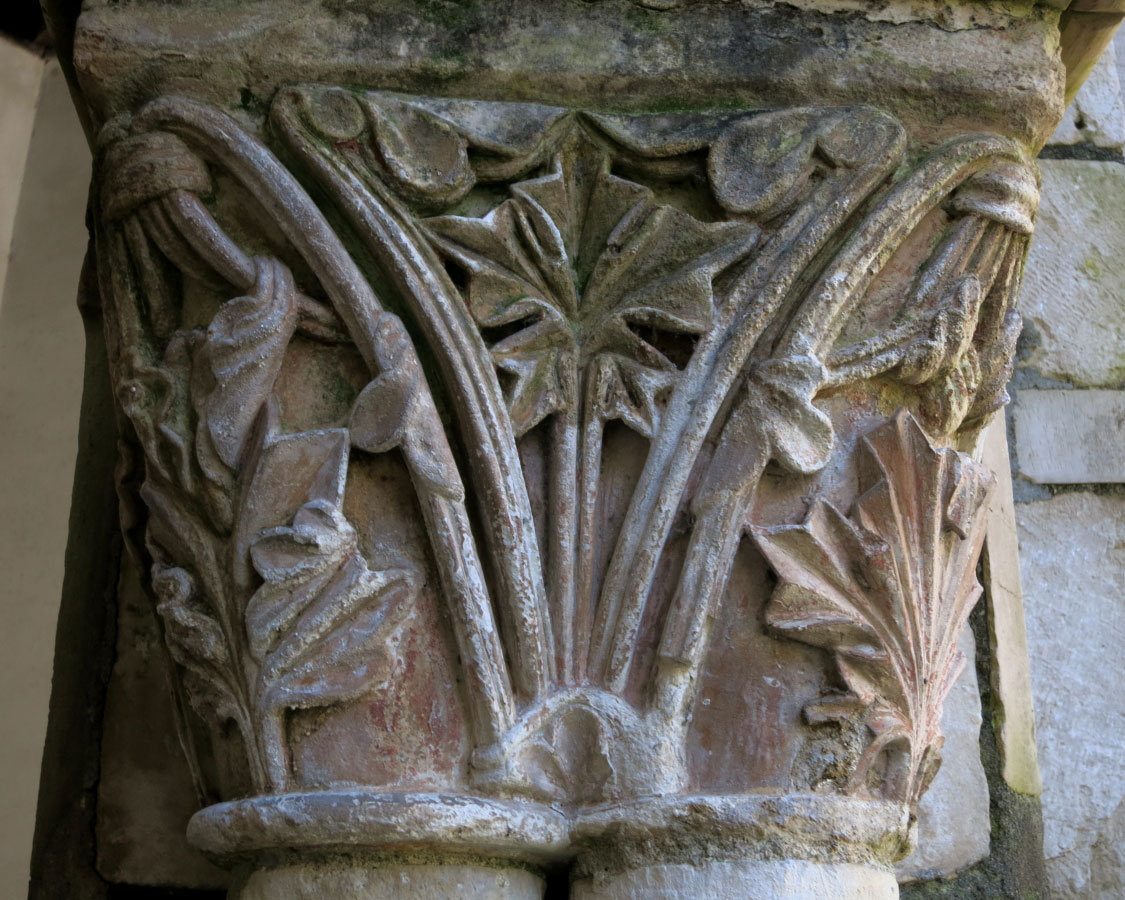
When Ramalho Ortigão visited the Convent of Celas in the late 19th century, the small Cistercian monastery founded by D. …
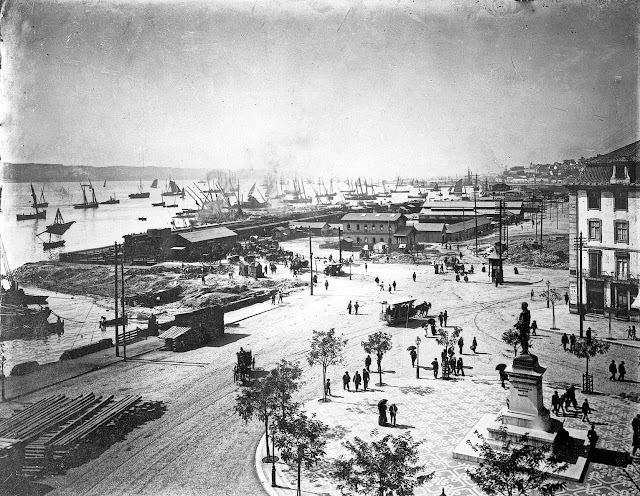
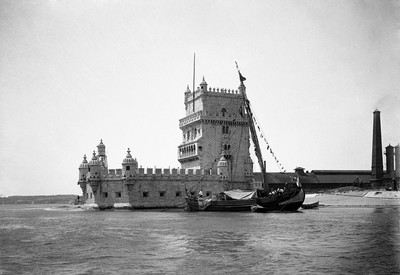
When the steamer departs from Cais do Sodré toward Cascais on a September morning in 1876, the Tagus stretches before …
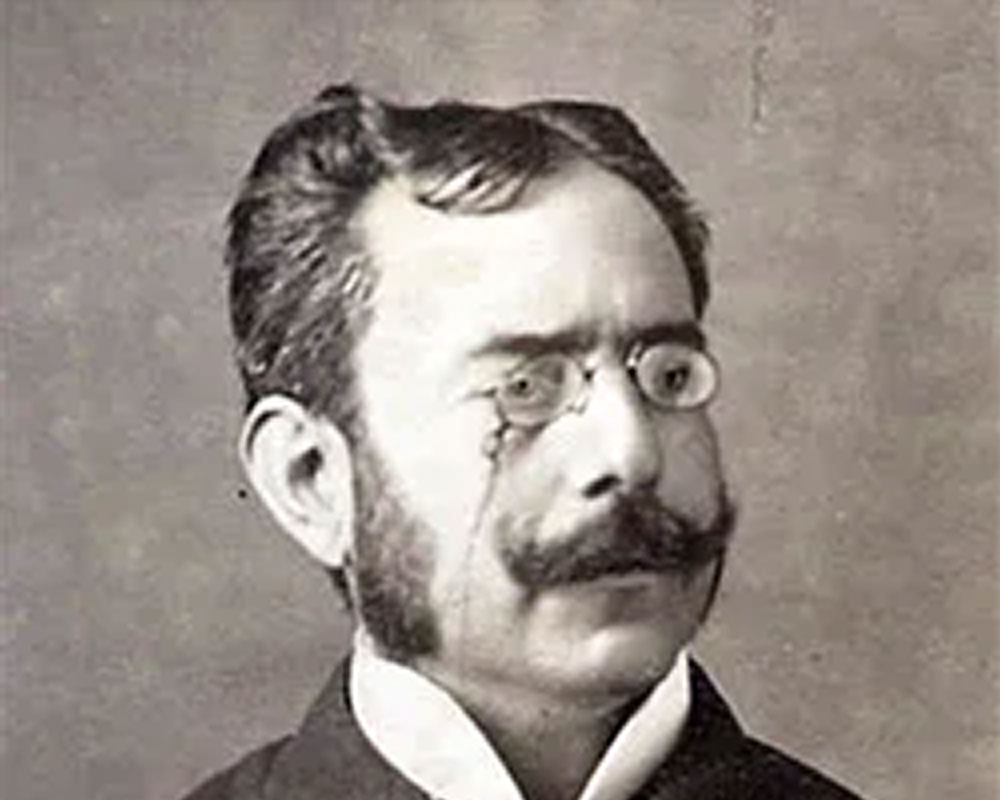
<p>When José Duarte Ramalho Ortigão died in 1915, at the age of 79, the journey of one of the most …
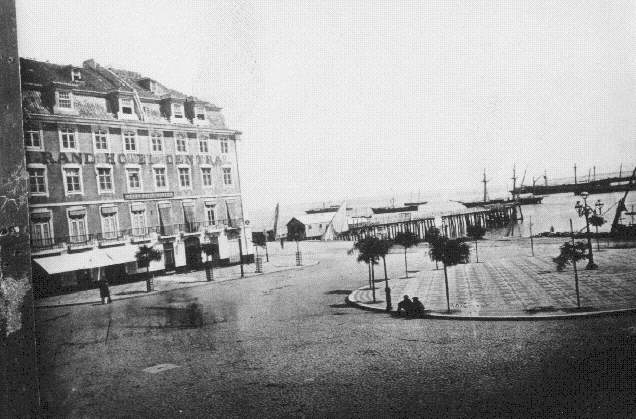
<p>When Ramalho Ortigão invites the reader to take what he calls <i>o mais belo dos passeios permitidos ao habitante de …
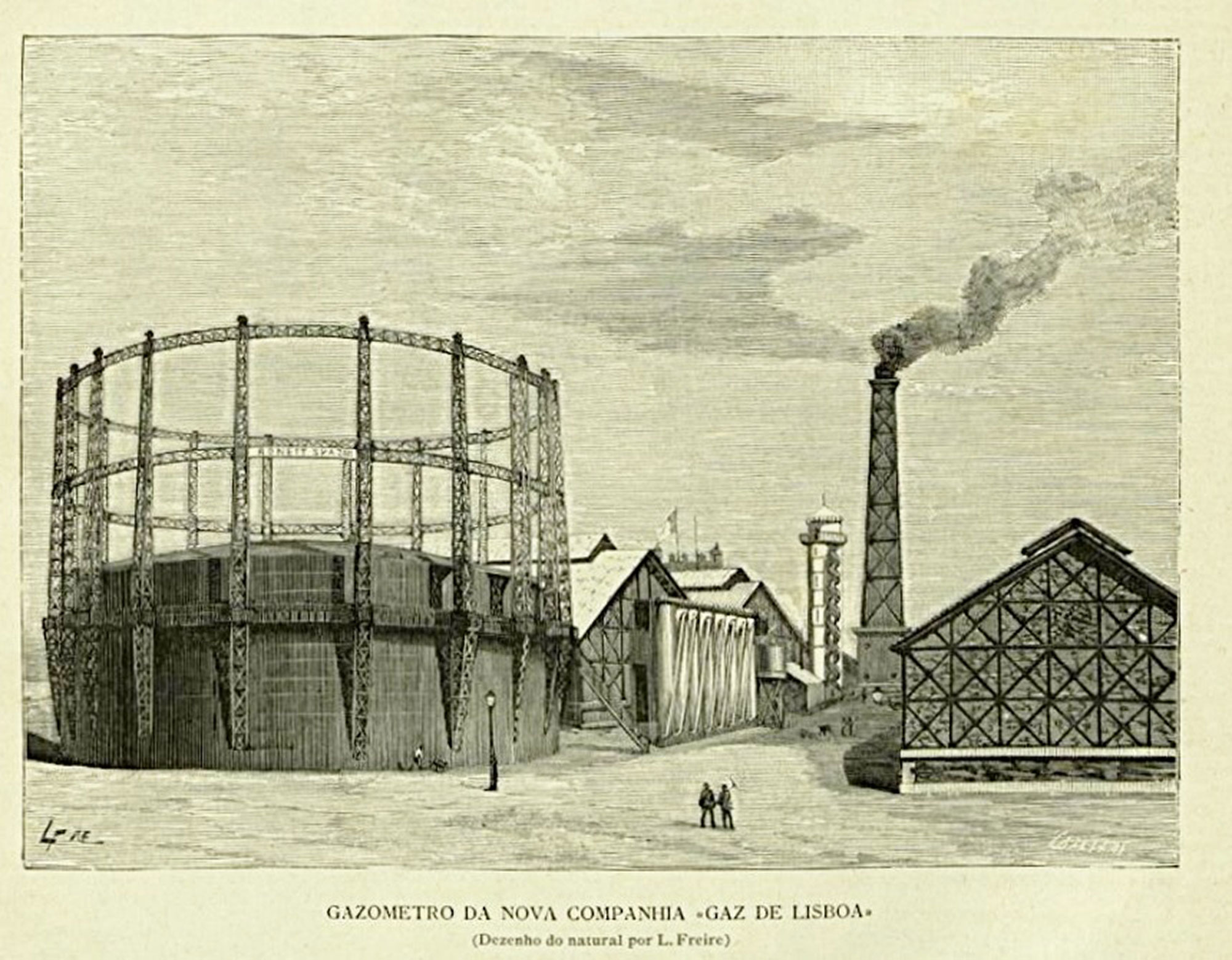
<p>When the steamer departs from Cais do Sodré towards Cascais, the northern bank of the Tagus reveals to the nineteenth-century …
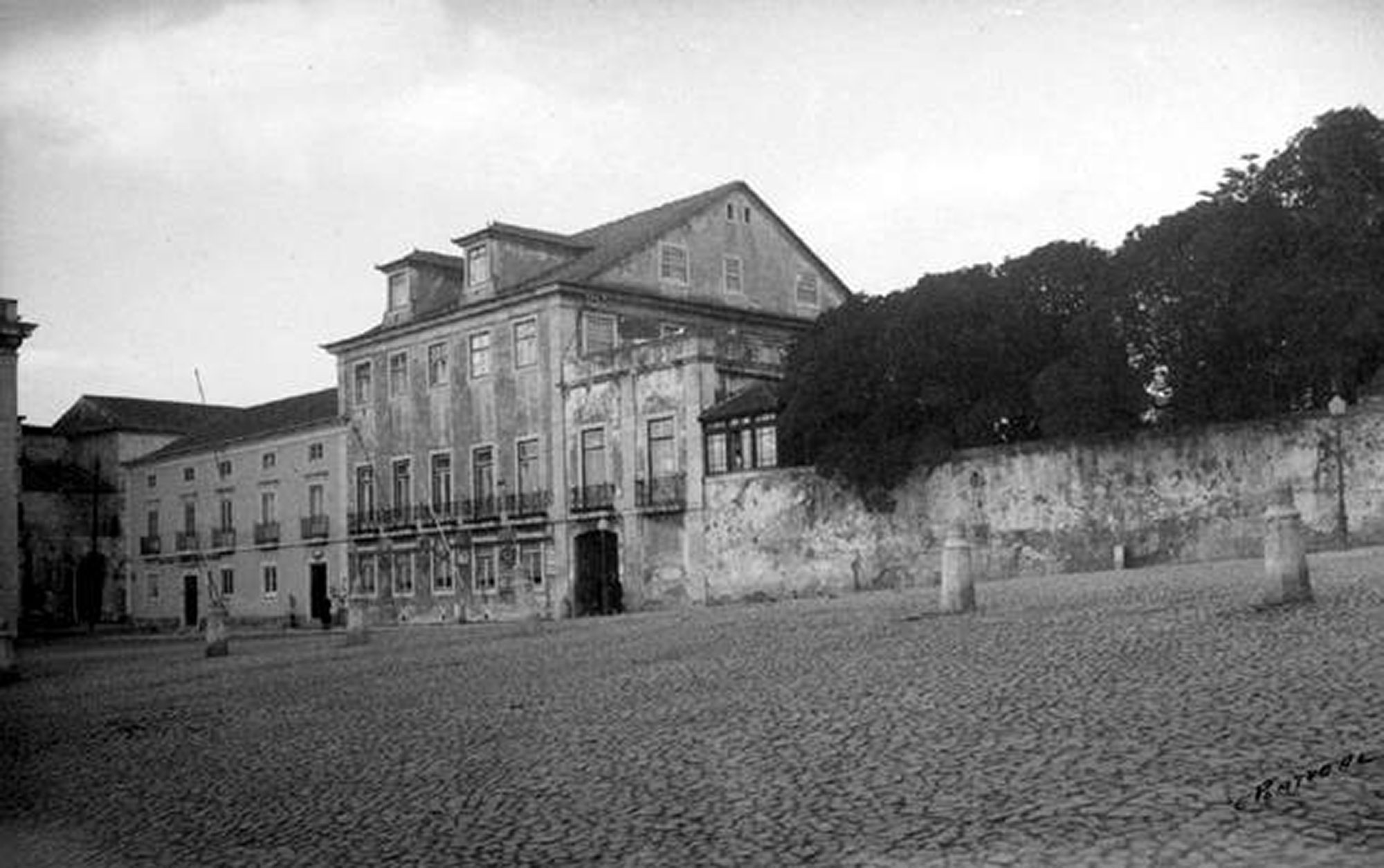
<p>When Ramalho Ortigão writes about the Jerónimos at the end of the nineteenth century, the monument faces a crucial question: …
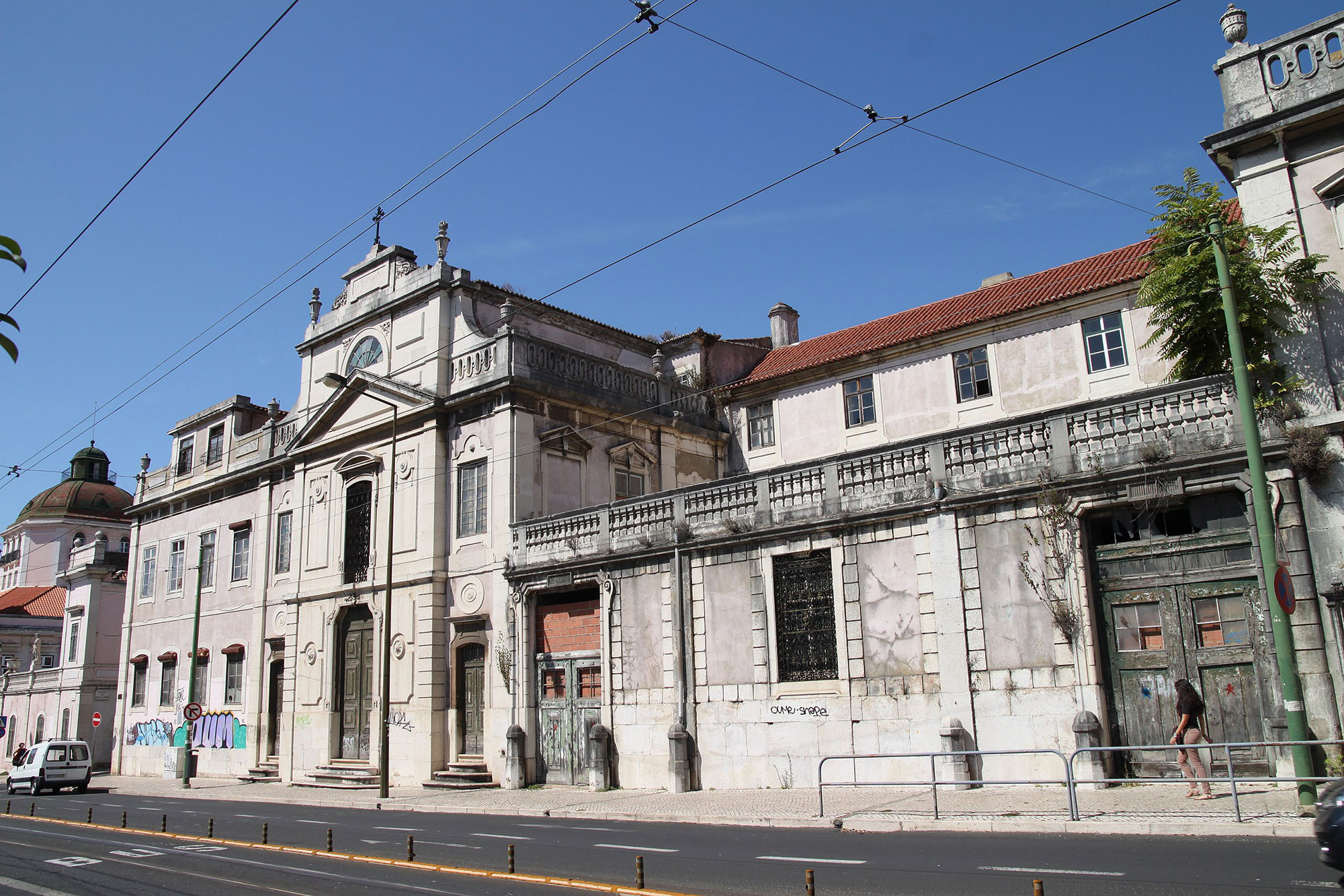
<p>From the deck of the steamer sailing towards Cascais, the nineteenth-century passenger glimpses the majestic line of the northern bank …
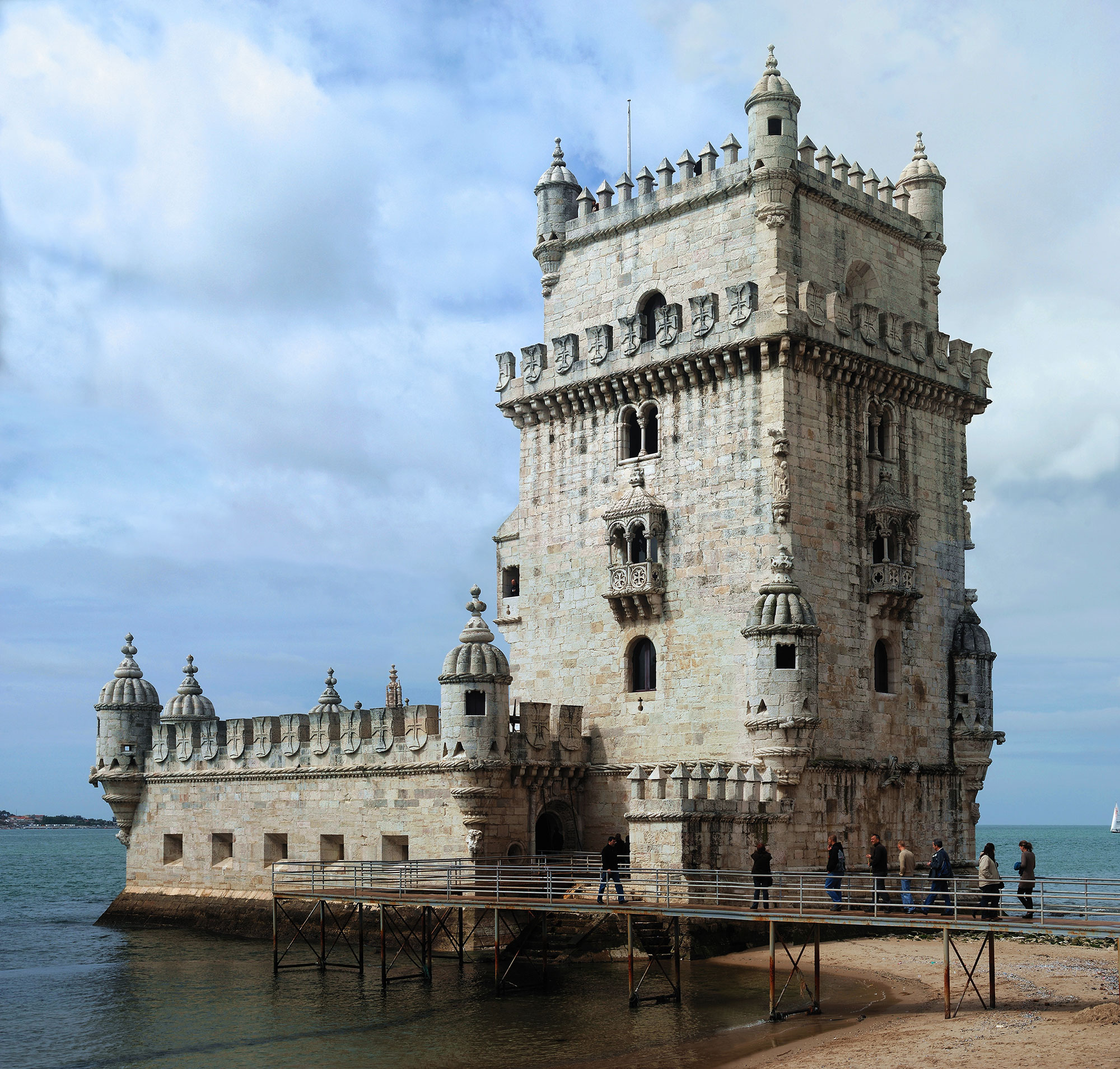
In Ramalho Ortigão's time, Belém lived a double identity: bathing beach and suburban extension of Lisbon, separated from the capital …

![Crónicas Portuenses [1859-1866]](/media/literature/works/covers/cronicas-portuenses.jpg)