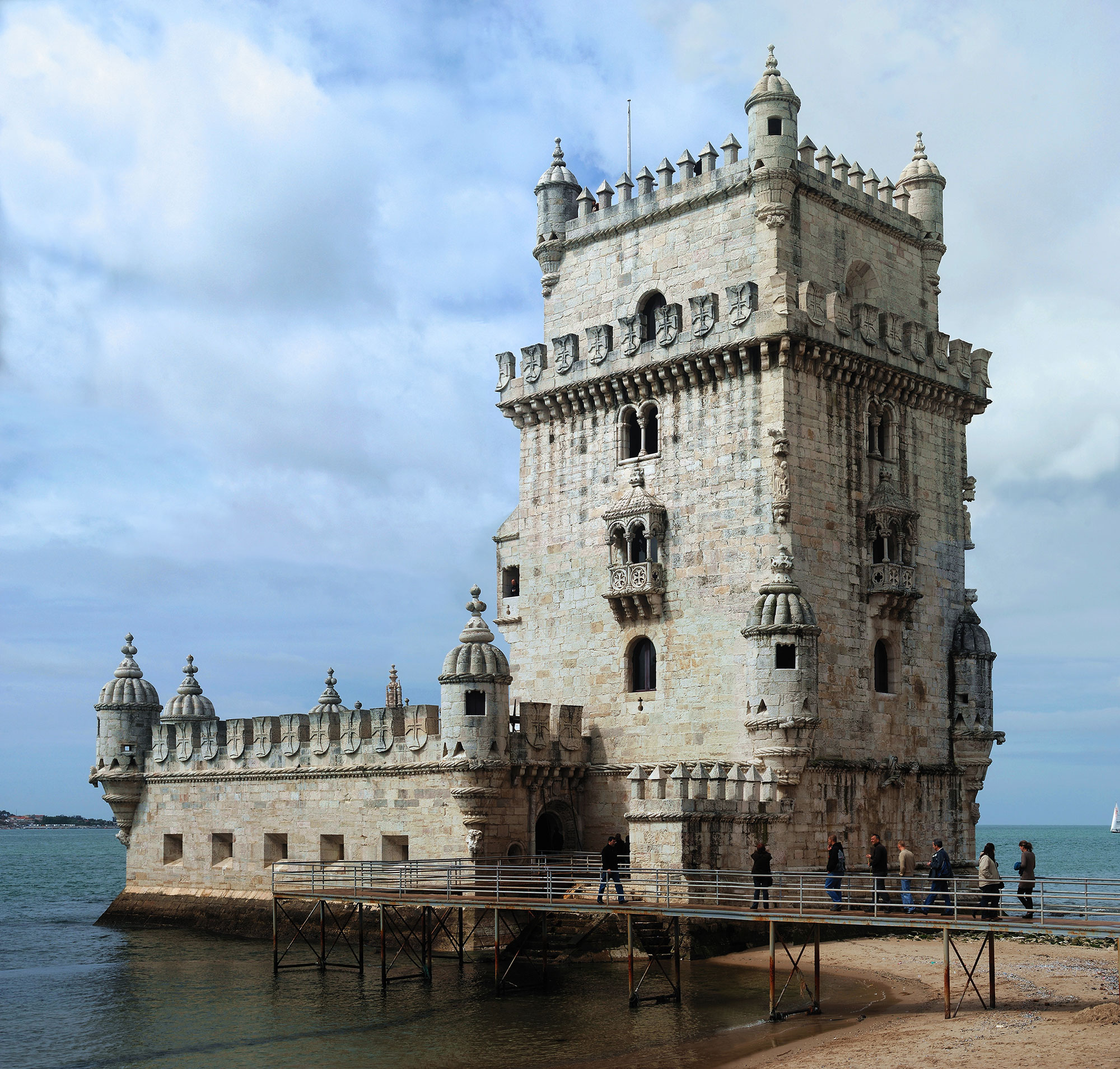
Sea bathing had been taken there since the beginning of the nineteenth century, first in the prestigious royal barge that anchored near the beach, then in pointed huts that gave the sandy beach o ar de um acampamento de ópera cómica(the air of a comic opera encampment). But Belém was above all the square of Jerónimos transformed into a fair, with three long rows: the first, next to the church, lined up trinkets, Caldas pottery and taverns where meninas de olhos sentimentais"girls with sentimental eyes) drank currant juice to the sound of a piano; the second was o orgulho da cozinha portuguesa(the pride of Portuguese cuisine), with popular gastronomy taverns presided over by celebrated Vatéls – Old Pinxa, Guilhermina, Vicente – serving the traditional queijadas da Sapa, egg sweets and rose liqueur.
The excerpt reveals how Belém embodies one of the central tensions ofAs Praias de Portugal: the oscillation between tradition and modernity, aristocracy and popularization. Ramalho observes with nostalgia the transformation of the old taverns into spaces where modernamente(modernly) aristocratic ice creams are sold, but simultaneously celebrates the authenticity of the national taverns and genuine cuisine. Proximity to Lisbon had made Belém accessible to the middle classes, causing the progressive abandonment of the beach by the aristocracy who sought more distant sandy shores. Belém ceased to be the primeira praia dos lisboetas (first beach of Lisboetas) to become a Sunday destination for the urban bourgeoisie, in a democratization of bathing leisure that the writer documents with ambivalence.
Today, the visitor to Belém no longer finds the bathing beach nor the fair in Jerónimos square, but the confectionery tradition remains in the famous pastéis de Belém and the multiple pastry shops that evoke the old queijadas da Sapa. Observing the monumental square with "Ramalho's eyes", one can imagine the three bustling rows, the piano in the taverns, the popular eating houses, and reflect on how urban spaces transition between functions: from aristocratic beach to popular fair, from bathing suburb to touristified heritage neighbourhood, always maintaining an ambiguous relationship between gastronomic tradition and commercial modernization.